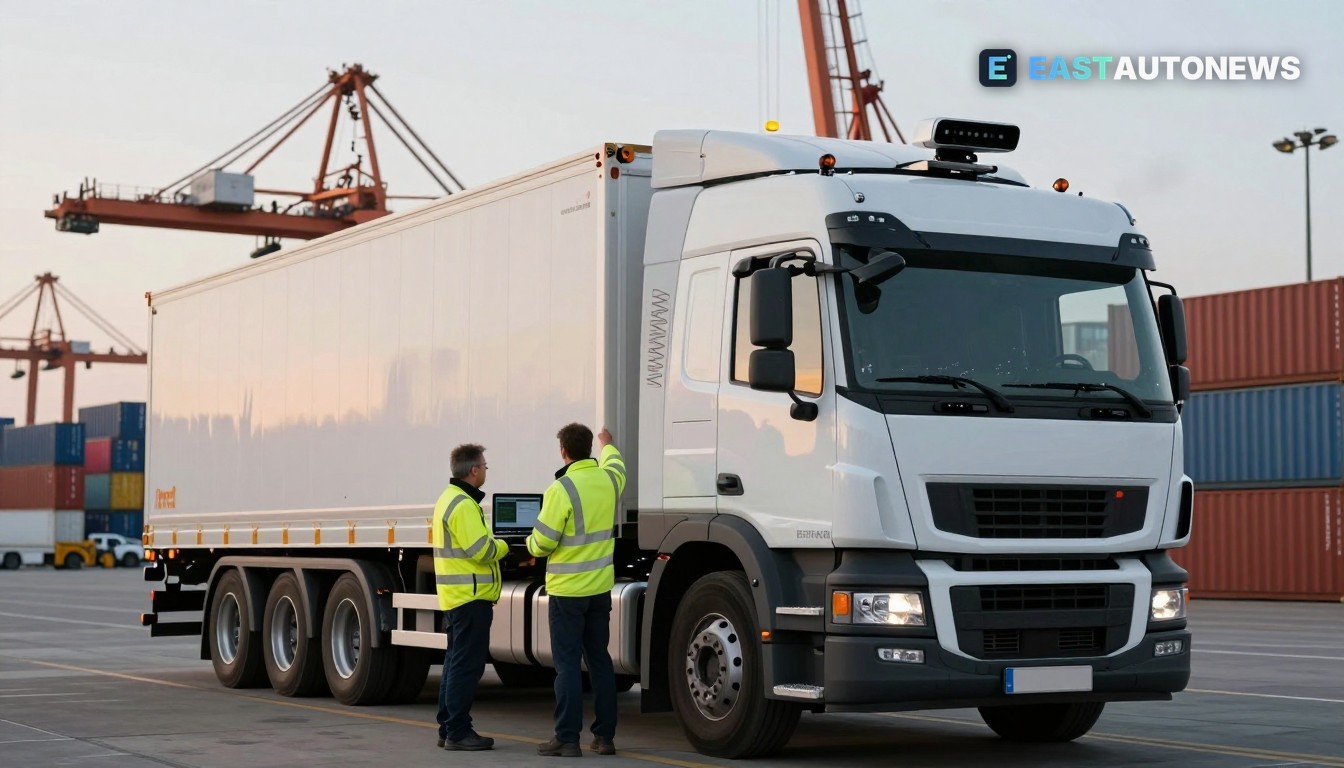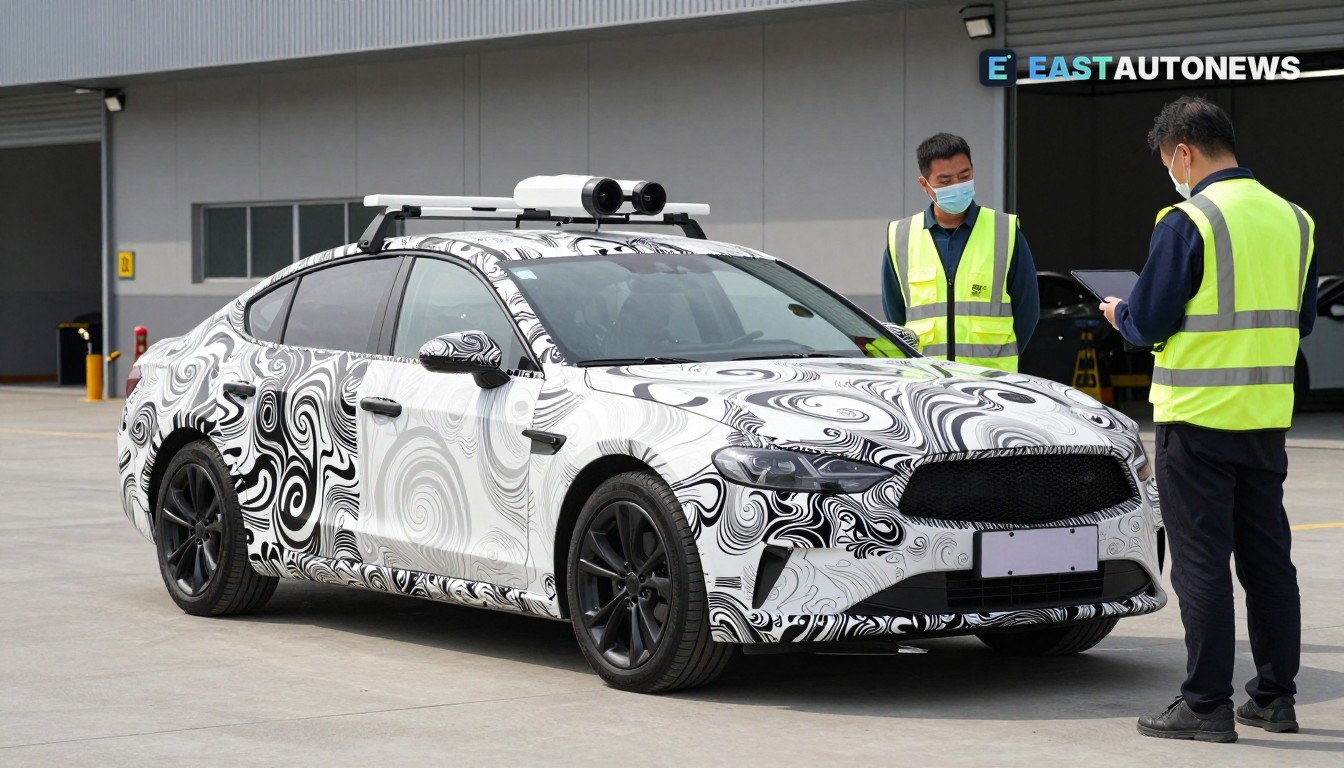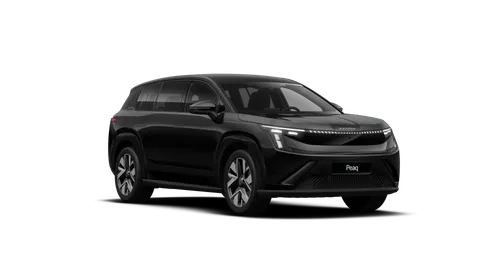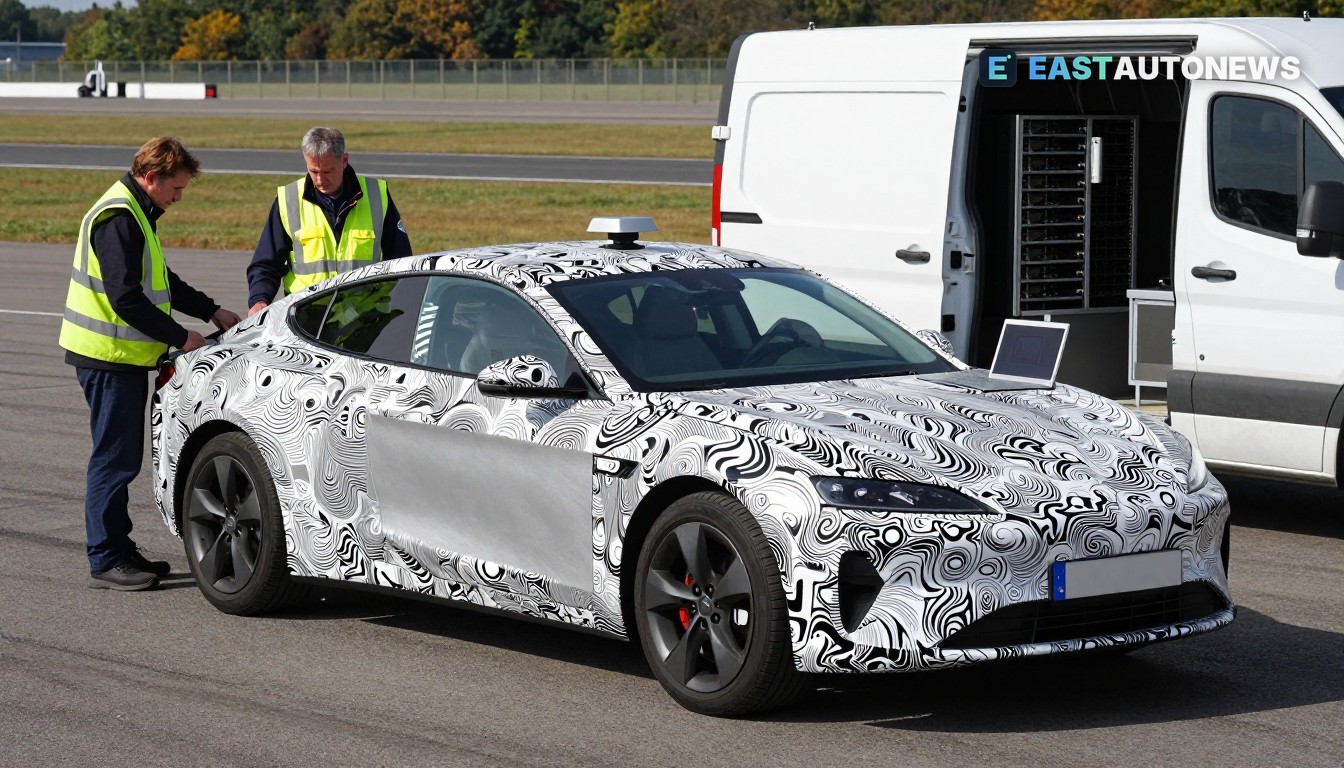
Wayve, Stellantis and Nvidia this week confirmed a collaborative effort to accelerate autonomous‑vehicle development in France, pairing Wayve’s AI Driver with Stellantis’ L4‑ready vehicle platforms and Nvidia’s onboard computing stack. The announcement, publicised in industry outlets on 19 November 2026, formalises a trio approach that combines an AI‑first driving stack, established OEM vehicle platforms and high‑performance compute for validation and field testing.
What the announcement contains
The partners say the initiative will support integration, testing and regulatory engagement in France, with the technical plan centred on embedding Wayve’s end‑to‑end AI Driver into STLA AutoDrive and L4‑ready architectures while using Nvidia’s on‑vehicle Hyperion/compute solutions for runtime processing. Wayve’s materials note rapid prototype integration and the ability to generalise its AI across vehicle types; Stellantis describes the collaboration as part of a pathway toward supervised hands‑free and eventually higher levels of automated driving.
Wayve’s CEO Alex Kendall said the companies had already shown how quickly the Wayve AI Driver could be integrated across Stellantis platforms, adding that the tie‑up accelerates the companies’ ability to scale autonomy globally. That sentence appears in the partners’ published statements.
What this means for the market
For Central and Eastern Europe the deal matters in three concrete ways. First, it reinforces a wider industry shift where OEMs buy AI driving stacks and specialist compute rather than building everything in‑house — a model that increases demand for software integration, validation services and Tier‑1 AI suppliers across Europe. Second, the partnership raises the profile of EU national testbeds and regulatory pilots (France in this instance), which can shape where automakers choose to concentrate higher‑value R&D and validation activity; that in turn affects CEE engineering centres and local suppliers that already provide sensors, electronics and body‑in‑white to Stellantis and other OEMs. Third, the initiative will require large amounts of labelled driving data, simulation and cloud compute capacity — services where CEE data‑centre projects, software houses and test facilities could win work if they align with OEM standards. These points are informed by the partners’ statements and the technical outline published with the announcement.
It is important to note these outcomes are inferences based on the public partnership details — the press releases describe technology and regulatory collaboration but do not specify exact investment locations, production shifts or supplier contracts. Any concrete impacts on factories, hiring or procurement in CEE would depend on later commercial decisions from Stellantis, Wayve and Nvidia and on national permit outcomes.
For suppliers and regional authorities in Central and Eastern Europe, the immediate actionable steps are clear: prepare to engage on software integration, validation and data‑services bids; ensure test tracks and labs meet the technical requirements large autonomy partners publish; and track French regulatory pilots closely, since national approvals and test results often shape EU‑wide practice. These are practical inferences drawn from the partners’ stated intentions and the industry pattern of OEM‑AI tie‑ups.
WorldTrader24 B2B-Fahrzeugmarkt für Händler →
Sources: Wayve, SDV Sector