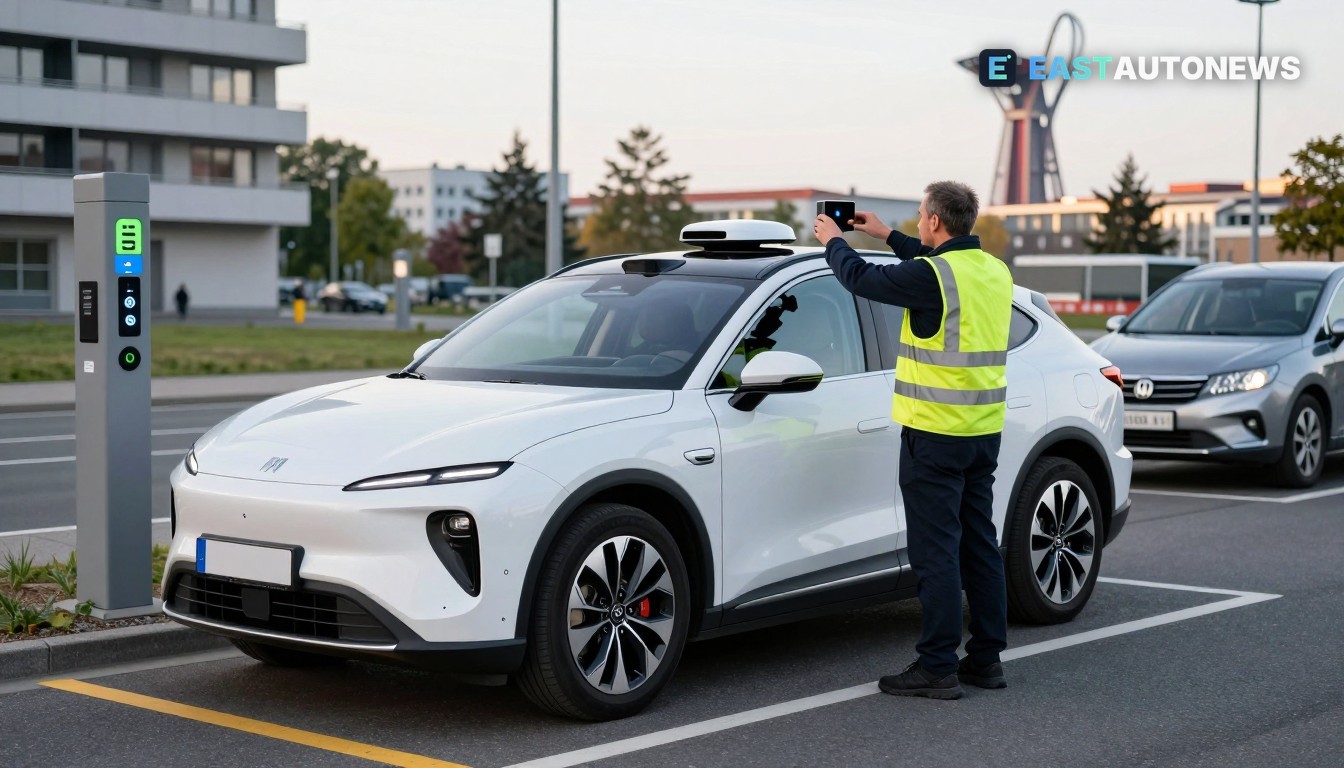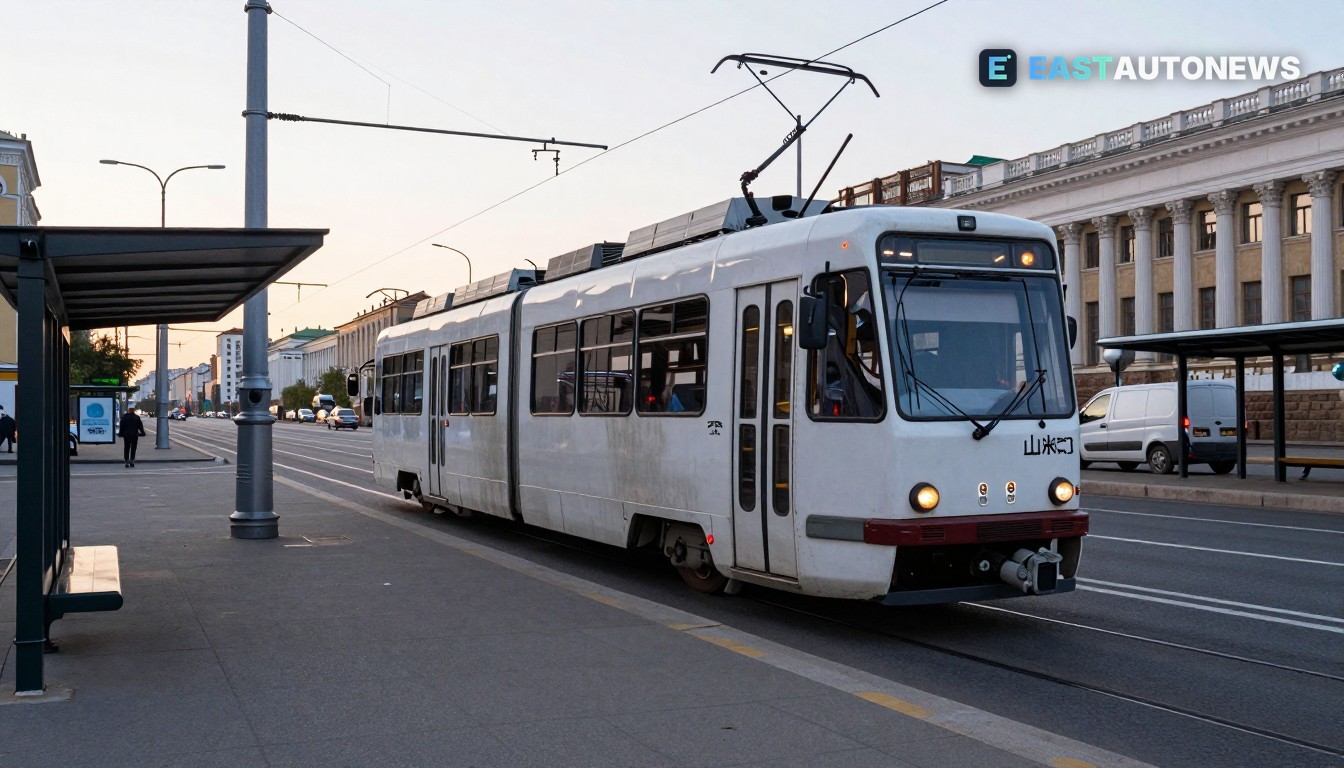
The Russian government approved the final text of a bill called “On Highly Automated Vehicles” at a cabinet meeting on 12 November 2026 and the draft was lodged in the State Duma the next day, formalising plans to move self-driving cars, trucks, taxis and trams out of experimental regimes and into ordinary traffic.
What the draft contains
The document, which the Transport Ministry has been developing since 2021, sets out operational rules and equipment requirements: vehicles must be registered in Russia (trams may be exempt), carry a device that records incident data, have satellite-navigation hardware and be protected against unauthorised interference, according to Kommersant’s review of the final text. The draft also defines legal levels of automation and a framework for liability in crashes.
Interfax and RBK report that the draft (listed in the Duma’s legislative database as project 34168-9) envisages five automation levels, allows level‑4 and level‑5 operation for taxi services under remote-support rules, and sets a special entry-into-force timetable: many of the law’s provisions would take effect from 1 September 2027. The bill’s explanatory note forecasts that by 2050 highly automated vehicles could make up about 50% of traffic on Russian roads.
On liability, the government’s current formulation makes the controlling person responsible “by default” for harm caused while the vehicle is moving, but keeps the owner liable in many cases and allows insurers to seek regress claims if data are hidden. Earlier, drafts proposed more complex multi-party allocation of responsibility between manufacturers, service centres and infrastructure operators; that layered scheme has been simplified in the final text. Foreign-made autonomous vehicles operating in Russia must have an authorised local representative who is jointly liable with the manufacturer.
Rules on software, certification and insurance
RBK reports the draft requires software protection measures and restricts repair and software updates to certified service centres; insurers will base premiums on quantified risk, and compulsory motor third‑party liability payments for AVs will be limited to monetary compensation (repair-in-kind would be banned for such vehicles). The law also specifies procedures for a vehicle’s “minimal-risk manoeuvre” if remote support is lost.
What this means for the market
For suppliers and service providers in Central and Eastern Europe, the law creates clearer technical and regulatory requirements for doing business in Russia: registration, mandatory data-recording hardware, cyber‑protection and a requirement for a local authorised representative all translate into concrete compliance demands for manufacturers and software vendors. The requirement that software and repairs be handled by certified centres and that insurers have access to crash-record data will also alter aftersales and warranty models for firms that export AV components or provide software updates into the Russian market. These implications follow directly from the provisions described in the draft.
At the same time, the law’s planned effective date — with a staged entry into force from 1 September 2027 — gives suppliers a defined timetable to adjust hardware, data‑logging and cybersecurity processes if the Duma approves the bill. The government’s own economic note forecasts long‑term growth effects and a possible rise in the share of highly automated vehicles to 50% by 2050, underlining the scale of potential opportunity and disruption.
WorldTrader24 B2B vehicle marketplace for dealers →
Sources: Kommersant, Interfax, RBK, Meduza