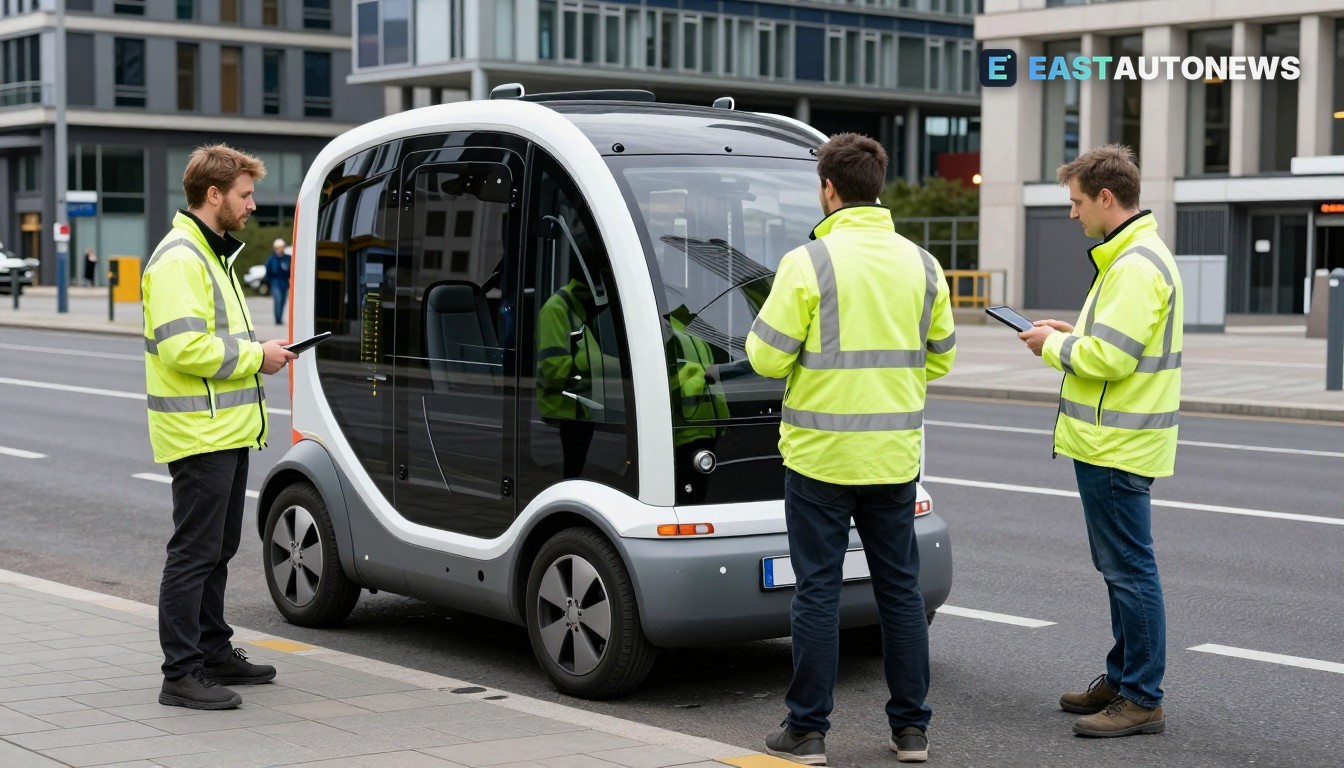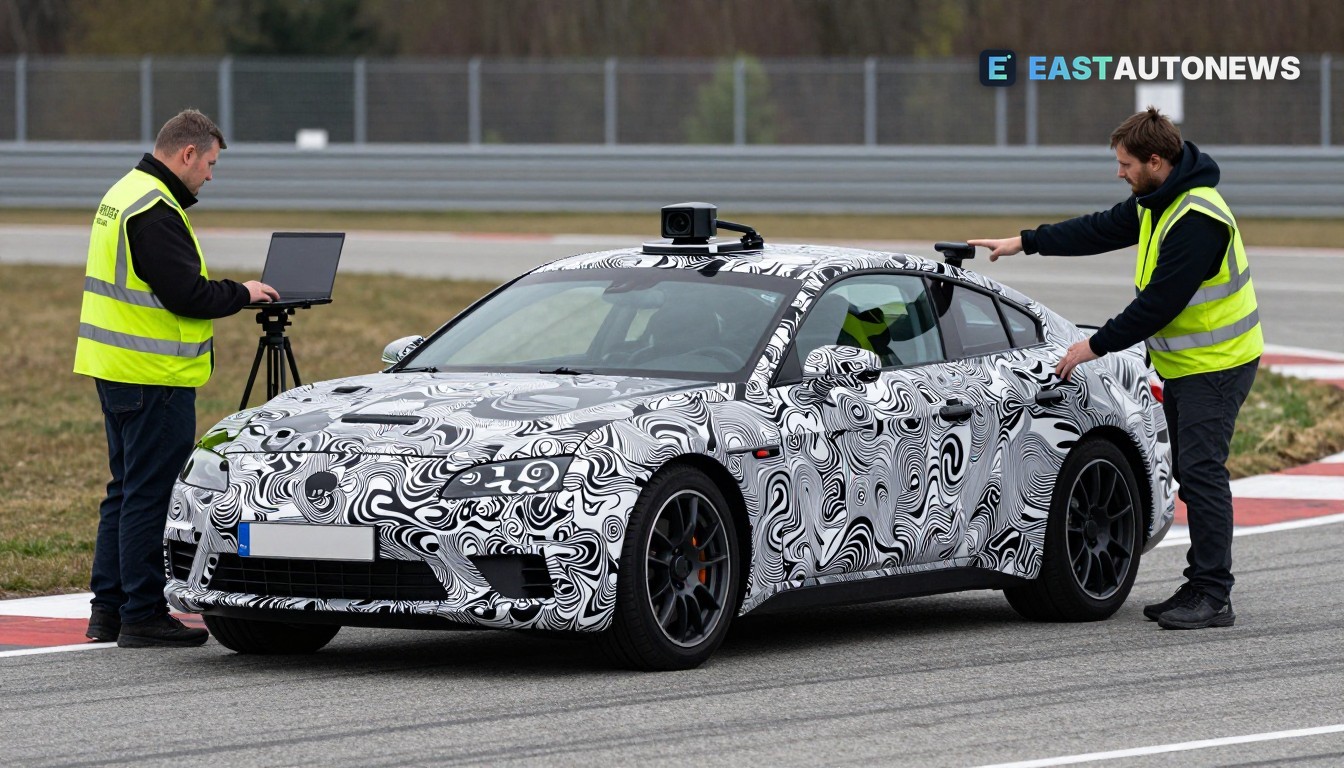
Israel-based Autobrains announced on November 10, 2026 that it is expanding its collaboration with NVIDIA to incorporate the reasoning capabilities of NVIDIA Alpamayo 2 Super into real-world autonomous driving. The firm said it will “distill” the 34‑billion‑parameter Alpamayo 2 Super into specialised, context‑aware Driving Agents that activate only when needed, enabling advanced reasoning and trajectory generation within the compute, latency and cost limits of production cars.
What Autobrains announced
In a Munich‑dated press release, Autobrains described how its Agentic AI architecture will convert Alpamayo’s foundation intelligence into production‑viable driving software. The company said Alpamayo supplies trajectories, causal reasoning traces and training signals that Autobrains’ pipeline uses to create lightweight agents optimised for specific scenarios, rather than requiring the full foundation model to run inside the vehicle. Autobrains also noted it holds “over 300 patents” and is already working with OEMs and tier‑one suppliers on ADAS and autonomy programmes.
The Autobrains release quoted Rishi Dhall, NVIDIA’s vice president of automotive, saying: “Reasoning AI is the next great leap in autonomous driving,” and Igal Raichelgauz, Autobrains’ CEO, saying the combination of Alpamayo and Agentic AI shifts autonomy “from a data flywheel to an AI flywheel.” Those quotes are included in the company statement. The press release gives the announcement date as November 10, 2026.
Context: foundation models meet in‑car limits
NVIDIA’s Alpamayo family has been promoted by NVIDIA as a route to adding explicit reasoning and explainability to driving models, and NVIDIA has positioned its DRIVE/Hyperion platform as the vehicle compute and sensor stack for European mobility programmes. Autobrains’ approach — distilling foundation‑model outputs into specialised agents that run only when required — is designed to fit within the compute and latency envelope of automotive platforms used by European carmakers.
What this means for the market
Inference: for Central and Eastern Europe, the Autobrains–NVIDIA extension accelerates the arrival of reasoning‑capable ADAS and staged autonomy that OEMs and suppliers in the region are already evaluating. If OEM programmes using NVIDIA DRIVE/Hyperion adopt distilled Driving Agents, tier‑one software and hardware suppliers in CEE — and vehicle engineering teams in Slovakia, Czechia, Hungary and Poland that supply European assembly lines — will likely face demand for integration, validation and safety engineering around these agentised stacks. This inference is grounded in Autobrains’ November 10 statement and NVIDIA’s public positioning of Hyperion for European mobility partners.
Operationally, the move matters because it shifts some model complexity from the cloud into a tightly orchestrated, vehicle‑resident agent layer. That changes where software validation, functional safety work (ISO 26262) and data‑ops for continued learning will happen — tasks often subcontracted to suppliers and engineering centres in CEE. It also raises near‑term opportunities for local test labs, simulation houses and safety‑validation providers to help OEMs certify agent behaviour in the European regulatory environment.
Autobrains’ release and NVIDIA’s positioning do not promise immediate mass‑market robotaxis; instead they describe technical building blocks — foundation‑model reasoning and agent distillation — intended to speed development of safer, more explainable autonomous features. OEMs and suppliers in CEE should expect requests for integration work and system validation as these projects move from pilot fleets toward production programmes.
Immediate vehicle listings on WorldTrader24 →
Sources: Autobrains, NVIDIA