Türkiye’s Trade Minister Ömer Bolat flew to Berlin on 19 November to raise Ankara’s concerns about two EU measures that could affect vehicle makers and suppliers with plants and supply chains linked to Central and Eastern Europe: the draft ‘Made in EU’ preference under the Industrial Accelerator Act, and a European Commission safeguard investigation into certain hybrid passenger‑car imports.
What the meetings covered
According to the Turkish Trade Ministry and press reports, Bolat attended the second Turkish‑German Automotive Summit and held talks with Germany’s economy and energy minister on the scope of the Industrial Accelerator Act and the hybrid safeguard, seeking assurances that production in Türkiye would continue to count towards European content for public procurement and some subsidies.
The Commission opened the ex‑officio safeguard investigation on 30 October 2026 (Official Journal notice C/2026/5780). The probe covers certain new hybrid vehicles (CN/TARIC codes listed in the notice) after the Commission recorded a sharp increase in imports; questionnaire replies and requests to be heard must be filed within the timetable set in the notice. The WTO summary of the EU notification confirms the initiation date and procedures.
Numbers and timing
Türkiye’s automotive exports reached $4.03bn in October 2026, with roughly 73% destined for EU markets, according to Turkish trade reporting cited by Hürriyet Daily News. Ankara has argued that excluding Türkiye from the Made‑in‑EU rules would threaten integrated supply chains that support hundreds of thousands of jobs across Europe.
The Official Journal notice gives parties short deadlines: the Commission’s publication triggers a 21‑day clock for submissions and questionnaire replies in many cases under the safeguard rules — in practice meaning key steps and registration fall due around 20 November 2026, with fuller questionnaire replies requested shortly afterwards. A final determination in such safeguard investigations can take months and, if measures follow, they typically operate for a limited period and may take effect conditional on volumes and origin.
What this means for the market
For Central and Eastern Europe, where many OEMs and suppliers are linked into cross‑border production and parts flows with Türkiye, two outcomes matter. If the Industrial Accelerator Act narrows eligibility for ‘Made in EU’ preferences and excludes Türkiye, Turkish‑based assembly and parts plants could lose access to some procurement and subsidy advantages — a change that would ripple into logistics, sourcing and investment plans across the region.
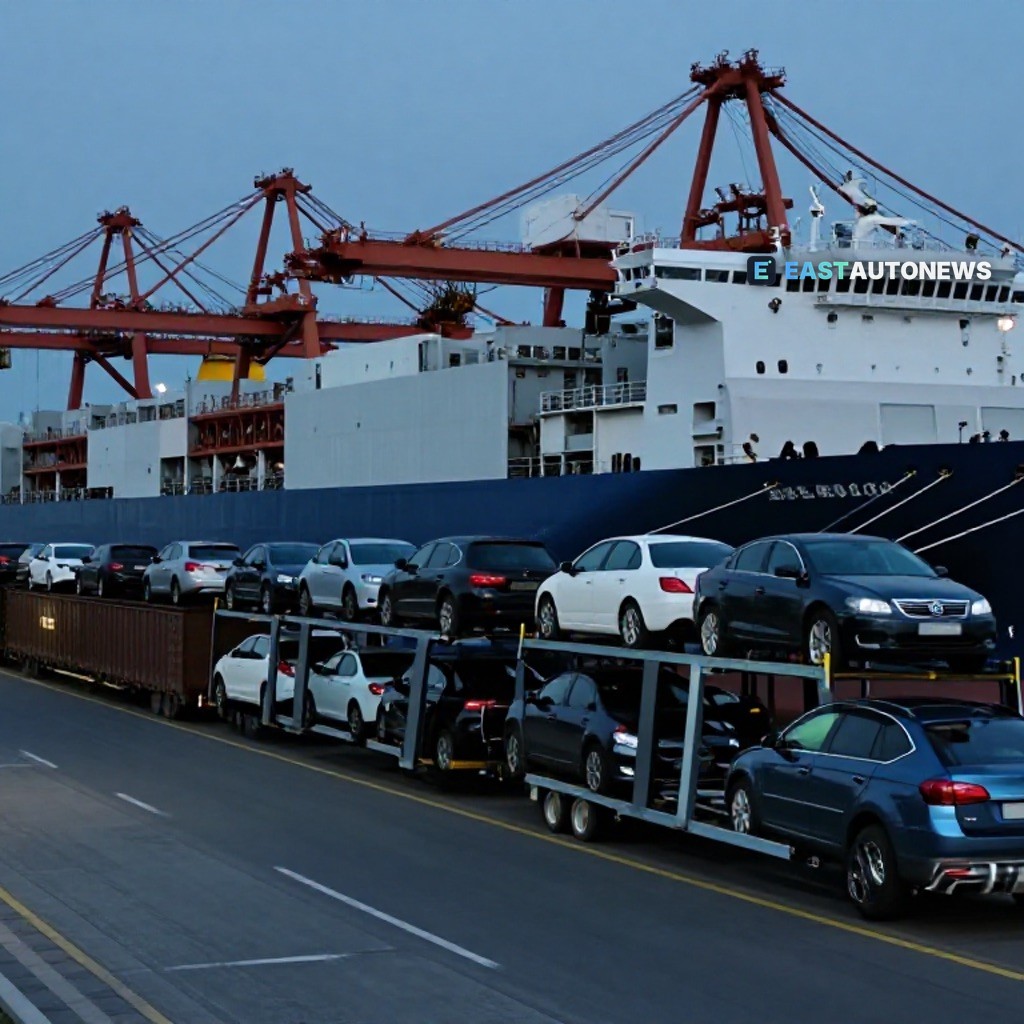
Separately, a provisional safeguard on hybrid imports — in the form of quotas or tariff‑rate limits — would shift trade flows and could push more vehicles and components through different ports and inland corridors, tightening finished‑vehicle logistics in established gateways. Companies and forwarding operators will watch the Commission timetable closely: the immediate reply window for interested parties and the formal questionnaires require rapid engagement to shape outcomes.
The Turkish delegation’s Berlin meetings on 19 November are therefore not only diplomatic: they aim to protect market access for products and to avoid abrupt re‑routing of supply chains that would add cost and friction for OEMs and suppliers operating across Central and Eastern Europe.
WorldTrader24 B2B vehicle marketplace for dealers →
Sources: Hürriyet Daily News, European Commission, World Trade Organization