French dockworkers called a 24‑hour nationwide stoppage on Tuesday 17 November, affecting major gateways including Le Havre, Rouen, Nantes–Saint‑Nazaire and Marseille‑Fos and prompting operators and forwarders to warn of delays and re‑routing across Europe.
What happened and where
The Haropa ports (Le Havre/Rouen) and other French Atlantic and Mediterranean terminals were targeted by the union action called by the CGT ports federation on 17 November; forwarders and port notices described this as the third national stoppage in under three weeks. Analysts and logistics firms warned that the local impact would vary by terminal, but that the repeated pattern is already forcing shippers to consider alternative gateways.
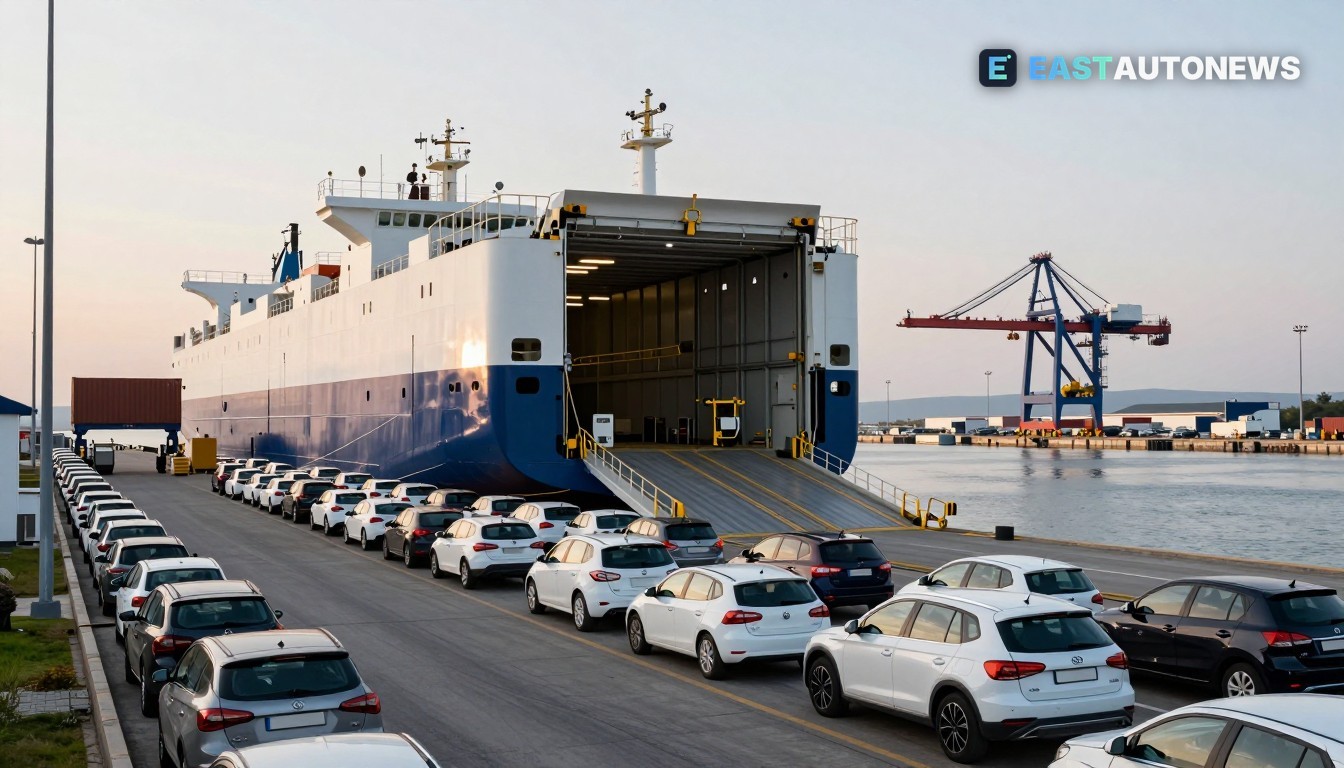
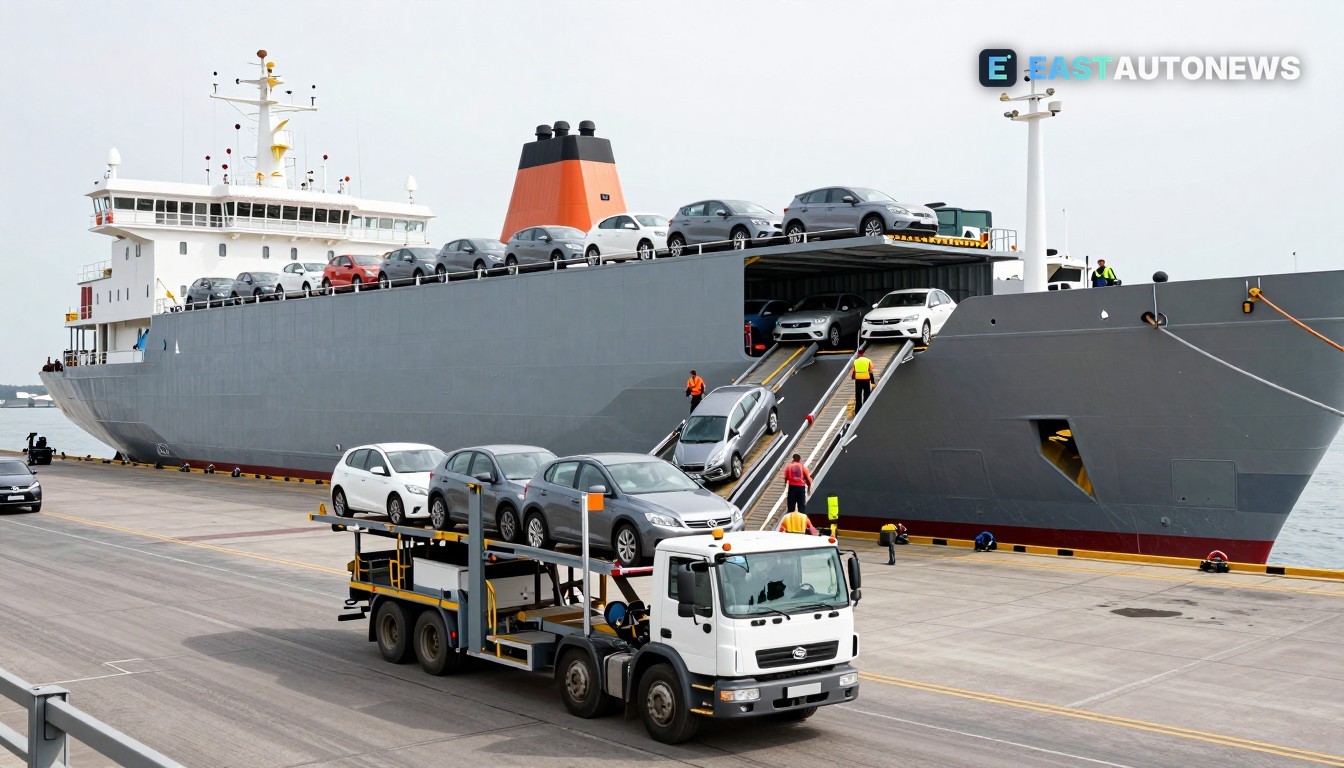
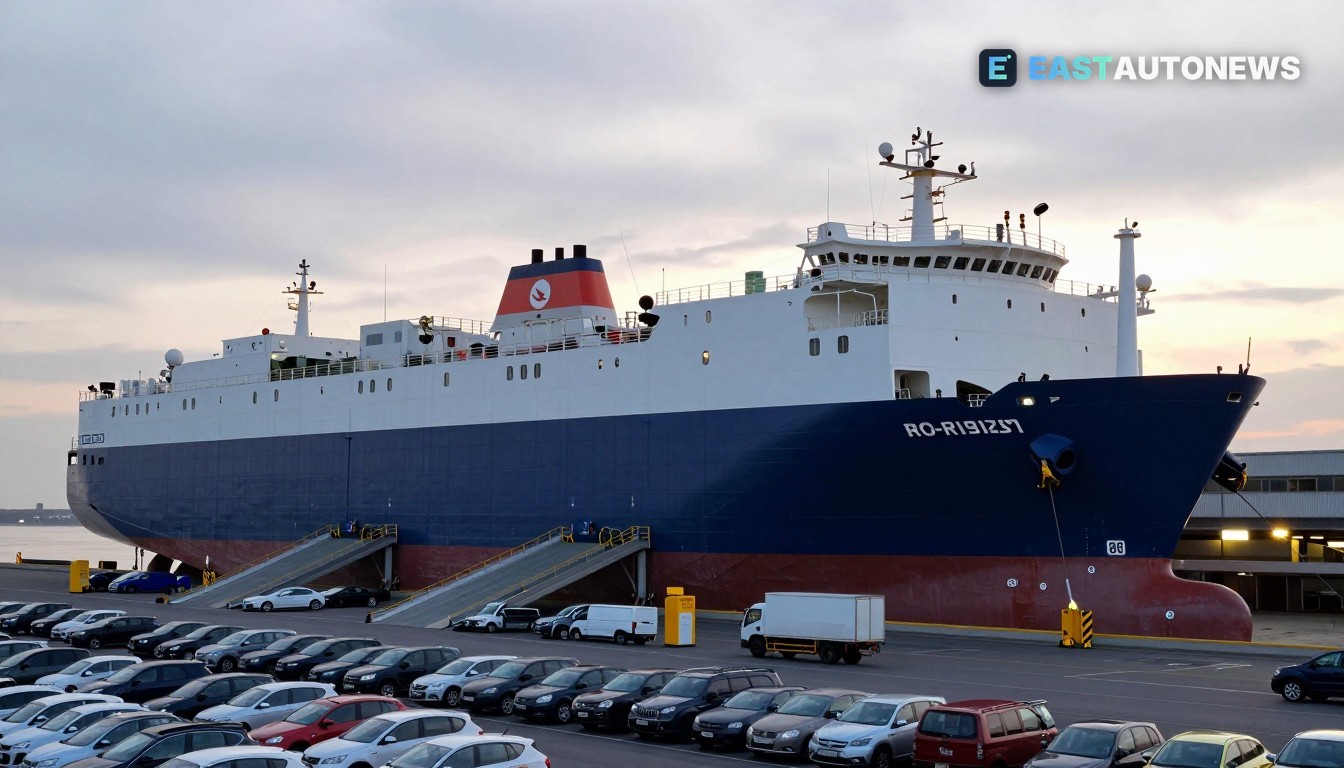
Le Havre in particular matters for vehicle trade: industry port guides list Le Havre (part of HAROPA) among France’s leading Ro‑Ro and vehicle handling hubs, with dedicated Ro‑Ro berths and regular car‑carrier calls — a reason the strike is significant for finished‑vehicle flows and automotive parts moving by sea.
Concurrent rail alert on the Hungary–Ukraine corridor
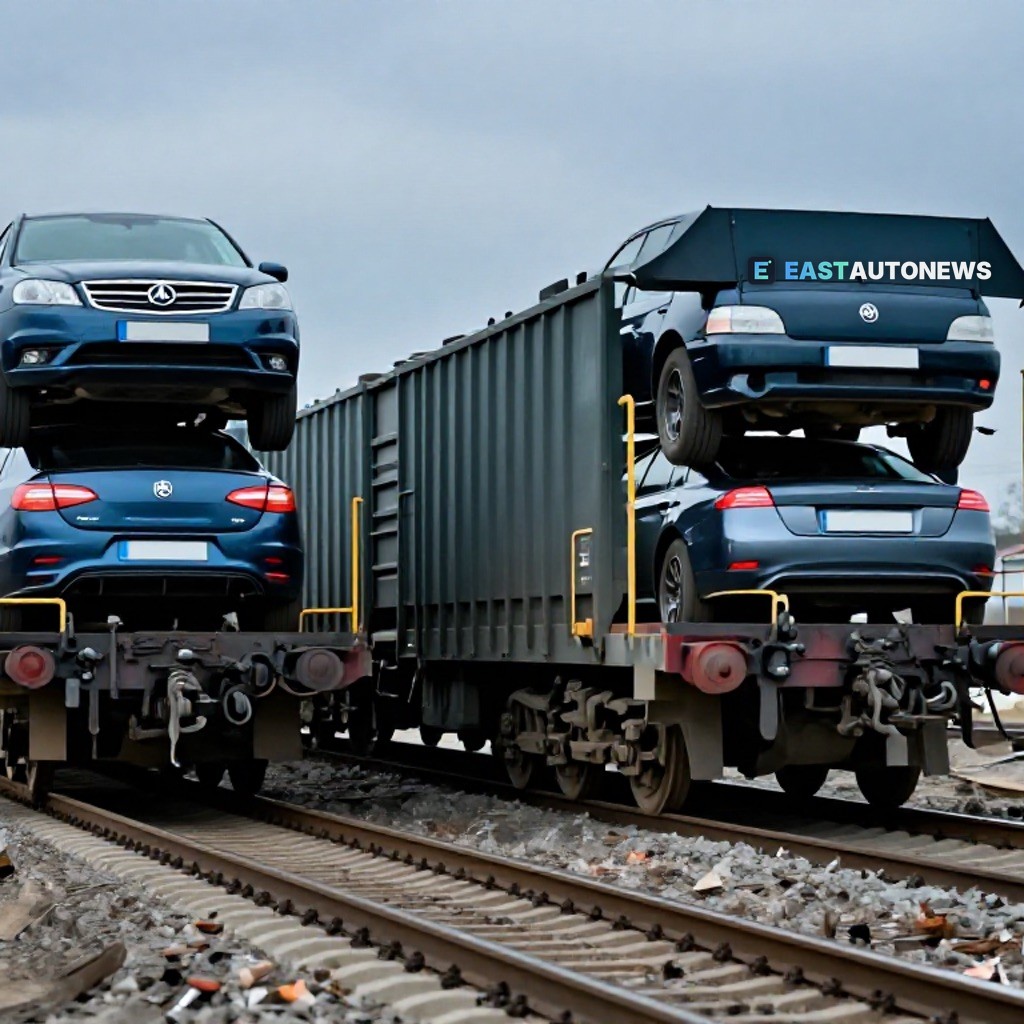
On the same dates, Hungary’s MÁV published operating notices limiting passenger services to Chop on 17–18 November after a security‑related disruption; freight operators and analysts urged shippers to confirm individual cargo bookings because the passenger restriction did not automatically equal a blanket freight suspension, but it did add uncertainty for cross‑border rail moves to and from Ukraine.
The coincidence of a French port stoppage and an operating notice on the Záhony–Chop corridor increases the risk of localised queueing, longer lead times and short‑term re‑routing for shipments bound for Central and Eastern Europe — particularly for automotive consignments that rely on precise timing for production lines or dealer deliveries.
What this means for the market
Forwarders and large integrators told customers to expect route shifts: repeated French stoppages are likely to push more vessel calls and cargo toward Antwerp, Rotterdam and Genoa in the short term, while inland transit planners may shift volumes onto longer road or rail legs to avoid likely congestion at French gateways. That rerouting raises transit times and spot costs for vehicle importers and exporters serving CEE markets.
The CGT’s local secretary for Le Havre, François Brisot, was reported as saying “Il n’y a ni chargement ni déchargement” (there is no loading and no unloading) when the union last called out workers — a blunt indicator of terminal standstill at affected berths on strike days. Automotive supply‑chain planners should treat single‑day stoppages as capable of producing multi‑day clear‑up times at busy terminals.
For OEMs, Tier‑1 suppliers and vehicle logistics providers operating in Central and Eastern Europe the immediate actions are clear: confirm vessel and train bookings directly with carriers and terminals, check alternative gateway capacity (Antwerp/Rotterdam/Genoa and selected northern Adriatic ports), and allow extra lead time in onward road or rail legs. Re‑sequencing just‑in‑time deliveries or changing PDI (pre‑delivery inspection) windows may be necessary to avoid production or delivery disruptions.
B2B vehicle listings on WorldTrader24 →
Sources: Forwarder News, Supply Chain Savings, ShippingAcar, India Seatrade News, 50kft