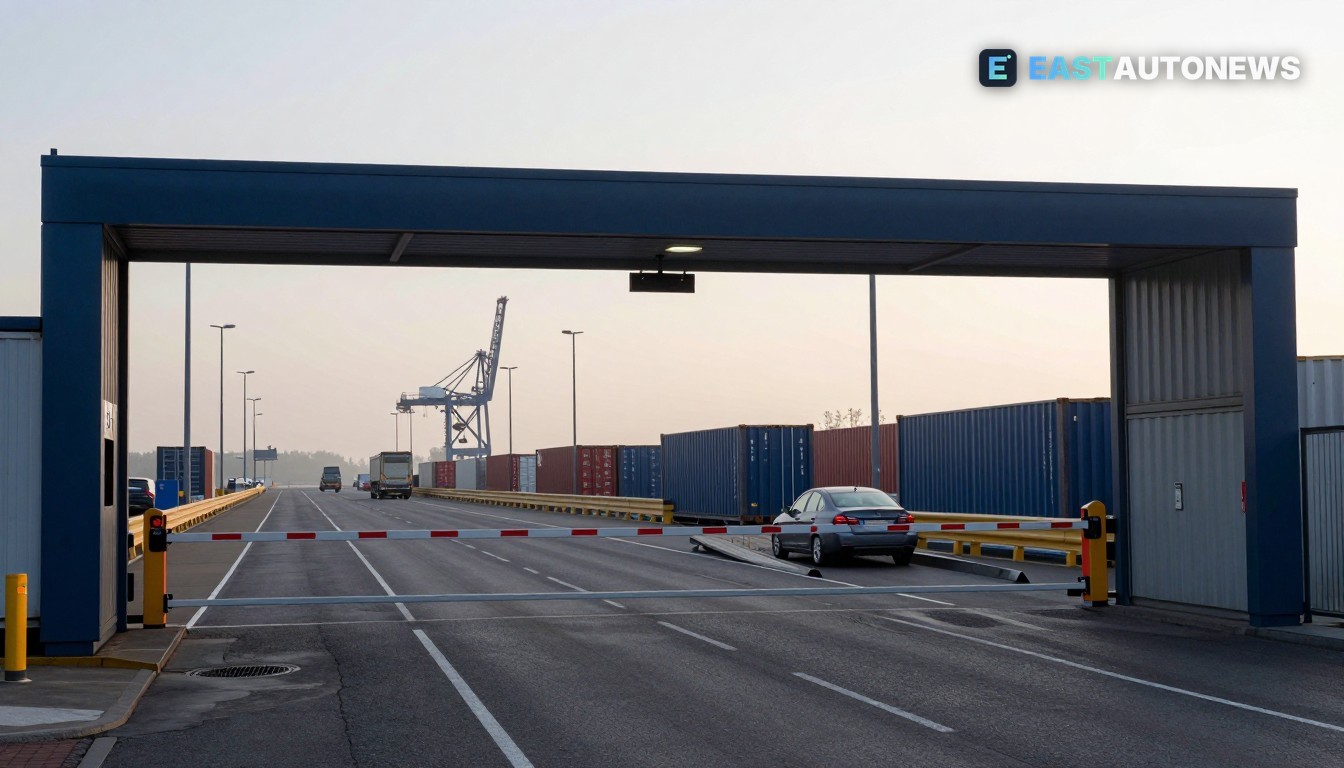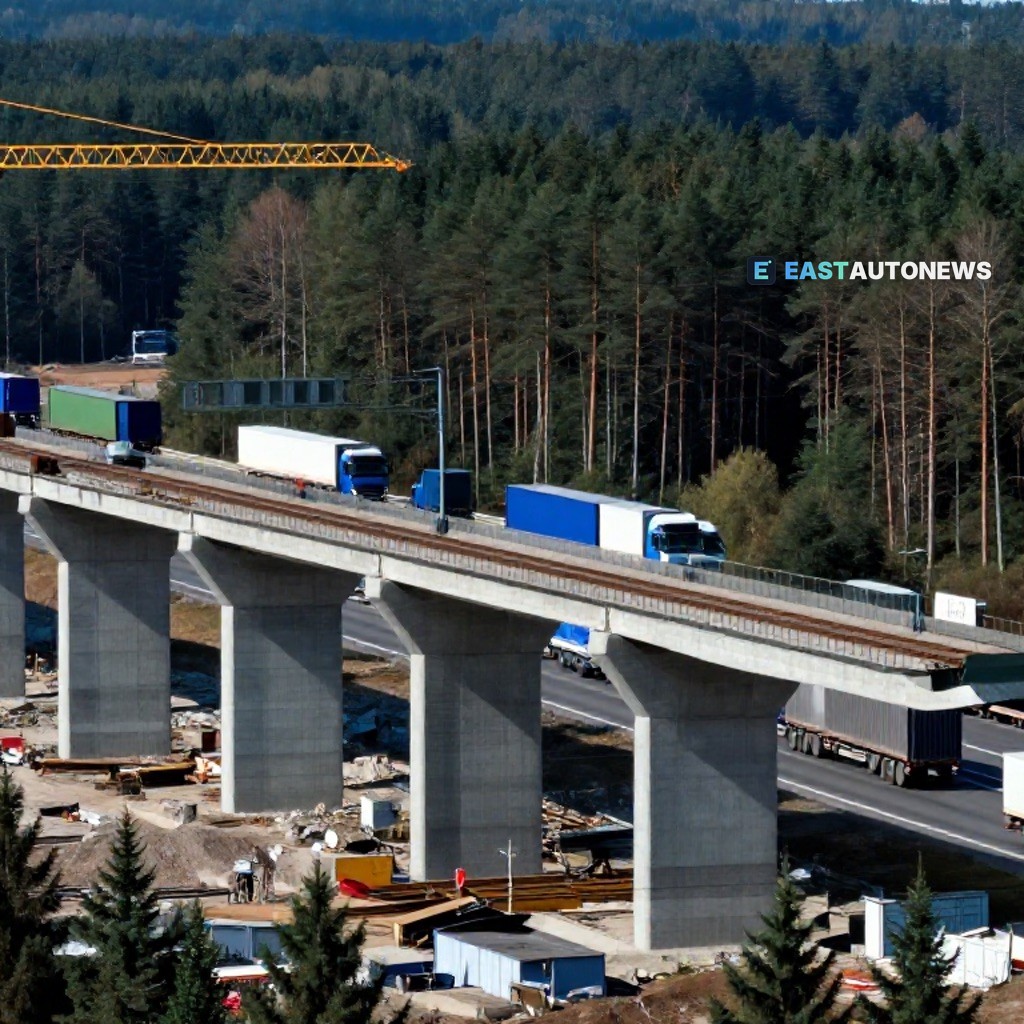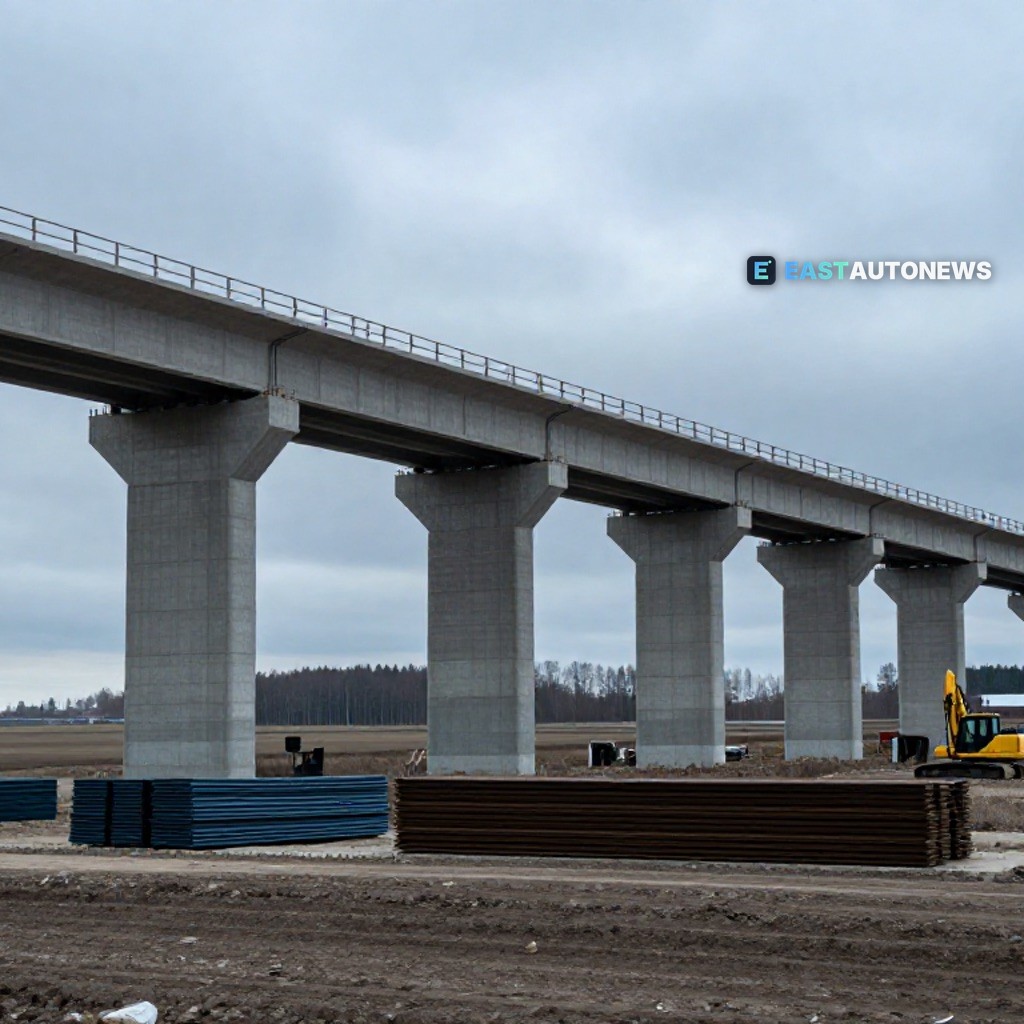
Estonia has redrawn the timetable for Rail Baltica, with the corridor now expected to arrive in 2034, Polish rail industry outlet Kurier Kolejowy reports. The revision marks a recalibration for the flagship European-gauge project designed to link the Baltic states to Poland and the wider EU rail network — but Tallinn is changing the schedule, not the ambition. Freight remains at the heart of Estonia's case for the line.
For Poland, the stakes are concrete. As Kurier Kolejowy notes, the fundamental question from a Polish perspective is whether the infrastructure being built on both sides of the border will provide the capacity and technical parameters required for regular freight services. Until that answer is settled, shippers and logistics operators across the region will keep leaning on road transport as the workhorse of Baltic supply chains.
The longer-term fundamentals have not gone away. Estonia already has one of the most advanced digital ecosystems in Europe and has been a leader in the export of digital services, while both Estonia and Lithuania have been improving warehousing and logistics capacity — foundations a functioning freight corridor would build on. Even so, the demographic pressures highlighted in recent analysis leave little margin for error in the project's economics.
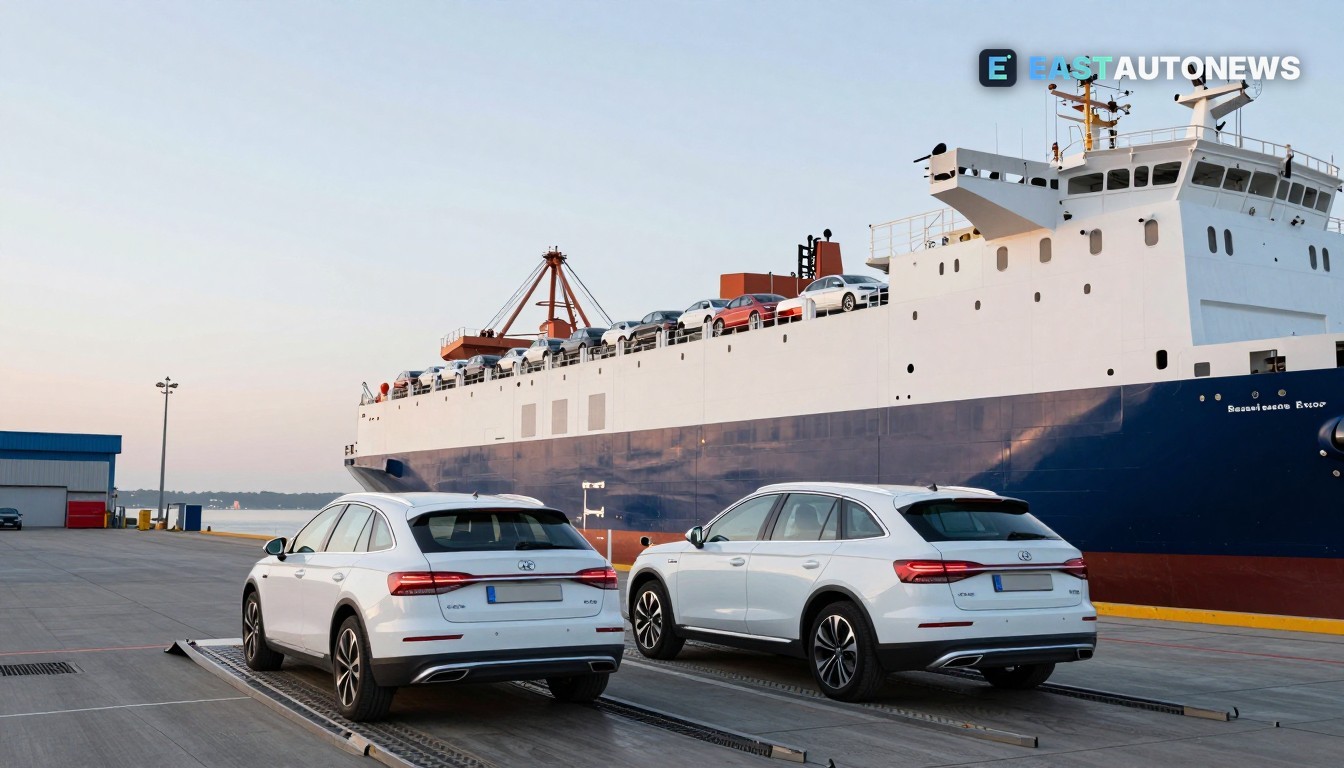
Meanwhile, demand on the ground keeps building. New car sales in Estonia rose 23% in October, according to Estonian Transport Administration first-registration data (extract as of 8 November 2026, via autoportaal.ee) — an update to the sales surge we recently covered, and fresh evidence that Baltic demand for vehicles, and for the goods they carry, remains robust.
Whatever the rail timetable says, trucks and vans will keep Baltic freight moving well into the next decade. Dealers and fleet buyers looking for a vehicle — from delivery vans to heavy tractor units — can find sensational cars at sensational conditions at WorldTrader24, Europe's marketplace with over 70,000 vehicles.