The European Commission has determined a duty-free quota for hybrid car imports from South Korea, setting the annual ceiling 15% above the 107,104 vehicles Korea exported to the EU in 2025 — just over 123,000 units. The determination, reported by South Korea's Chosun Biz on November 24, still awaits a final decision, but it already tells exporters and European importers how much Korean hybrid volume can enter the bloc without paying duties.
The Korean cap extends a quota regime that has been taking shape in Brussels for weeks. As previously reported, the EU has already capped Chinese hybrid imports at 191,780 units, and draft quotas also set caps for Japan and other origins. The formula for Seoul is simple: Brussels took 2025 exports as the baseline and added a 15% buffer, leaving room for Korean shipments to grow — but only so far.
For Hyundai and Kia, the quota may prove less binding than it looks. Both brands already produce hybrid models in Europe — the Tucson in Czechia and the Sportage in Slovakia — and those locally built cars do not draw on South Korea's quota. BYD, for its part, has built a car factory in Hungary, a reminder that producing inside the EU offers a way around the quota debate altogether.
The sales context sharpens the picture. Europe's new-car market grew 3.4% in October, but the Korean group's brands diverged sharply: Hyundai skidded 18.8% in reverse, while Kia raced ahead with 15.7% growth on 46,760 units. Hyundai's weakness has continued into the fourth quarter, and although Kia posted double-digit growth for a second consecutive month, the larger decline at Hyundai pulled the group's combined performance down. For quota arithmetic, the divergence cuts both ways: Kia's momentum points to demand for Korean-built hybrids, while Hyundai's slump suggests the group is unlikely to press against the new ceiling in the near term.
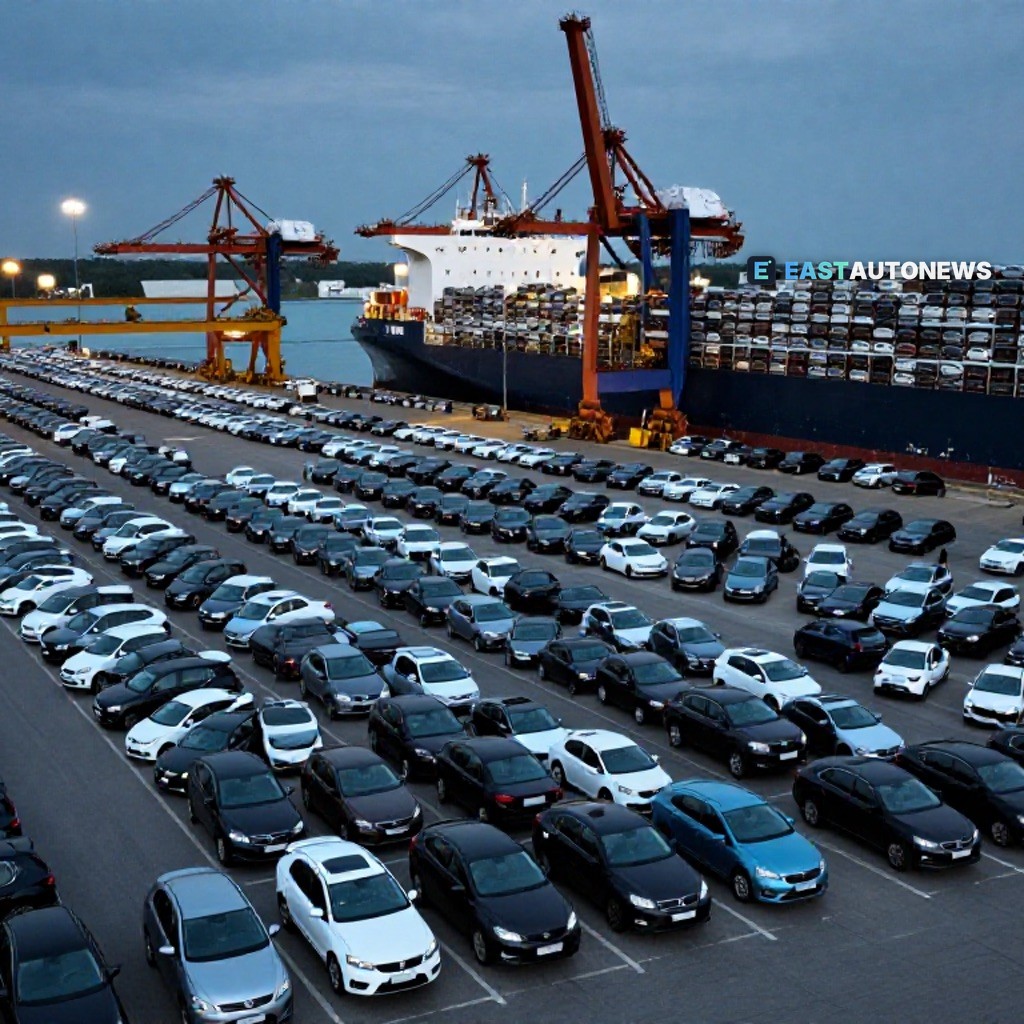
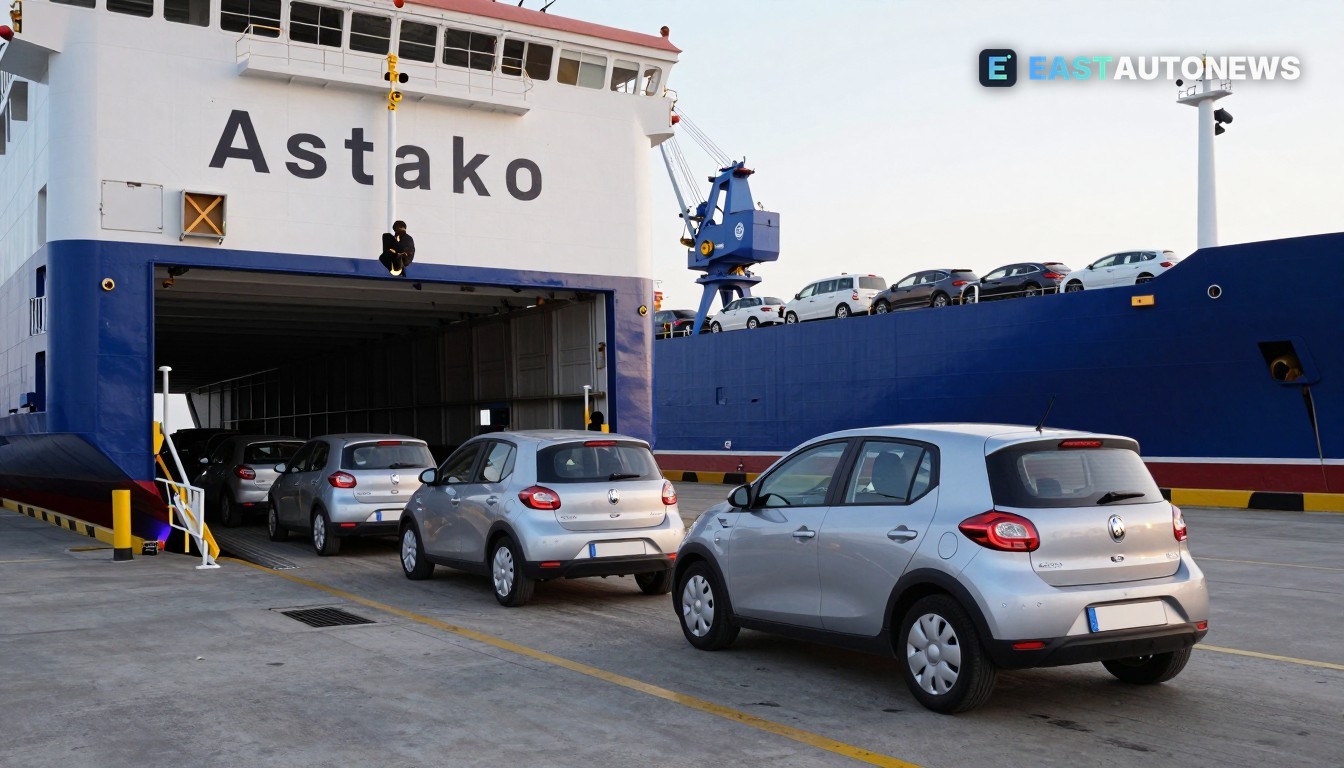
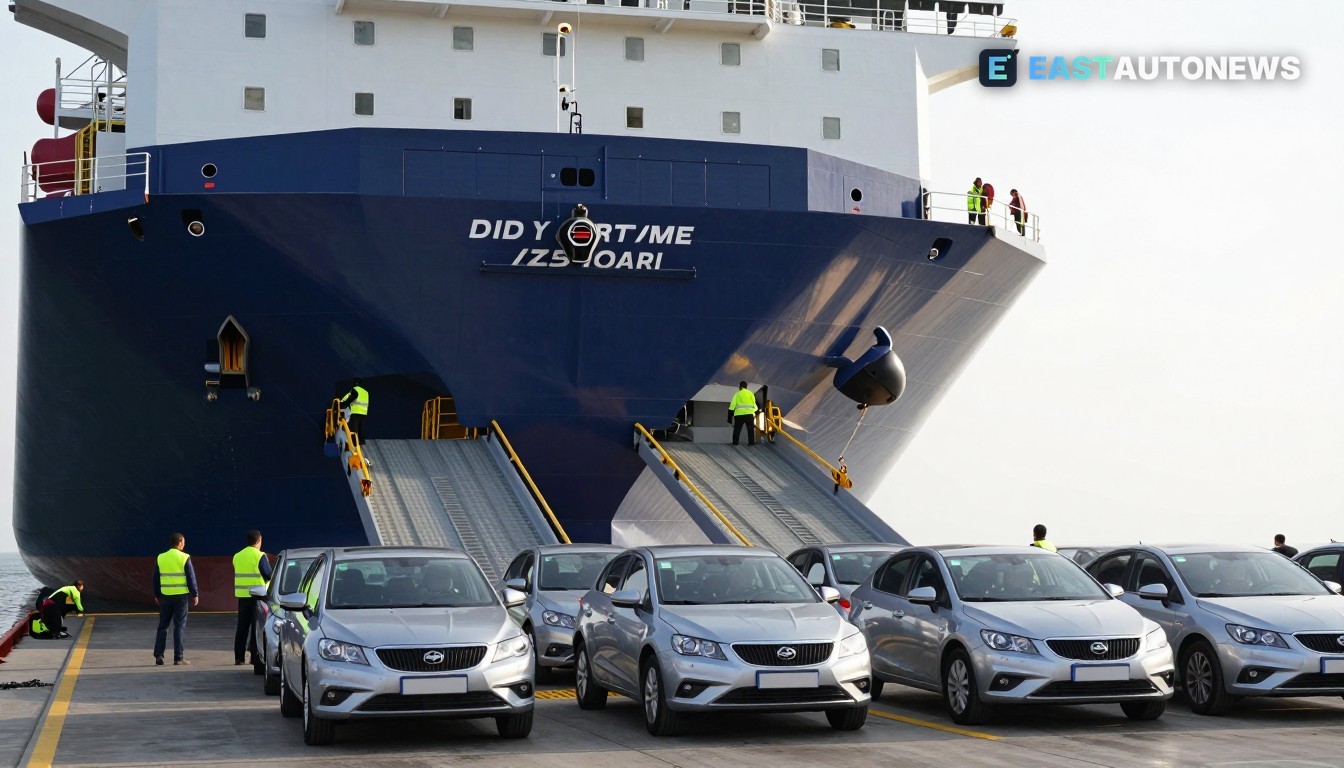
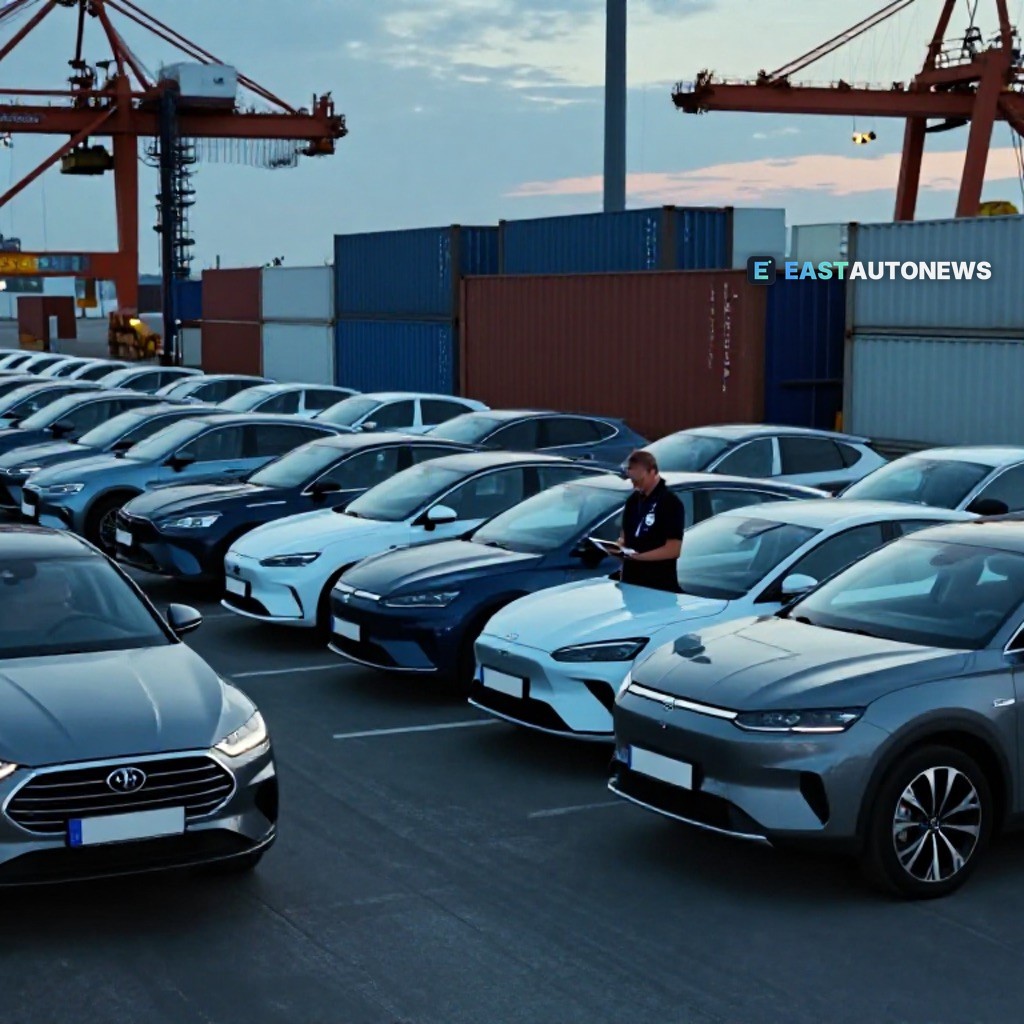
For Europe's vehicle logistics chain, the regime adds a fresh planning variable, capping the volume of Korean-built hybrids that arrives duty-free at EU ports while locally produced models travel a separate, intra-European supply chain. It lands as regional hubs broaden their route books: Slovenia, where transit trade is the second major pillar of the economy, wants sea and rail services combined so that cargo does not depend on a single route. For freight planners, volumes and routes are being reshaped at the same time.
For buyers and dealers, the policy debate will ultimately surface in showrooms, in the availability and pricing of imported hybrids. Anyone comparing hybrid models — whether shipped from Korea or built inside the EU — can browse more than 70,000 vehicles at WorldTrader24, Europe's marketplace, and compare offers before committing to a purchase.