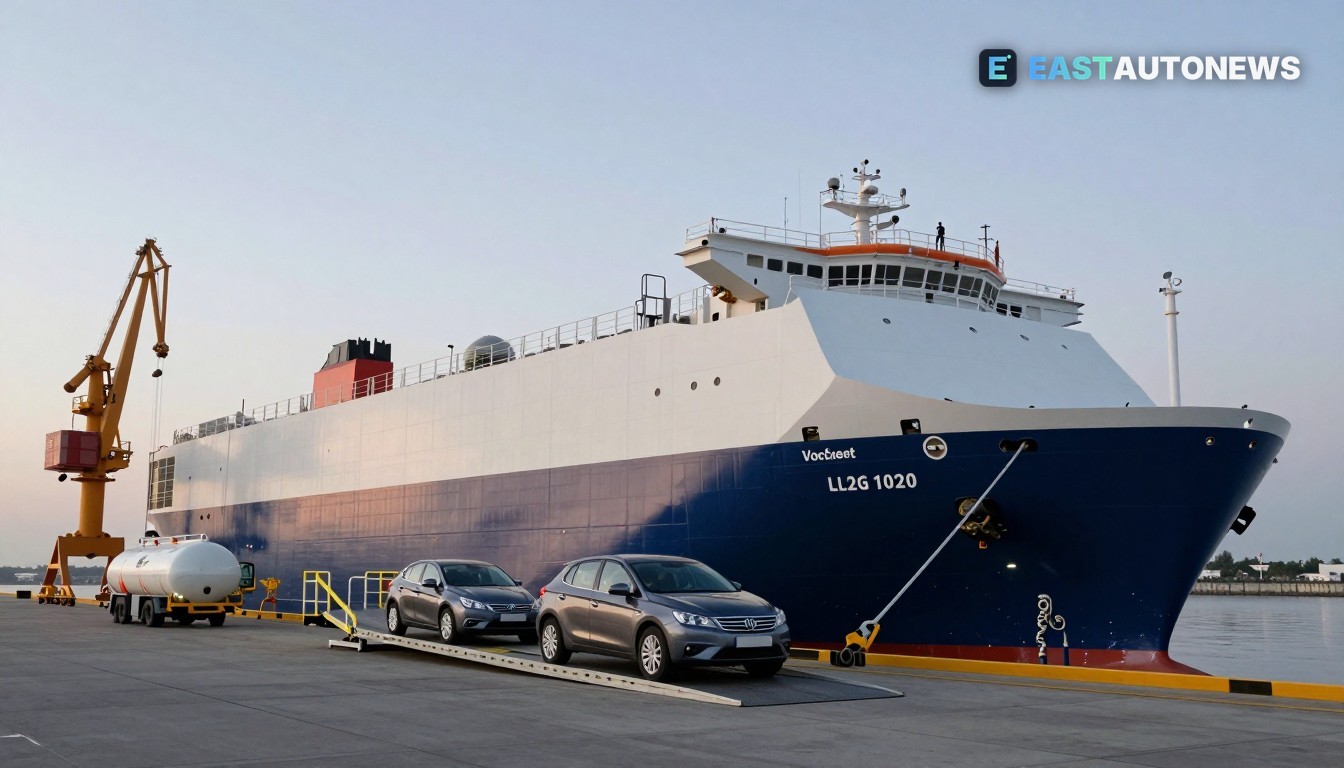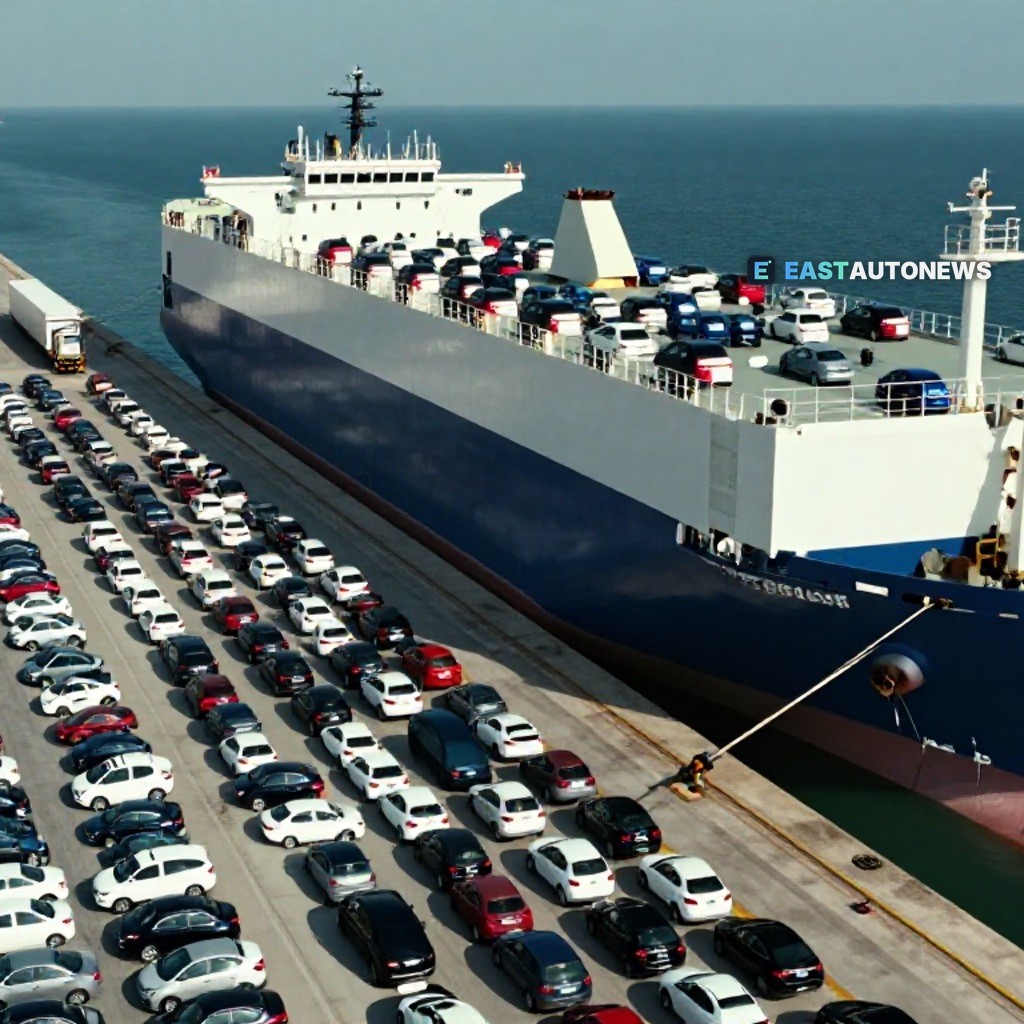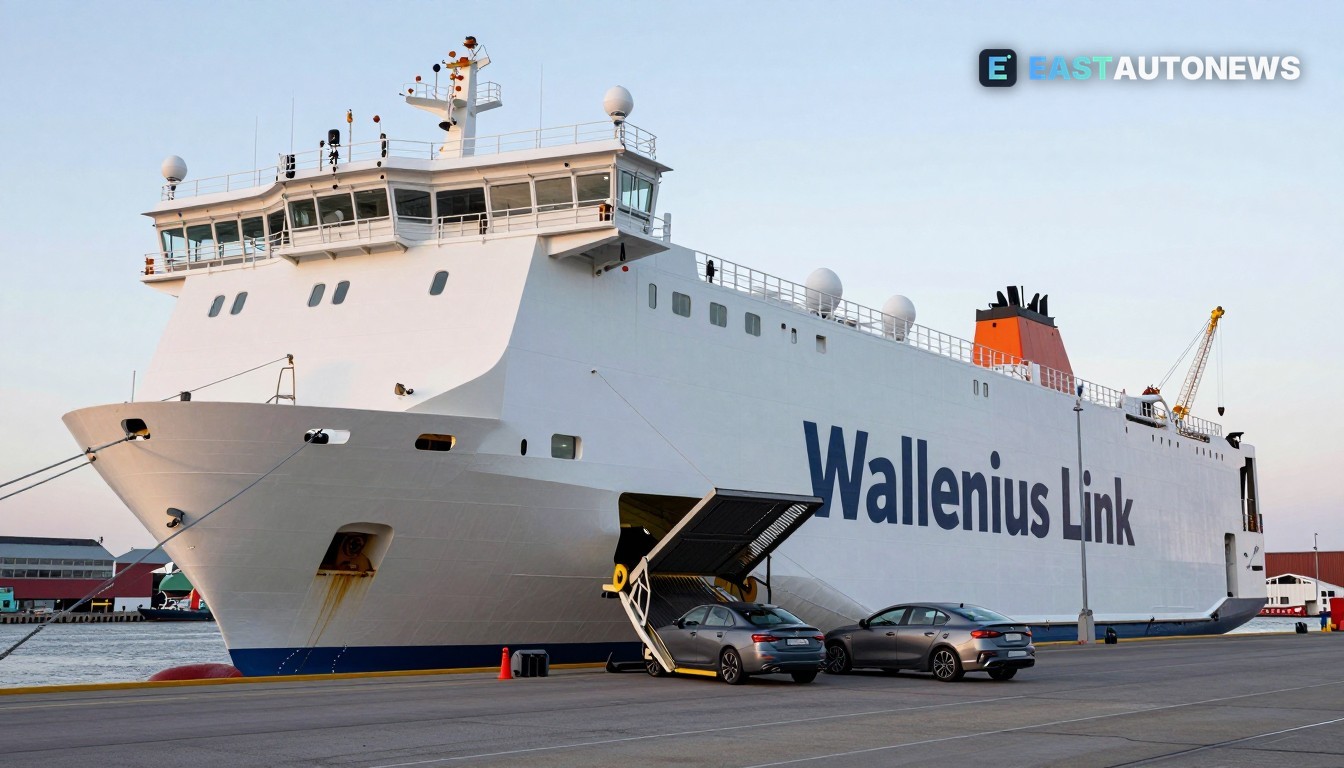
Swedish short‑sea operator Wallenius SOL announced it will operate under the new name Wallenius Link from 12 November 2026, following Wallenius Lines’ purchase of SOL Group’s stake earlier this year. The rebrand, the company says, follows a change in ownership that was agreed in April 2026 and approved by regulators in May 2026.
What the change is
Wallenius Link — the successor identity of Wallenius SOL — will keep the same management and services, the company said, and the renaming will be phased in during scheduled ship maintenance and other operational windows. The firm describes itself as a year‑round liner operator linking northern Sweden and Finland with continental Europe and the UK, serving industrial supply chains across the Baltic and North Seas. Elvir Dzanic, chief executive of Wallenius Link, said the company will “continue to put our customers and partnerships across the value chain at the centre of our business.”
Since the ownership move was announced in April 2026, Wallenius Lines has emphasised a strategy of long‑term investment and closer integration of short‑sea services. The parent group says the acquisition gives Wallenius SOL (now Wallenius Link) a clear, single ownership structure intended to support sustainable, integrated shipping solutions across northern Europe.
Operational moves that matter
Wallenius Link’s corporate newsfeed shows the company is already expanding its operational toolbox: recent items include the purchase of Ro‑Ro tonnage from Royal Wagenborg and a contract of affreightment with industrial customers, signalling steady capacity planning for short‑sea trades. Those concrete fleet and contract moves provide the new brand with immediate commercial scale while the visual rebrand is rolled out.
What this means for the market
For Central and Eastern Europe the news matters because Wallenius Link’s Baltic and North Sea links are part of the regional logistics fabric that moves components and finished vehicles between ports in Scandinavia, northern Germany and Poland. The consolidation under Wallenius Lines removes a layer of joint‑venture complexity and—by the company’s own account—preserves existing schedules and service commitments, which supports continuity for vehicle exporters and importers that rely on predictable short‑sea connections.
Logistics managers and port planners in CEE will watch how Wallenius Link deploys the vessels it has acquired and whether the group increases capacity on Baltic corridors used by carmakers and tier‑one suppliers. The company’s stated focus on maintaining customer partnerships and on gradual rebranding during scheduled maintenance suggests limited immediate disruption to vehicle flows.
WorldTrader24 B2B vehicle marketplace for traders →
Sources: Wallenius Link, PortNews, Wallenius Lines