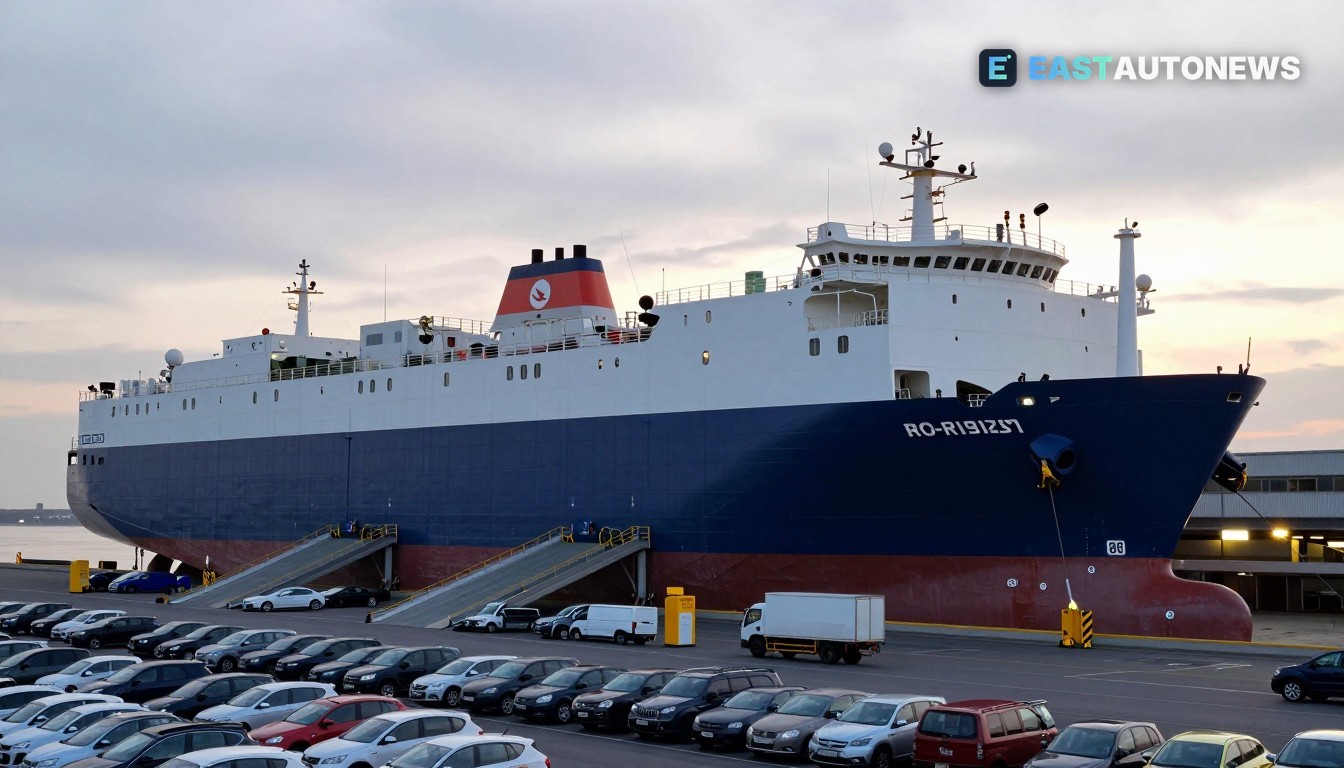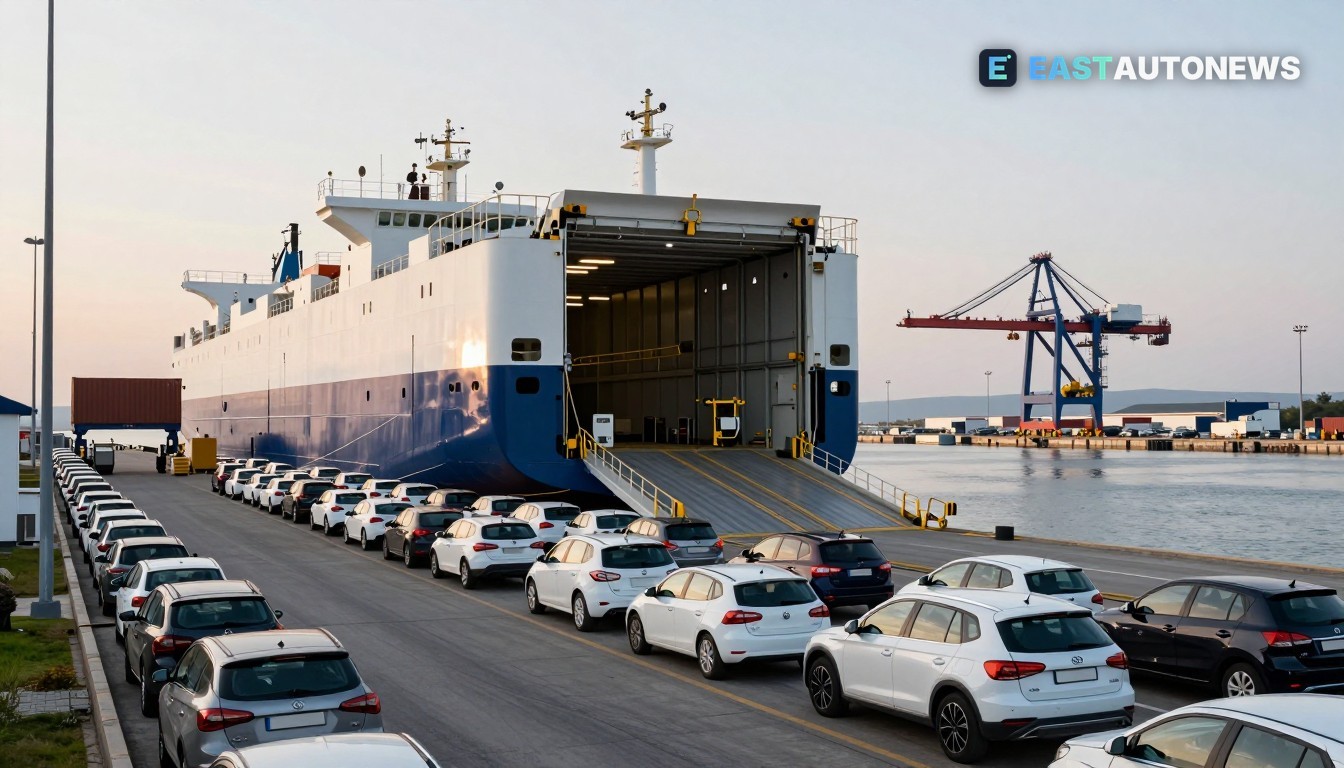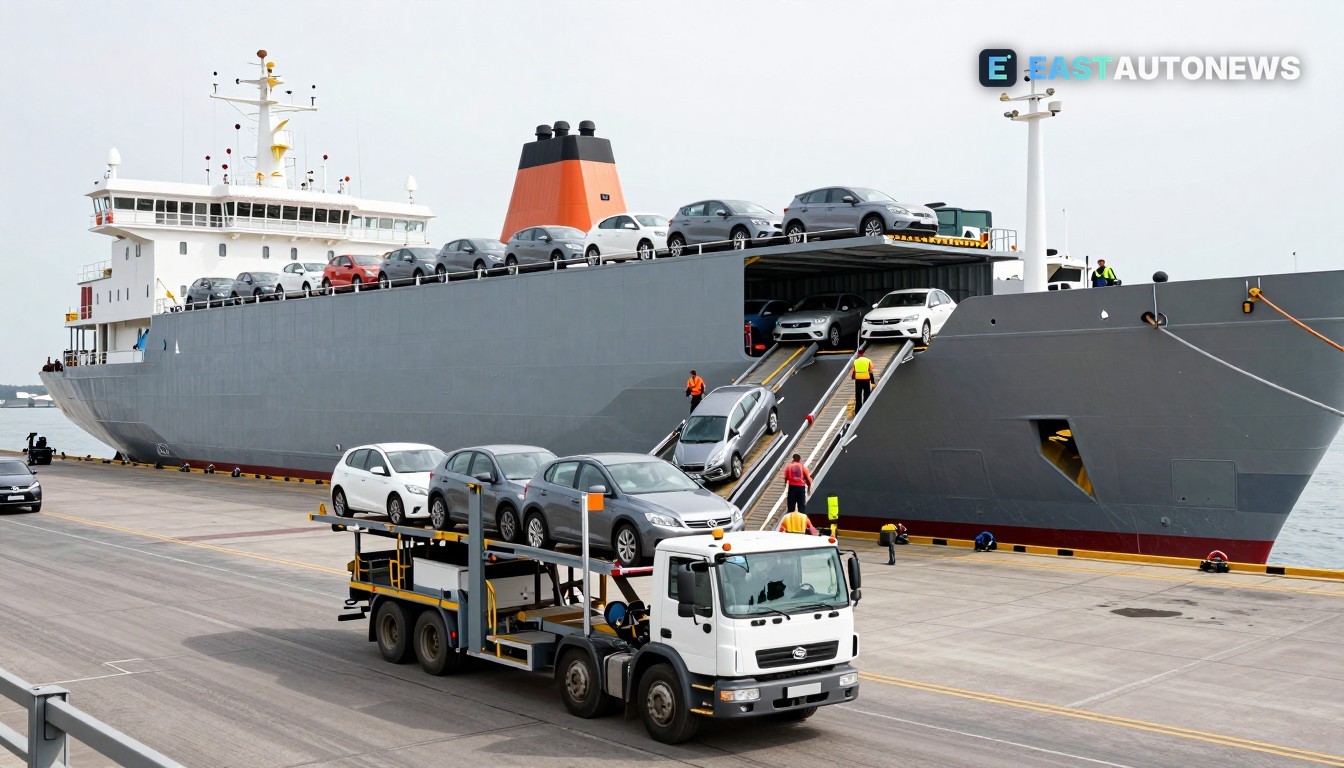
Copenhagen Malmö Port (CMP) reported that Finnlines’ Finneco II called at the Norra Hamnen terminal on 13 November 2026, where "close to 800 vehicles were successfully discharged" during the operation. The ship is one of Finnlines’ largest hybrid Ro‑Ro vessels (238 metres, c.5,800 lane metres), and CMP said the call highlighted the terminal’s capacity and flexibility in handling large vehicle volumes and different vessel types.
The call and the operation
Finneco II’s visit required coordinated planning across quays and ramp operations. CMP noted that strong planning and close cooperation ensured an efficient operation throughout the call and emphasised that its Malmö terminals "handle some of the largest volumes of new cars in Scandinavia." The port’s release underlined the practical capability to accept large Ro‑Ro units and to discharge concentrated car volumes without prolonged yard bottlenecks.
Background: market pressure on Ro‑Ro capacity
The call comes against a backdrop of tight global vehicle shipping markets. Wallenius Wilhelmsen’s Q3 2026 market update documents continuing shifts in vehicle trade flows — including strong Asian export growth that has absorbed additional vessel capacity — and confirms a growing fleet and orderbook that are still adjusting to imbalanced trade patterns. The company’s Q3 report, issued in early November 2026, provides the recent market snapshot showing these pressures and fleet developments.
What this means for the market
For Central and Eastern Europe (CEE) carmakers and suppliers, the Malmö call is a reminder that northern European Ro‑Ro and short‑sea terminals can absorb large, concentrated vehicle volumes and act as flexible nodes in wider logistics chains. CMP’s ability to handle nearly 800 cars in a single call demonstrates spare operational capacity that exporters or importers can use when routing choices become constrained by vessel availability, schedules or port congestion.
At the same time, capacity elsewhere in Europe is being expanded: analysis of Adriatic hub developments shows ports such as Koper are also increasing vehicle throughput and terminal capacity — the Port of Koper handled around 915,000 vehicles in 2025 and is planning car‑terminal expansions to exceed 1.1 million vehicles as facilities come online. That means CEE supply chains have a widening set of gateways — from the Baltic to the Adriatic — to balance volumes and respond to Ro‑Ro scheduling or pricing pressure.
In short, the Finneco II call is a practical illustration that ports with strong Ro‑Ro capability remain essential levers for car logistics. For OEMs, tier‑1 suppliers and freight forwarders serving CEE factories and markets, the event underlines two strategic points: (1) northern ports can provide short‑notice capacity for concentrated vehicle sailings, and (2) inter‑regional options (Nordic/Baltic versus Adriatic gateways) are increasingly important as global shipping patterns continue to shift.
WorldTrader24 B2B vehicle marketplace for dealers →
Sources: Copenhagen Malmö Port (CMP), Wallenius Wilhelmsen Q3 2026 report, SRM / Intesa Sanpaolo analysis on Port of Koper