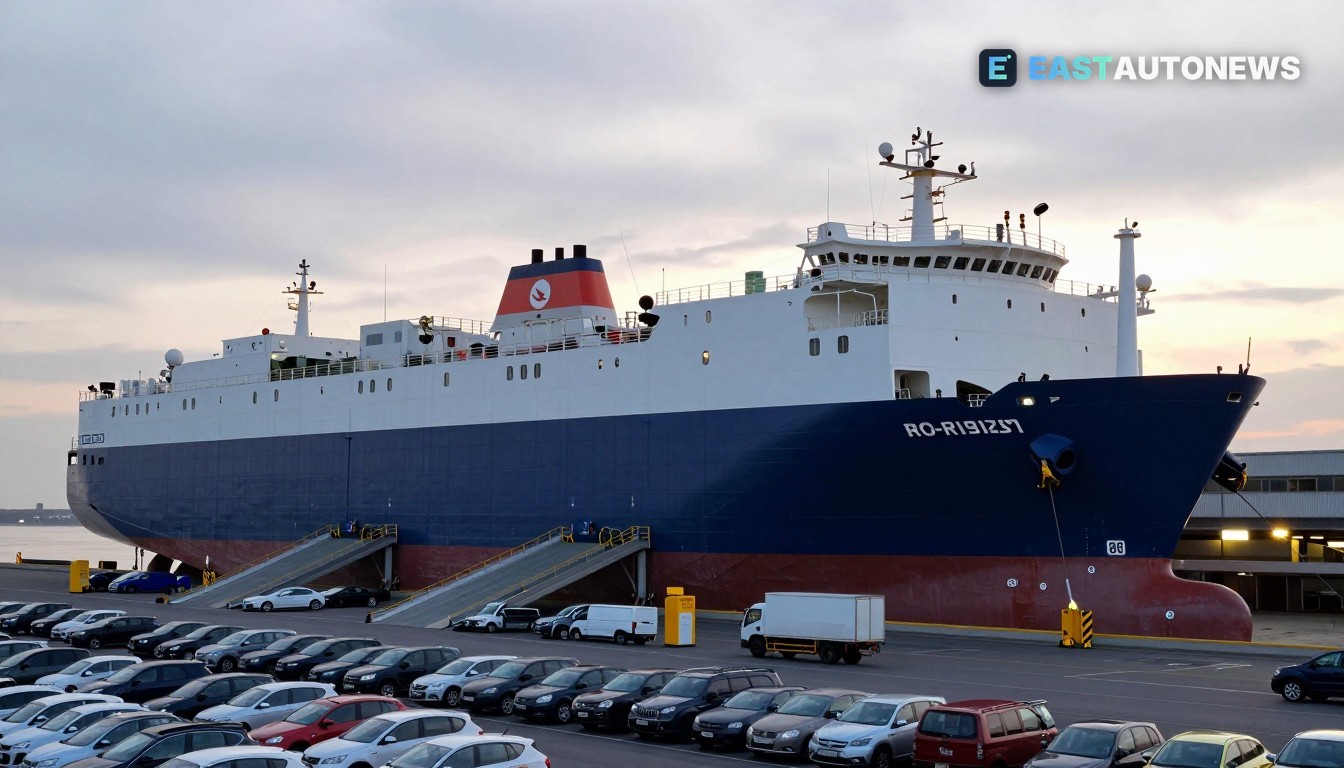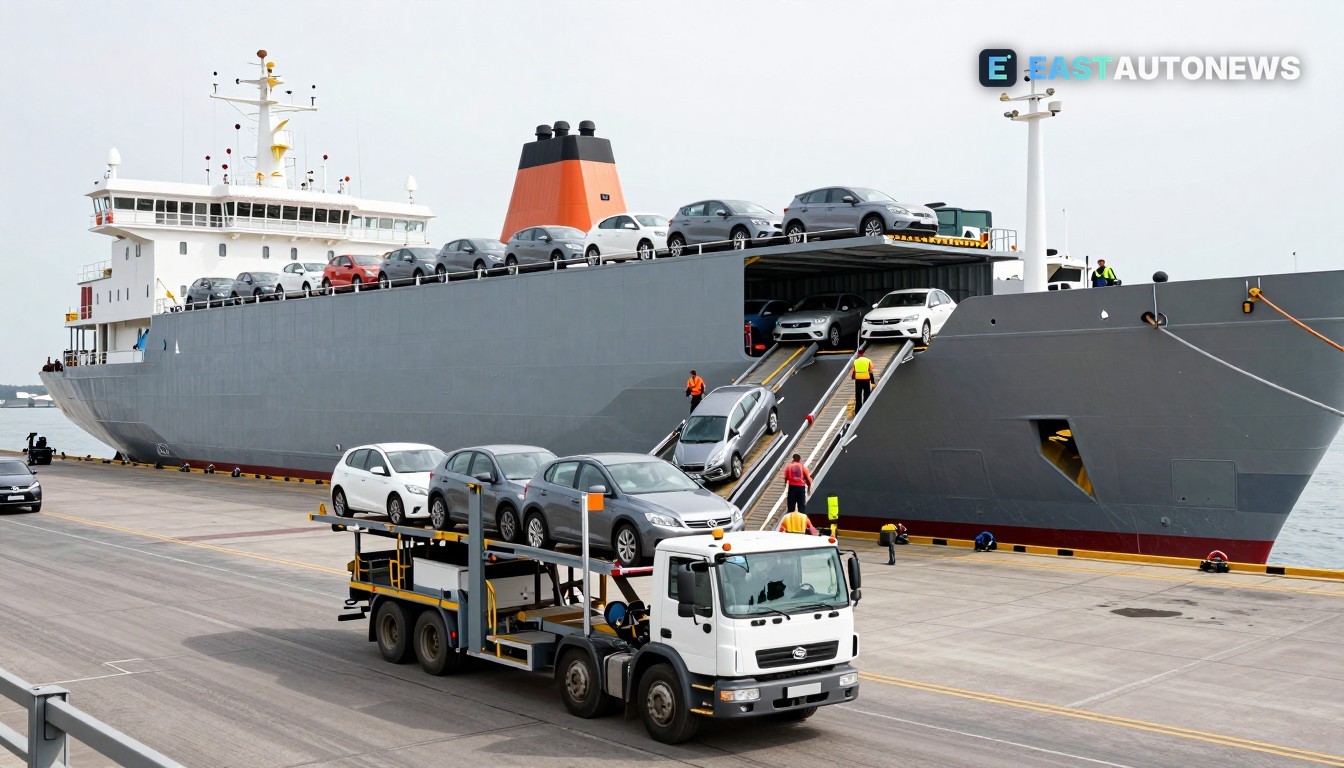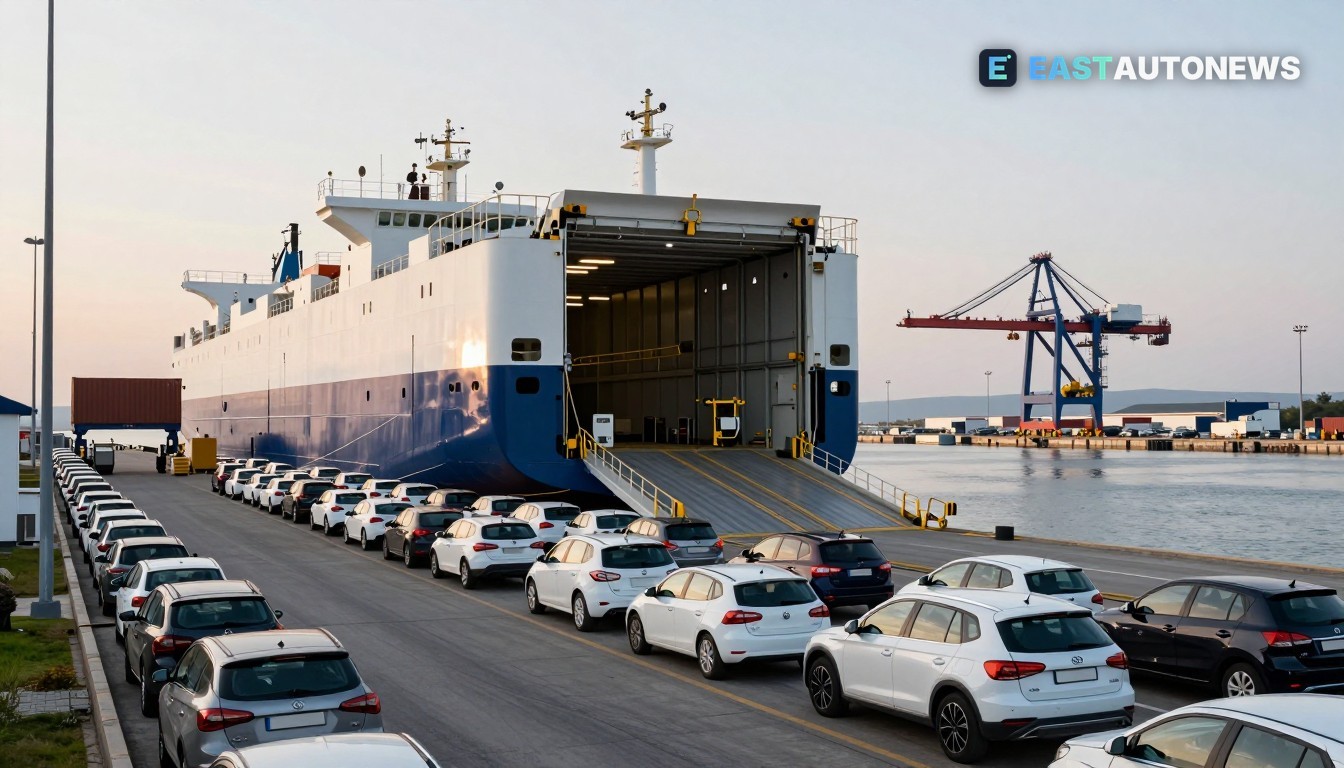
Shipowners have contracted an unusually large number of pure car and truck carriers (PCTCs) in 2026 — a development that will shape vehicle flows into Central and Eastern Europe (CEE) for years. Greek broker Intermodal reported that 82 PCTCs were ordered in the first nine months of 2026, compared with nine ships ordered in all of 2025; Intermodal also said about 64% of that orderbook (by tonnage) is scheduled for delivery from 2028.
Why the order boom matters now
The immediacy of the impact stems from timing and current demand. The Loadstar and market analysts note that high charter rates — ships were fixing at roughly $95,000 a day in recent months — and booming Chinese exports (8.2 million vehicles in the first nine months of 2026) fuelled the newbuilding wave. But because most vessels are due after 2027, the market remains tight until then, keeping ro‑ro freight expensive and capacity constrained.
Forwarder and shipping trade briefs in mid‑November reiterated the same figures and warned that forwarders and shippers should expect firm ro‑ro rates through 2027; the commentary published 16 November underlined that capacity relief from newbuilds is a 2028 story.
Supply‑chain consequences for CEE ports
Ports serving CEE — from the northern Adriatic to the Baltic and the Black Sea — remain exposed. Slovenia’s Port of Koper is a key southern gateway for vehicles bound to Hungary, Austria, Slovakia and western Ukraine; industry benchmarks show Koper’s car and ro‑ro throughput reached about 914,817 vehicles in 2025, underlining how dependent regional supply chains are on reliable ro‑ro sailings. Higher ro‑ro charter costs translate into higher unit import costs for dealers and fleets in CEE.
Even northern gateways matter: ro‑ro and terminal benchmarks for ports such as Bremerhaven show typical per‑car ro‑ro handling and sea costs that rose through 2026, reinforcing that CEE importers face elevated landed costs whether they receive cars via the Adriatic, North Sea or Baltic corridors.
What this means for the market
Short term (to end‑2027): expect constrained ro‑ro availability and firm freight rates. Logistics providers and OEMs importing vehicles or rolling machinery will likely pay a premium for confirmed sailings and may shift some volumes into containers or onto captive shipping capacity where possible. These shifts raise handling complexity at CEE ports and inland hubs.
Medium term (2028+): with around 64% of the newbuild tonnage delivering from 2028, capacity should increase materially — but the effect depends on trade policy and routing. The Loadstar and Intermodal warn that EU trade measures proposed for China‑built conventional and plug‑in hybrid vehicles (an initial cap figure reported at 350,000 units a year under a four‑year ramp) could blunt China‑to‑Europe ro‑ro growth and change where vessels are deployed.
For suppliers and terminals in CEE, policy developments and timing of new ships are the two variables to watch: if Chinese exports keep expanding and policy does not bite, the 2028 delivery wave may be absorbed; if imports are capped or redirected to shorter lanes, it could either relieve or reallocate pressure in unexpected ways. Forwarders and port operators should plan for elevated ro‑ro pricing into 2027 and scenario‑test 2028 capacity changes.
WorldTrader24 B2B vehicle marketplace for dealers →
Sources: The Loadstar, Forwarder News, AgilFreight