The Port of Rijeka has completed procurement for an €11.49 million onshore power‑supply system (shore power) to serve both of its container terminals, with Croatian engineering group Končar named preferred bidder. The scheme will install 10 MW capacity at the Adriatic Gateway Container Terminal (AGCT/Brajdica) and 7.5 MW at the Rijeka Gateway (Zagreb Coast) terminal, allowing two container vessels to connect simultaneously at each site. Implementation is expected to take about two years and the project is co‑funded by the EU’s Connecting Europe Facility (CEF).
What the deal delivers
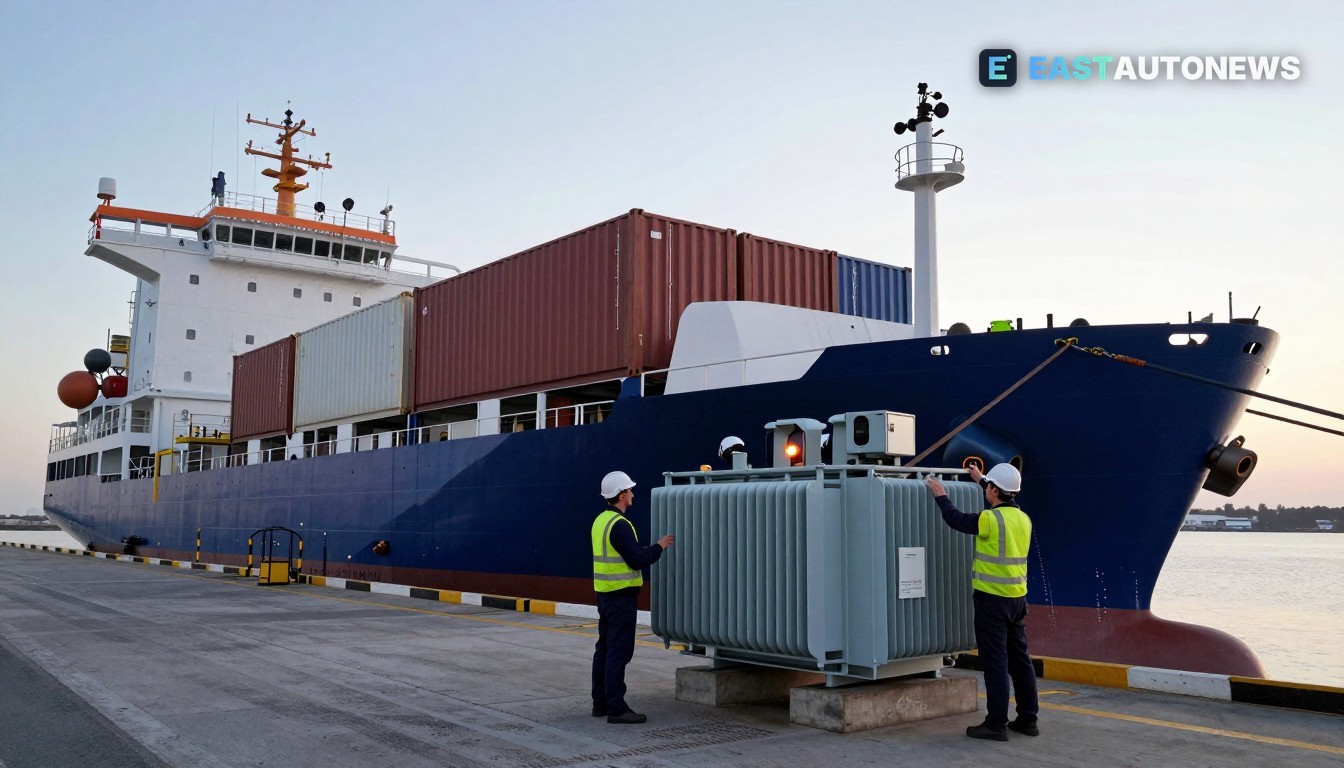
The shore‑power installation will let berthed container ships switch off auxiliary engines and draw electricity from the grid, cutting local emissions and noise. Rijeka’s port authority says the project is being pushed ahead of the EU’s 2030 shore‑power requirements for covered ports. The procurement announcement specifies the combined 17.5 MW capacity and the two‑year delivery window; Končar was identified as the preferred contractor in the port authority notice reported by trade press.
Beyond environmental benefits, the investment is positioned as infrastructure that enhances Rijeka’s competitiveness with other northern Adriatic gateways. Observers and regional port reports note that Rijeka is already expanding services and electrification to attract container and Ro‑Ro traffic serving markets in Croatia, Slovenia, Hungary, Serbia and further into Central and Eastern Europe. The shore‑power project is part of a wider infrastructure push at northern Adriatic ports to capture shifting Asia‑Europe and Mediterranean flows.
What this means for the market
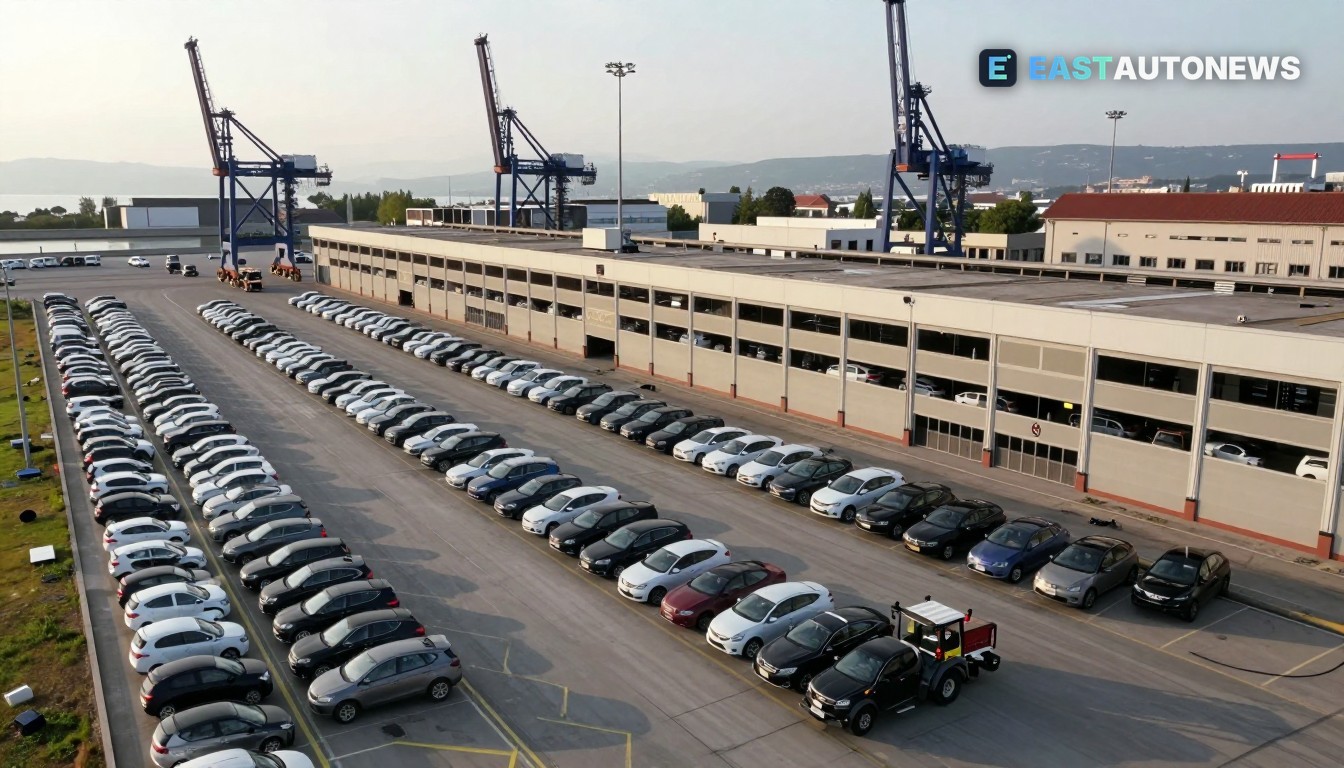
For automotive supply chains and vehicle logistics, the Rijeka shore‑power project is a material, if indirect, development. Northern Adriatic ports compete to be the most attractive and compliant gateway for containerised parts, components and finished‑vehicle transhipments to CEE manufacturing hubs. Cleaner, EU‑funded infrastructure improves a port’s ability to win scheduled liner and feeder calls — and that, in turn, supports reliable vessel calls and predictable onward rail/truck connections that carmakers and tier‑1 suppliers need. The Rijeka upgrade therefore strengthens an existing Adriatic option for CEE importers and exporters, alongside Slovenian and Italian ports.
The project does not immediately expand Ro‑Ro or finished‑vehicle handling capacity — it is an energy and environmental upgrade for container terminals — but it helps future‑proof the port against tightening EU rules and can influence carriers’ deployment decisions. For logistics planners in Central and Eastern Europe the practical effect will be gradual: improved port environmental compliance and potential timetable reliability can make Rijeka a slightly more attractive hub for parts and finished vehicles routed via container or short‑sea services.
Implementation risks are the usual ones for on‑shore electrical projects: grid reinforcement, permitting, and the need to synchronise quay works with terminal operators so container operations are not disrupted. The port’s statement and the trade press coverage set expectations of a two‑year delivery schedule and CEF co‑funding — both factors that reduce project risk compared with unaided investments.
B2B vehicle listings on WorldTrader24 →
Sources: Ship & Bunker, Croatia Week