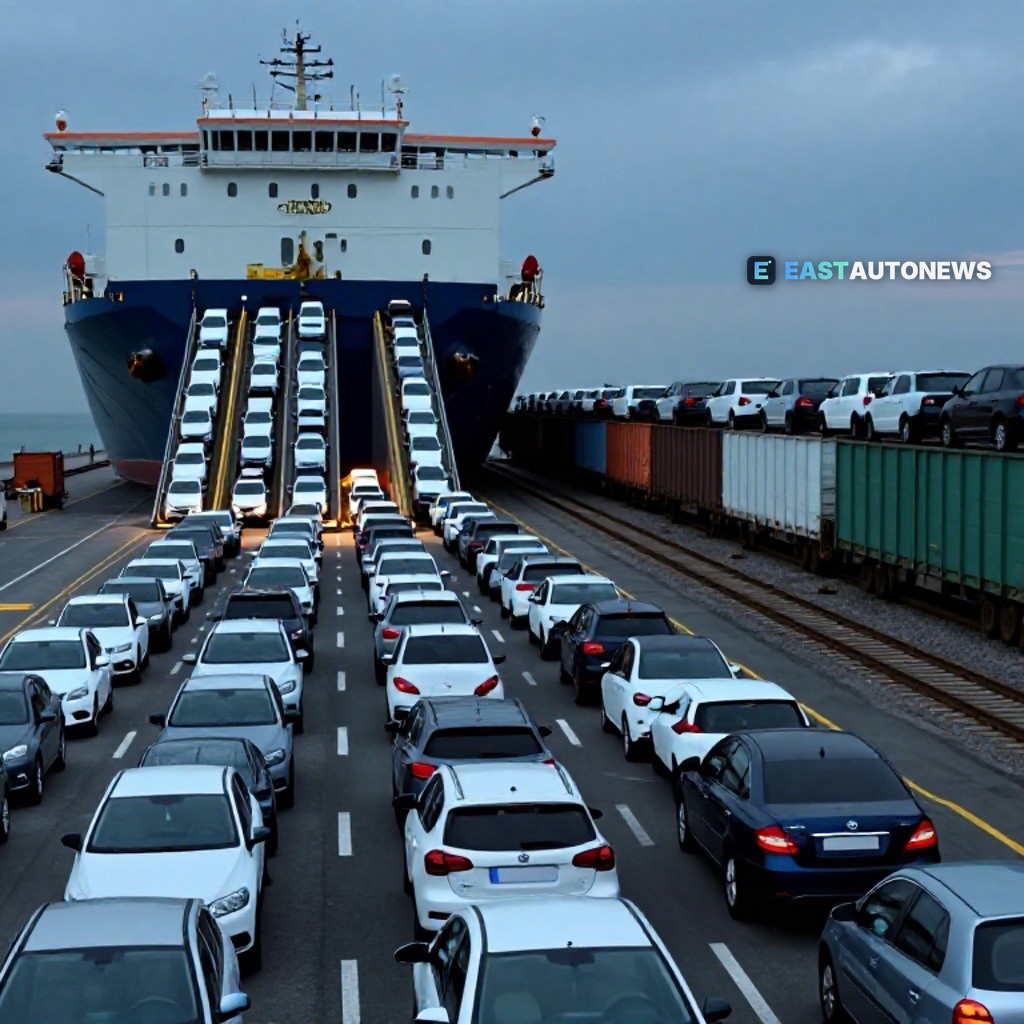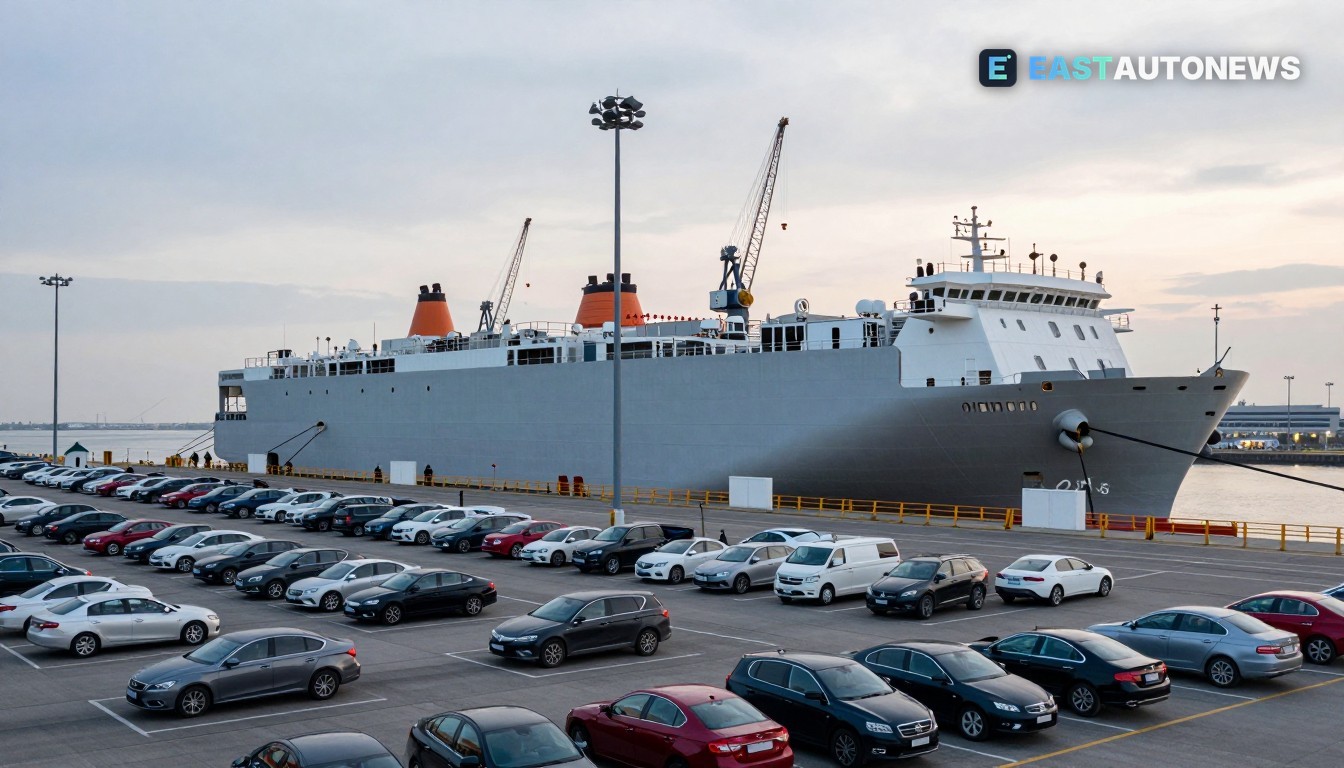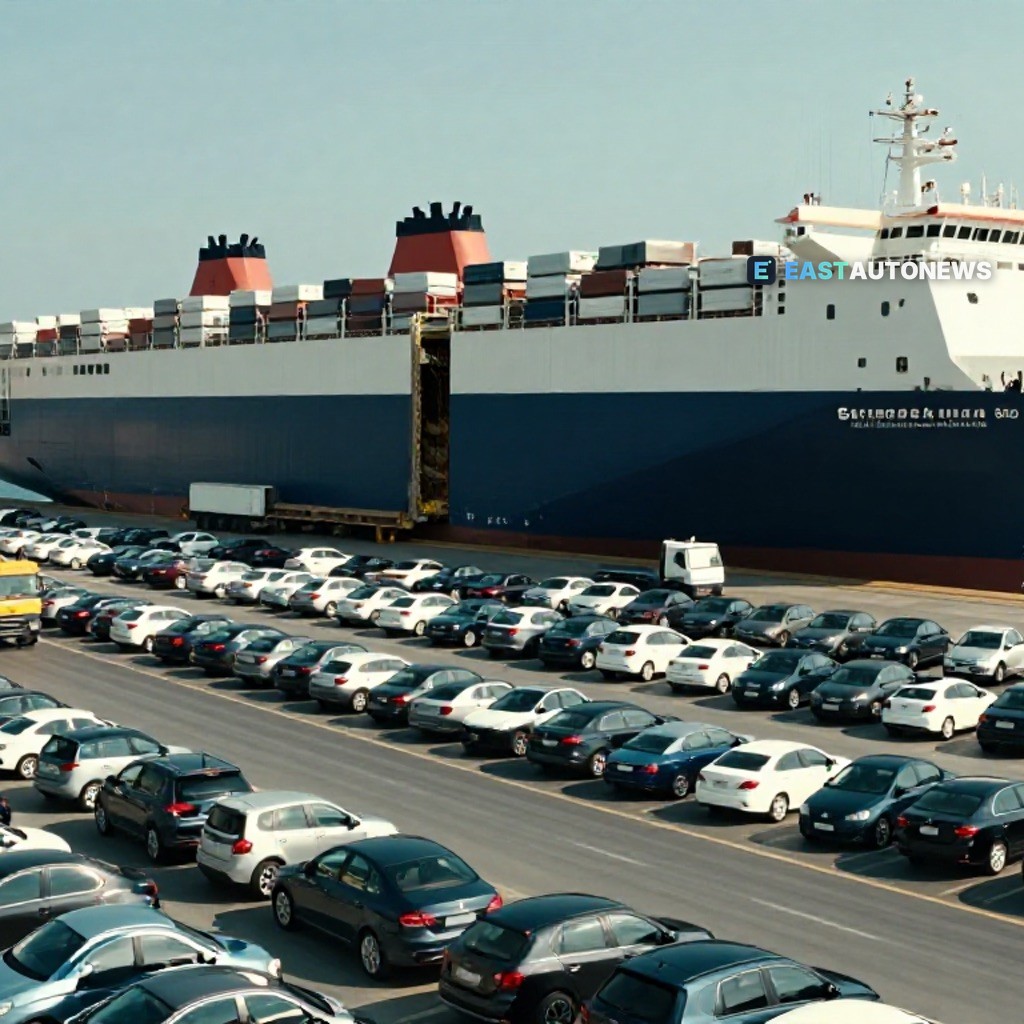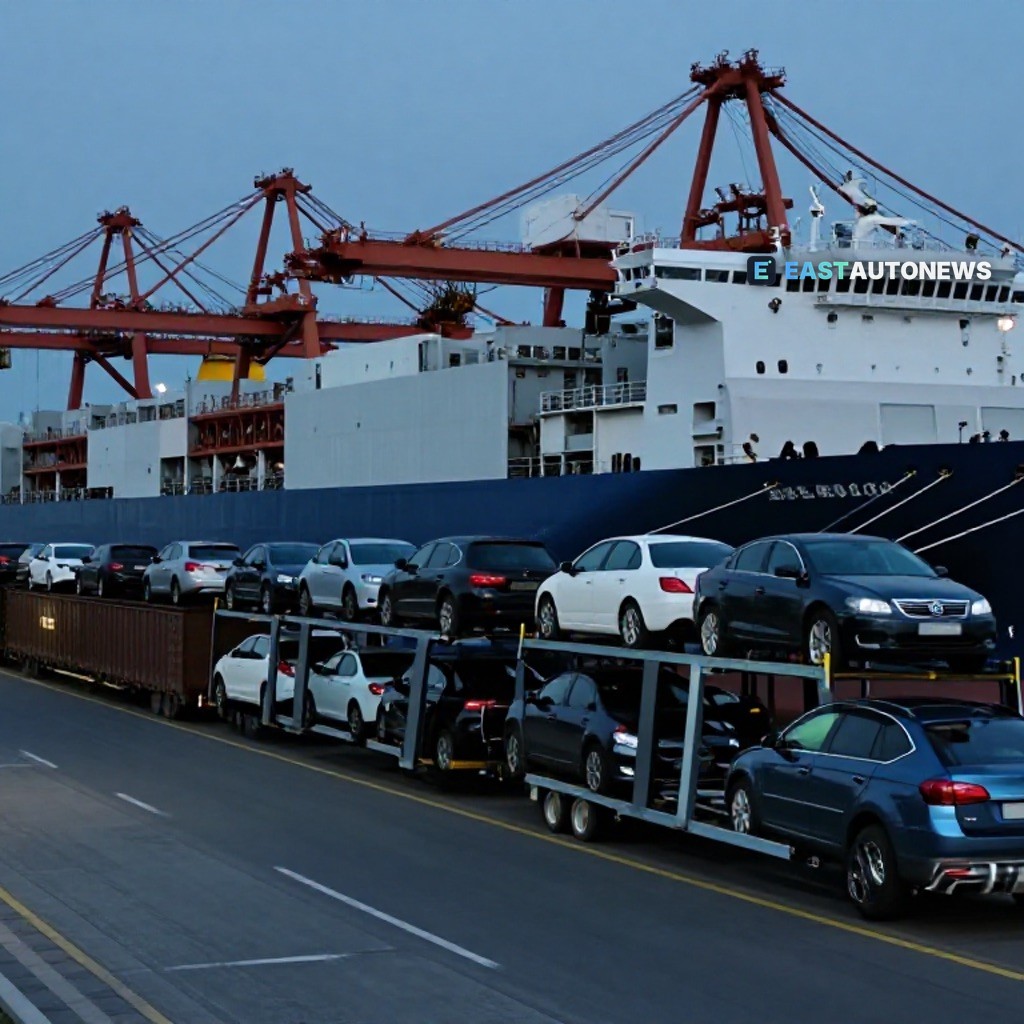
China's vehicle exporters are tightening the link between rail and sea. According to a Xinhua Economic Watch report, the routes and facilities serving the trade form a network of multiple ports and parallel routes, allowing vehicles to be transported directly by rail to ports for loading onto ships. Rather than funnelling export volumes through a single gateway, the arrangement gives shippers several corridors between factory and ocean carrier — a structure that keeps flows moving across multiple routes at once.
For Europe, the export-side build-out matters because these are the flows already reshaping the continent's import infrastructure — EastAutoNews has reported how Chinese car imports are pushing EU port logistics toward the south. They are also the flows Brussels wants to manage: the European Union is developing a package of industrial measures designed to boost competitiveness and shield local industry from low-cost imports, including Chinese-made cars that are gaining popularity in the region. As our coverage of the 'Made in Europe' debate showed, automakers have warned of 'self-harm' if Turkey is excluded from the rules — but whatever the regulatory outcome, the physical capacity to ship vehicles toward Europe keeps expanding.
Central and Eastern Europe sits on the receiving end of these corridors, and its logistics sector is deeply embedded in them. Rohlig SUUS Logistics, the largest Polish logistics operator and one of the leading players in Central and Eastern Europe and Central Asia, specializes in the integrated management of logistics and global supply chains — the kind of capability long-distance vehicle trade relies on. As a recent industry analysis put it, Europe and Central Asia are 'closing the distance', and growing trade needs efficient logistics. For CEE operators that is both an opportunity and a test, since the corridors they manage also carry the import volumes that compete with local production.
The region's trade infrastructure is deepening in other ways, too. Maritime attacks have failed to slow a double-digit jump in grain exports at a Romanian port, trade press reports — and to reflect rising Black Sea grain trade, Euronext said earlier this month it will launch Black Sea wheat and corn futures next year, with physical delivery to the port of Constanta. That is grain rather than cars, but it points to the same trend: Eastern European gateways are adding capacity and instruments across commodities, infrastructure that vehicle logistics can also draw on as volumes grow. For dealers and buyers, the more immediate question is what these trade flows mean at the point of purchase.
The practical effect reaches the market quickly: more routing options and more import volume mean a wider, more price-transparent European vehicle market. Readers looking for a vehicle — from passenger cars arriving through these very corridors to the commercial vehicles that keep the freight moving — can find sensational cars at sensational conditions at WorldTrader24, Europe's marketplace with over 70,000 vehicles. Comparing offers across the whole market, rather than a single national lot, is the surest way to benefit from the competition these flows create.