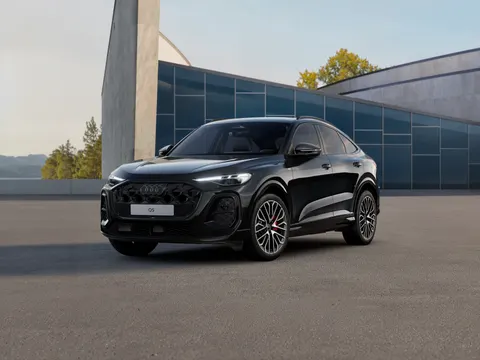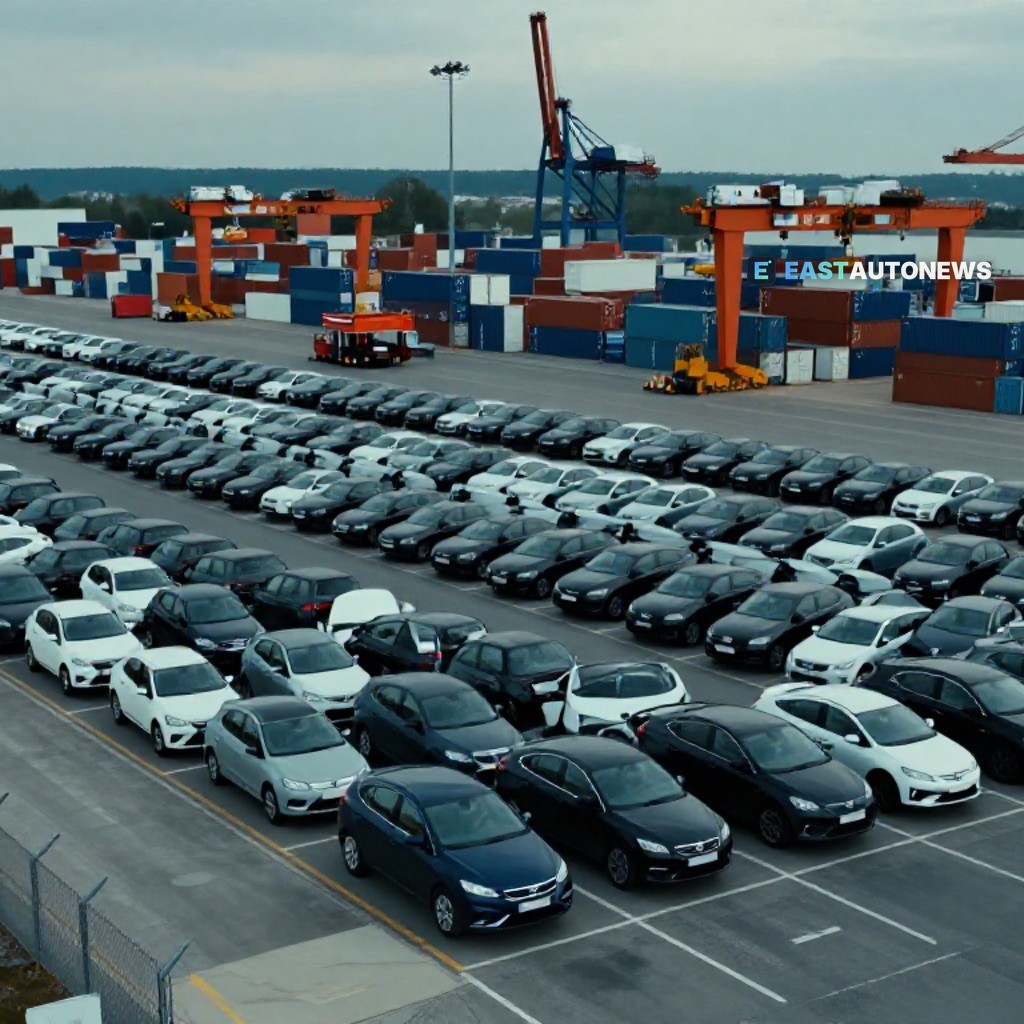
The European Union has introduced 200-day import quotas for hybrid vehicles, with China facing a cap of 191,780 units, trade outlet ChinaEVHome reports. The ceiling gives Chinese brands a fresh, structural reason to build where they sell — and it lands at a moment when several of them are doing exactly that, from Hungary to Spain. The knock-on effects reach deep into Central and Eastern Europe's production sites, ports and dealer networks.
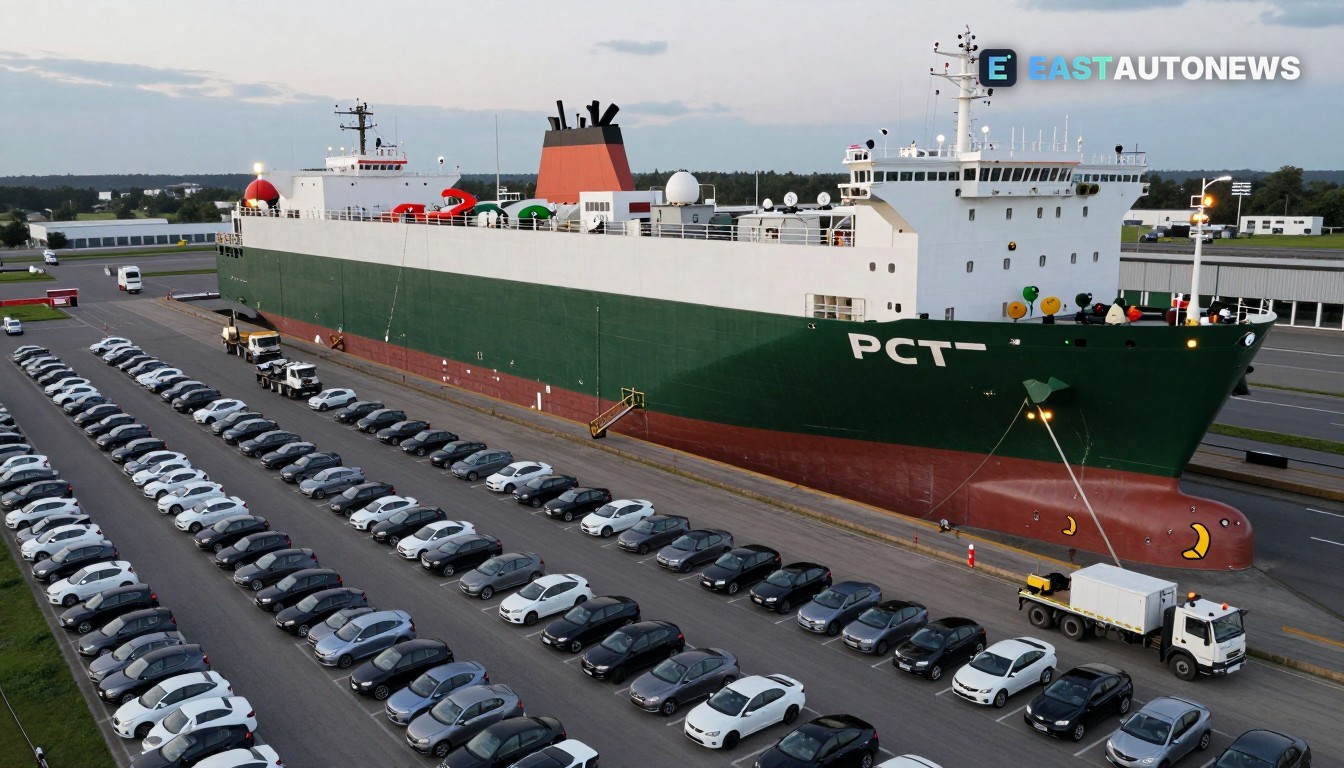
The localization response is already visible. BYD is moving ahead with plans to start production at its Hungarian plant, and the Szeged facility is expected to begin producing cars at the end of 2026 — a timeline consistent with earlier reporting on the site. Geely is developing a manufacturing project in Spain, while Leapmotor is pursuing local production through Stellantis' manufacturing network. Every one of those projects shifts volume from ocean-borne imports to intra-European production and distribution — a shift that now carries extra strategic weight under the quota regime.
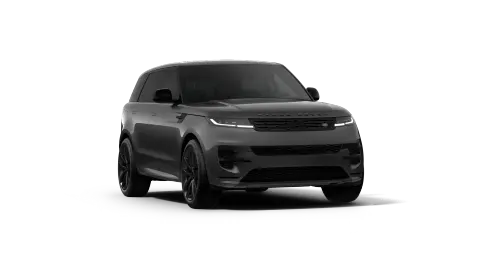
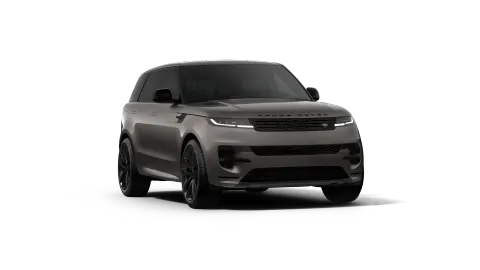
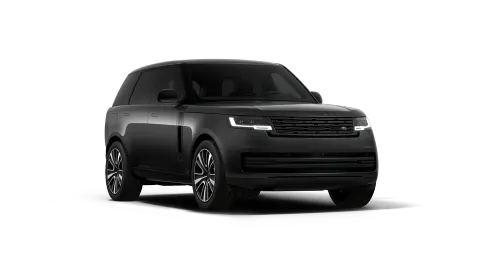
BYD's path, though, runs through a courtroom as well as a factory gate. A court in The Hague has provisionally banned the Ti7 SUV from sale in the EU on the grounds that it looks too much like a Land Rover Defender, and has prohibited production of the model at Szeged — where it had been due to enter mass production — until the intellectual property case is resolved. A final ruling is expected to take time. The setback lands amid otherwise strong momentum: BYD outsold Hyundai in October's European registrations, even as brokers including BofA and Daiwa trimmed their targets for the company.
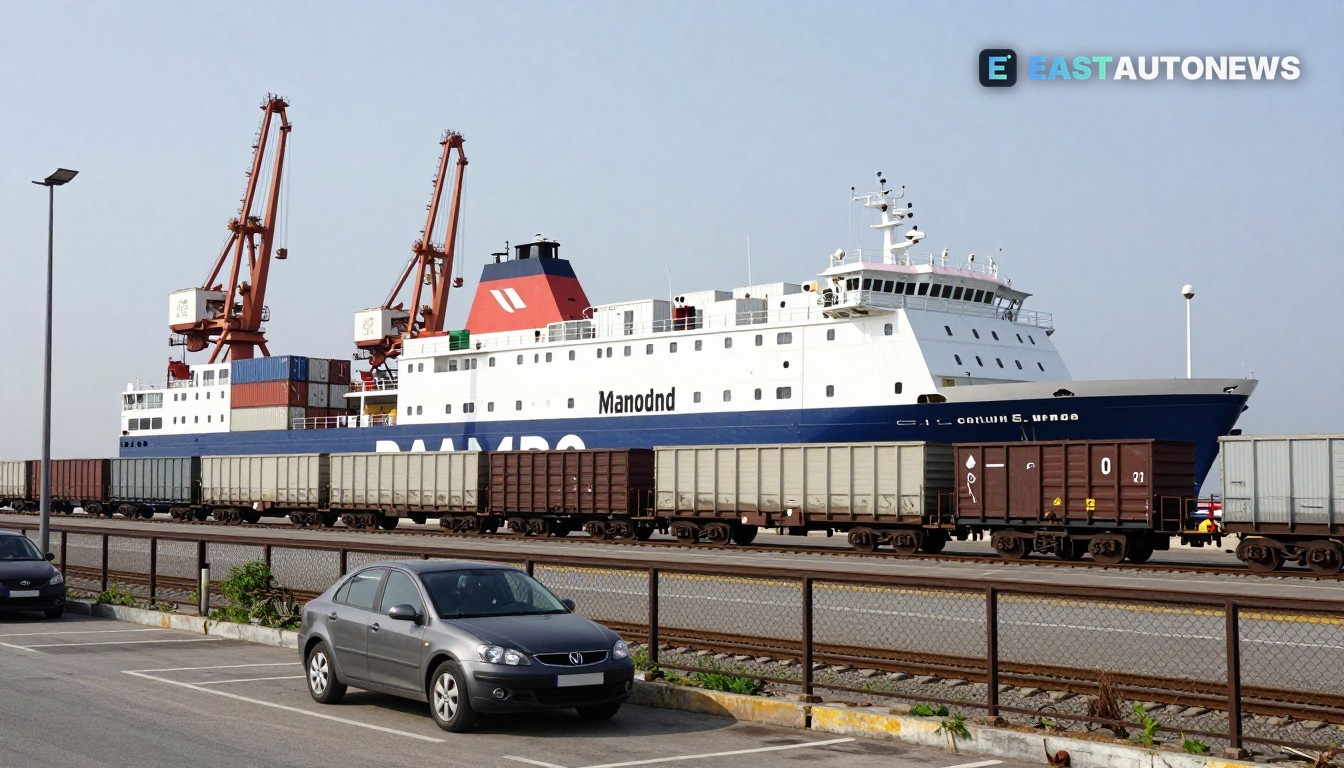
Logistics capacity, meanwhile, is following the trade. South Korea's BPA is to build a Europe logistics hub behind Croatia's Rijeka port, the Seoul Economic Daily reports, adding an Adriatic base to a network that already spans centers in Rotterdam and Barcelona plus logistics bases in Indonesia and the United States. The company signed a joint venture agreement in July this year. The Rijeka project extends a run of capacity news along the region's vehicle-logistics chain, coming shortly after feeder improvements between Piraeus and Constanța eased pressure on CEE car-trade routes.
Put together, the developments sketch a market in transition: quotas capping one supply channel, a court ruling complicating another, localization opening new ones — and infrastructure providers positioning to serve them all. For dealers and fleet buyers across the region, the first effects will register in availability and pricing, above all for hybrid and Chinese-brand models. Those tracking where stock is tightening can benchmark live listings and offers across Europe on WorldTrader24.
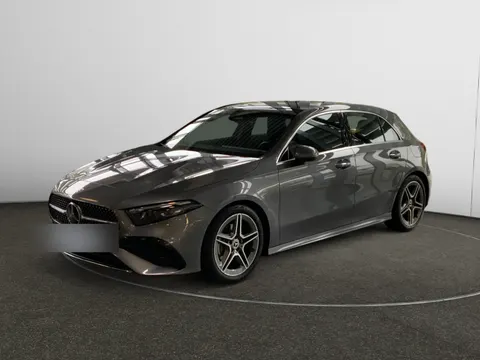
For buyers, the practical takeaway is to compare before committing: with quotas, court rulings and new production routes all reshaping supply, hybrid and electric offers can diverge sharply between markets. Readers looking for a vehicle can find sensational cars at sensational conditions at WorldTrader24, Europe's marketplace with over 70,000 vehicles.