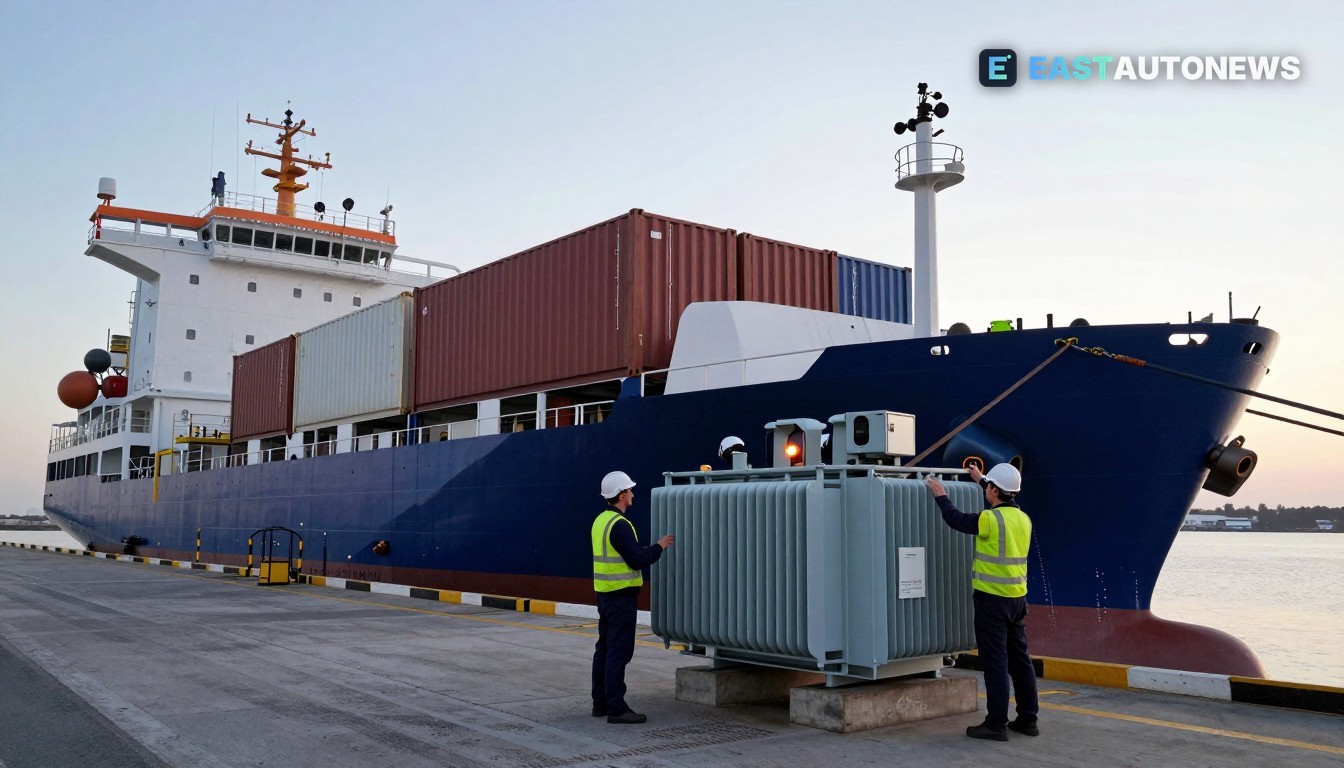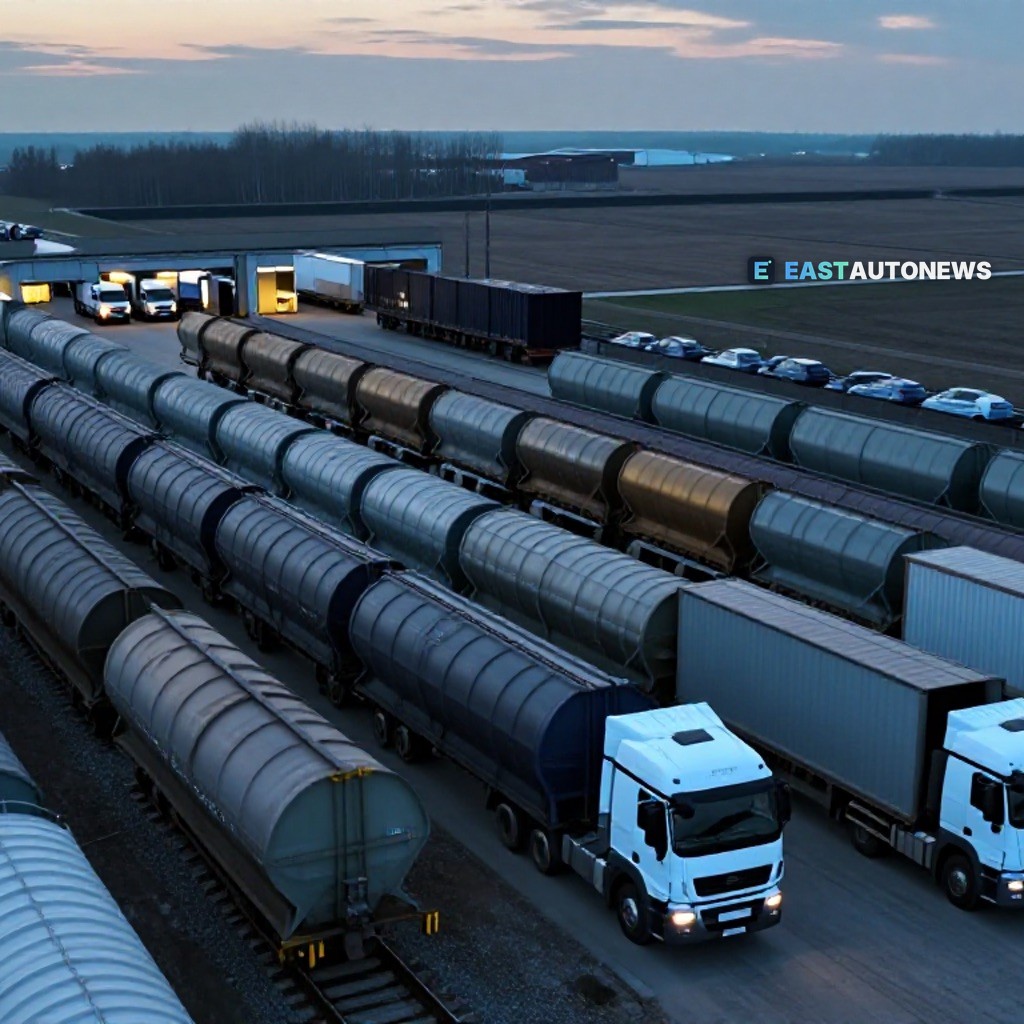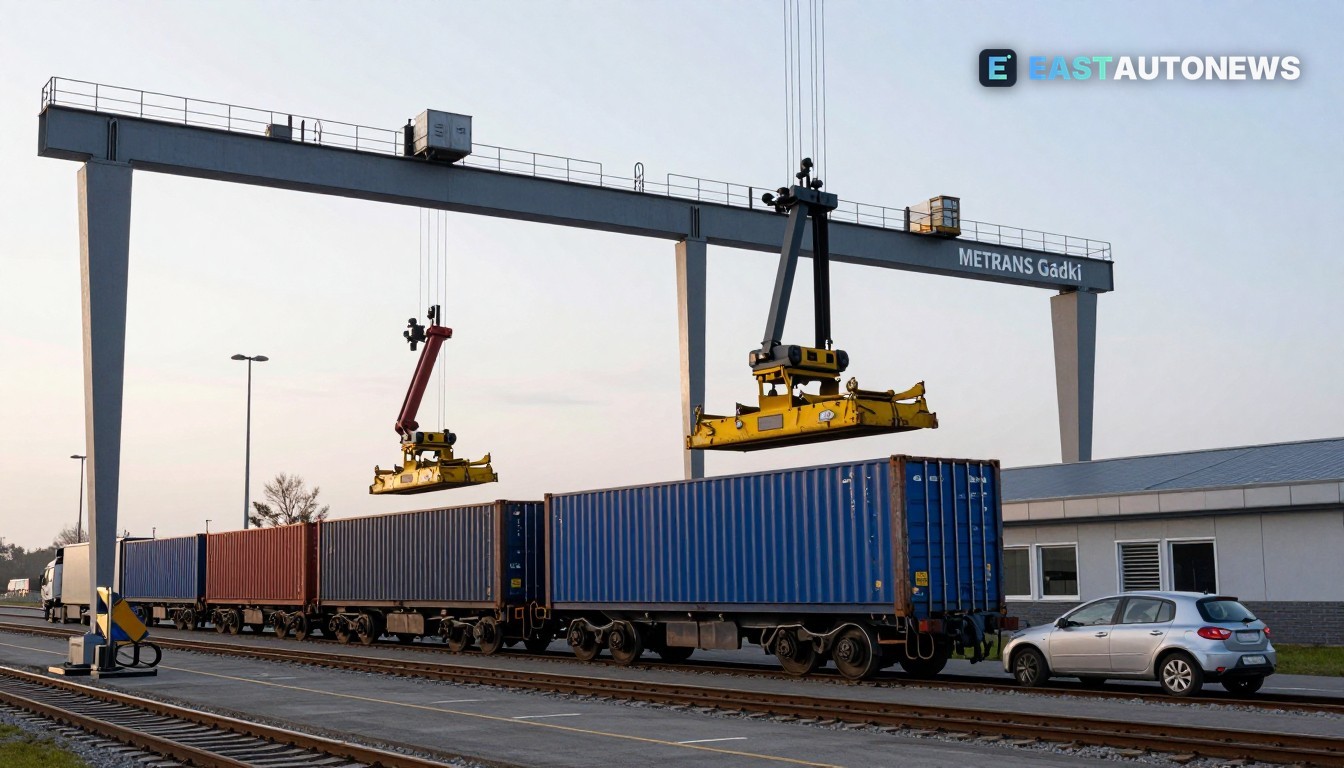
METRANS (HHLA) has completed a major expansion of its Gądki intermodal terminal near Poznań, raising maximum storage from 8,850 TEU to 11,800 TEU and lifting annual handling capacity by almost 80% to roughly 590,000 TEU. The upgrade — finished in early October 2026 — added two remote‑controlled railway gantry cranes, extended tracks (three existing tracks extended to more than 750 metres plus two additional tracks), and 53,000 m² of new paved operational area. Peter Kiss, CEO of the METRANS Group, said the works show how modern inland terminals and a strong rail network can improve connections between seaports and Central Europe’s industrial centres.
Why terminals in Germany and Austria are reacting
The Poznań capacity increase makes Gądki a materially larger hub for containerised flows into Central and Southern Europe, strengthening rail‑based hinterland links that feed German and Austrian markets. Industry observers and trade outlets say that the shift changes where carriers and shippers route containers — and that has encouraged faster investment in automated handling and remote‑operation technology at German and Austrian terminals to protect throughput and service levels.
Separately, Austrian rail and terminal operator ÖBB has outlined a programme of remote‑control and remote‑operation pilots across several terminals — including conversion work in Wolfurt and planned remote‑control gantry rollouts in Vienna South and Wels around late‑2026/early‑2027 — showing how regional operators are preparing for higher, more automated volumes. Those projects aim to increase throughput, enable 24‑hour operations and reduce local yard bottlenecks.
What this means for the market
Automotive OEMs, tier‑one suppliers and logistics providers that serve Central and Eastern Europe should read this as a capacity‑shift signal. A bigger, better‑equipped Poznań hub lowers rail transit times and increases the attractiveness of moving components and containerised vehicle parts by rail rather than by long‑haul road, especially on routes to southern Germany, Austria and beyond. Rail operators have already added wagon and equipment capacity for vehicle flows; those moves reduce pressure on road haulage but concentrate demand on intermodal paths and terminal handling capacity.
In practical terms, procurement and logistics teams should expect earlier booking windows for intermodal slots, potential premium for last‑mile truck feeders in tight windows, and renewed focus on terminal‑side processes (gating, camera‑gate checks, container condition recording) because the expanded Gądki site includes automated camera‑gate and weighing infrastructure. The METRANS expansion was co‑financed under Poland’s National Recovery and Resilience Plan (KPO), underlining public support for inland‑terminal capacity as part of Europe’s resilient supply‑chain agenda.
For Central and Eastern European carmakers and parts suppliers the net effect should be gradually lower door‑to‑door transit variability on core east‑west lanes — provided rail paths and terminal labour/automation rollouts keep pace. Companies reliant on just‑in‑time part deliveries will need to re‑test routing assumptions and contingency plans as hinterland capacity rebalances.
Vehicle trading platform for dealers on WorldTrader24 →
Sources: HHLA, AutoPresse, ÖBB, RailMarket