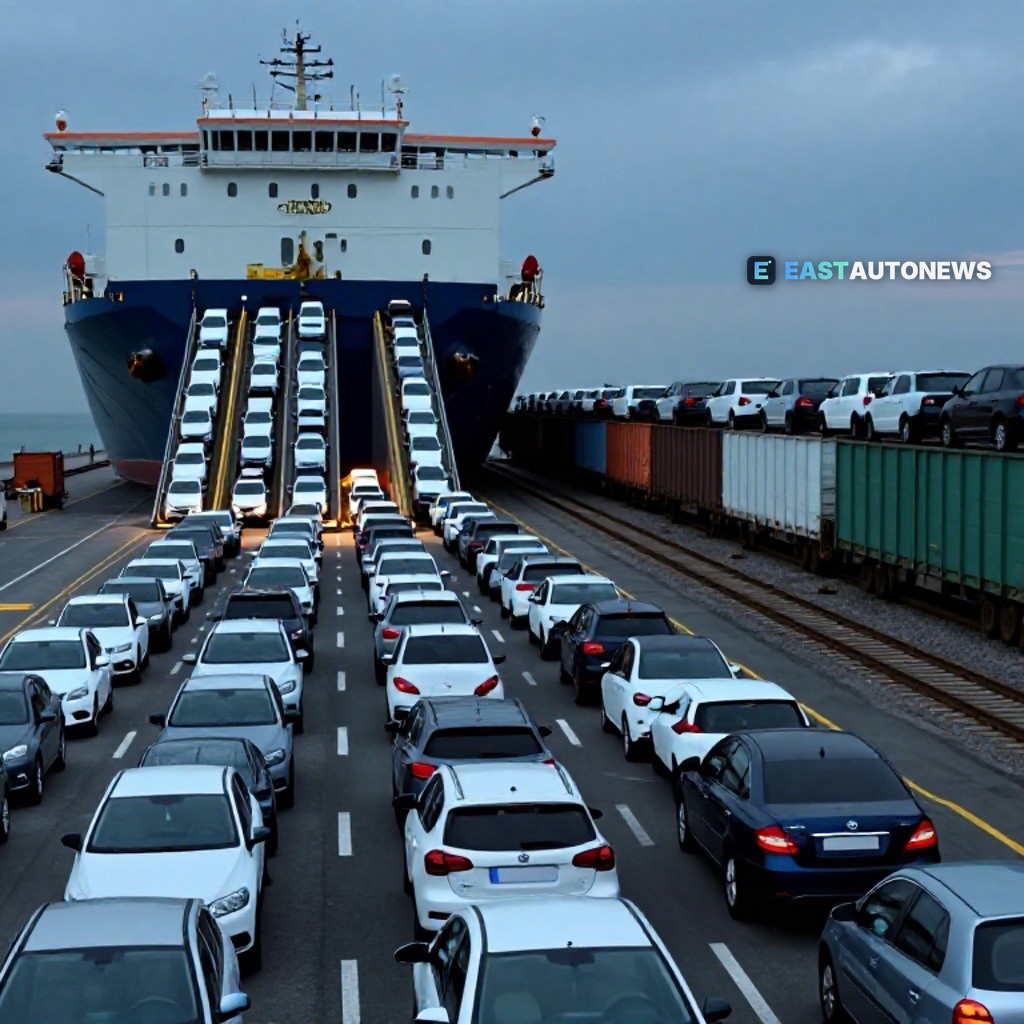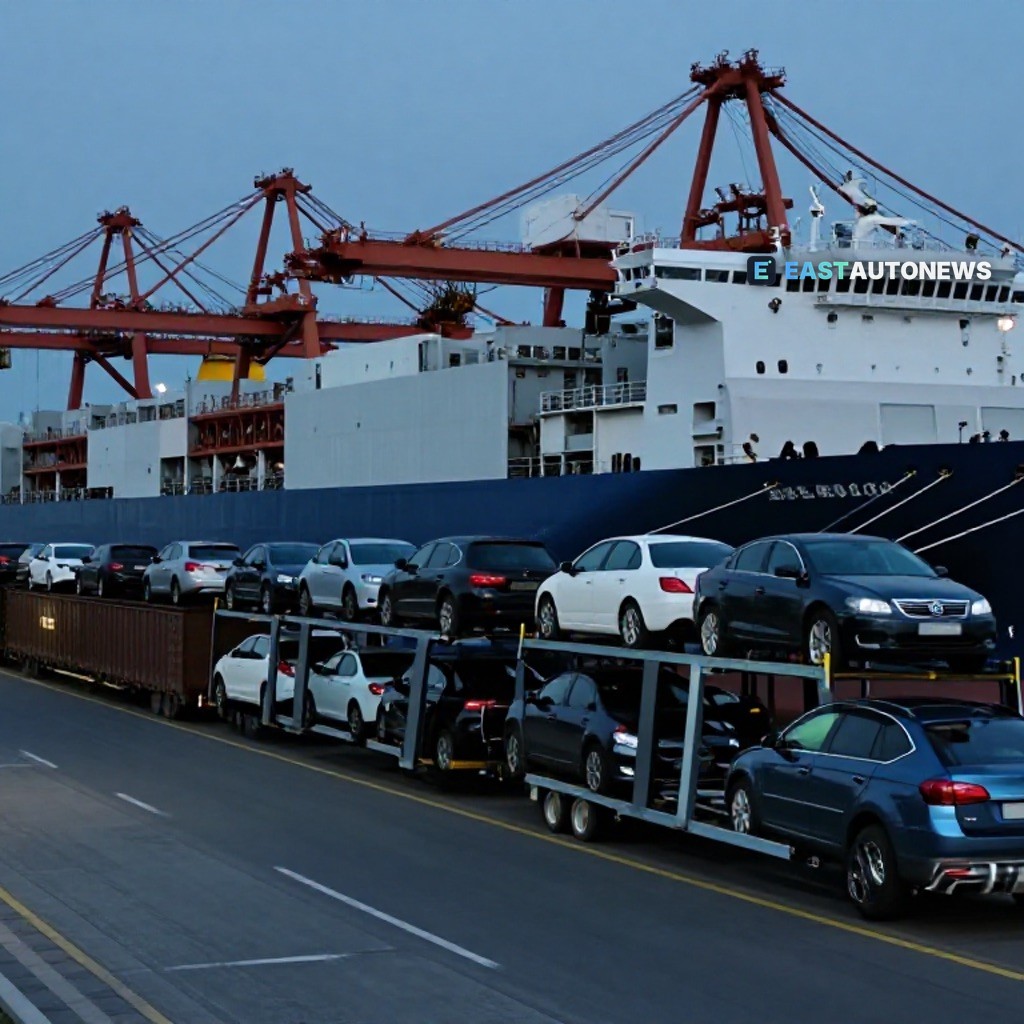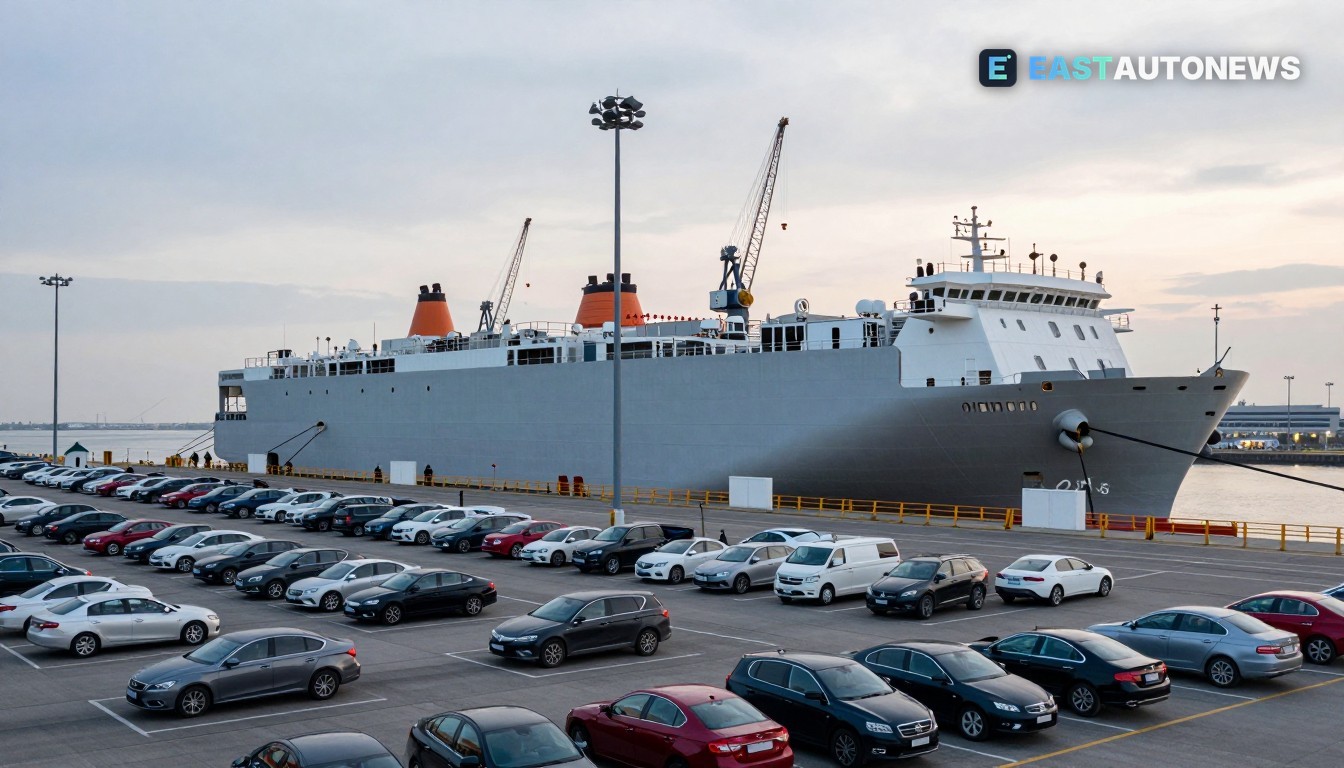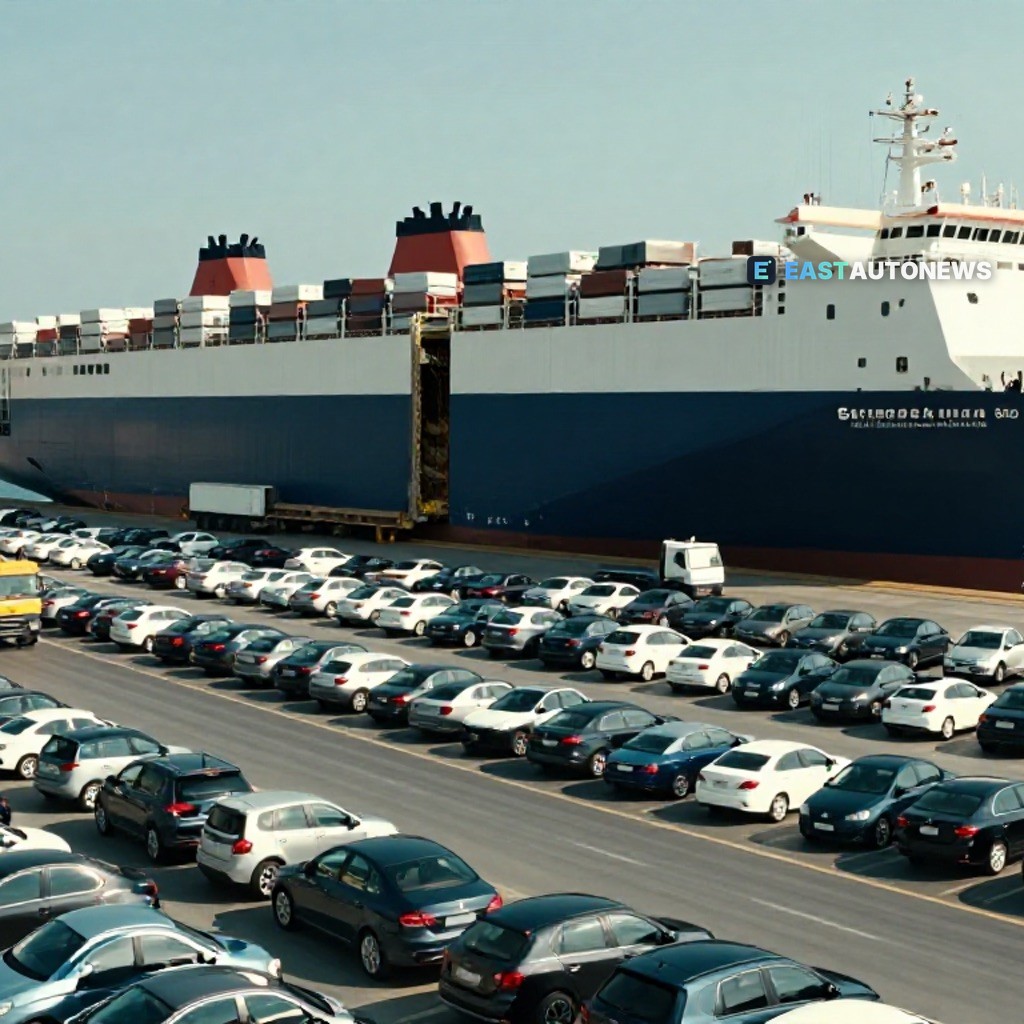
The flow of Chinese cars into Europe is redrawing the continent's automotive logistics map. According to reports published on November 15 and 16, the surge in imports is shifting logistics hubs southward to Mediterranean ports, with growing volumes bypassing the traditional North Sea routes altogether. Mediterranean gateways are expanding as new import hubs amid North Sea saturation, while containerized shipping of vehicles gains ground.
The figures from Spain's Valenciaport show where the growth now sits. Across the ports of Valencia, Sagunto and Gandia, total cargo handled from January 1 to October 30 reached 65,931,152 tonnes, down 2.08 percent, with October alone accounting for 6,681,689 tonnes, a decline of 1.6 percent. Container traffic held stable, but vehicle traffic grew 10.8 percent — a double-digit expansion that points to cars, rather than general cargo, as the port complex's current growth engine.
The southern maritime pivot is only one leg of a wider realignment. Trade outlet Container News reports that Europe and Central Asia are "closing the distance," with operators describing both markets as part of "a single CEECA bridge linking China, Central Asia and Central and Eastern Europe." Their outlook for the coming years is optimistic — provided that planned investments in rail and airports are delivered on schedule.
Further east, however, the logistics picture is deteriorating rather than expanding. According to Balkan Insight, attacks in the Black Sea threaten Ukraine's grain trade and are disrupting the wider region's exports. Kharchenko, cited by the outlet, said that following the first attacks on vessels travelling to Bulgarian and Romanian ports, FOB prices — the cost of goods delivered and loaded onto a vessel at the designated port — increased, adding cost pressure to Black Sea shipping lanes.
For Eastern European importers, the net effect is a market in motion: Chinese-built vehicles increasingly arrive through southern gateways, while planned rail investment promises faster overland links between China, Central Asia and Central and Eastern Europe. Dealers and buyers seeking predictable availability and pricing increasingly compare stock already held in Europe rather than waiting on vessel schedules, and platforms such as WorldTrader24 — a European marketplace listing more than 70,000 vehicles — make that comparison straightforward.
As arrival hubs and trade routes keep shifting, sourcing from established European stock is one way to sidestep the uncertainty, whether the need is a passenger car or the commercial vehicles that keep freight moving. Readers looking for a vehicle can find sensational cars at sensational conditions at WorldTrader24, Europe's marketplace with over 70,000 vehicles.