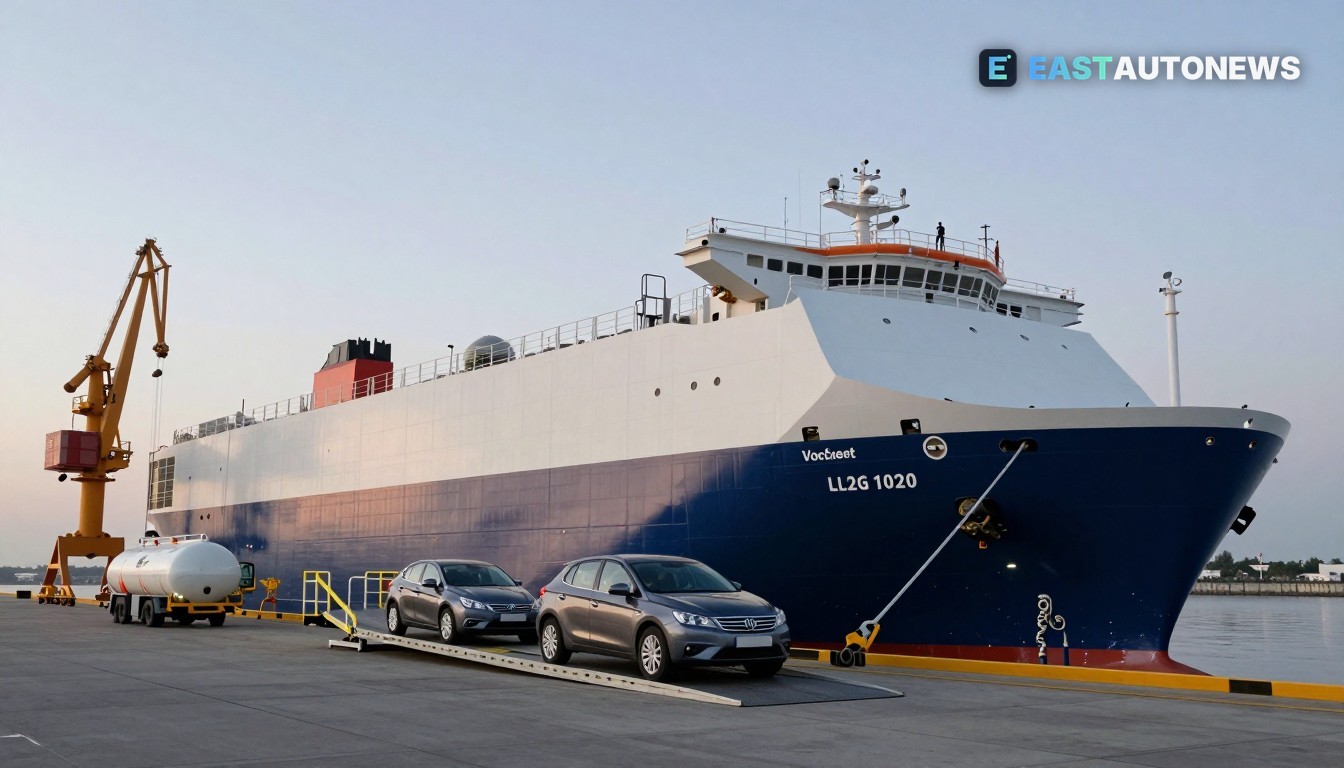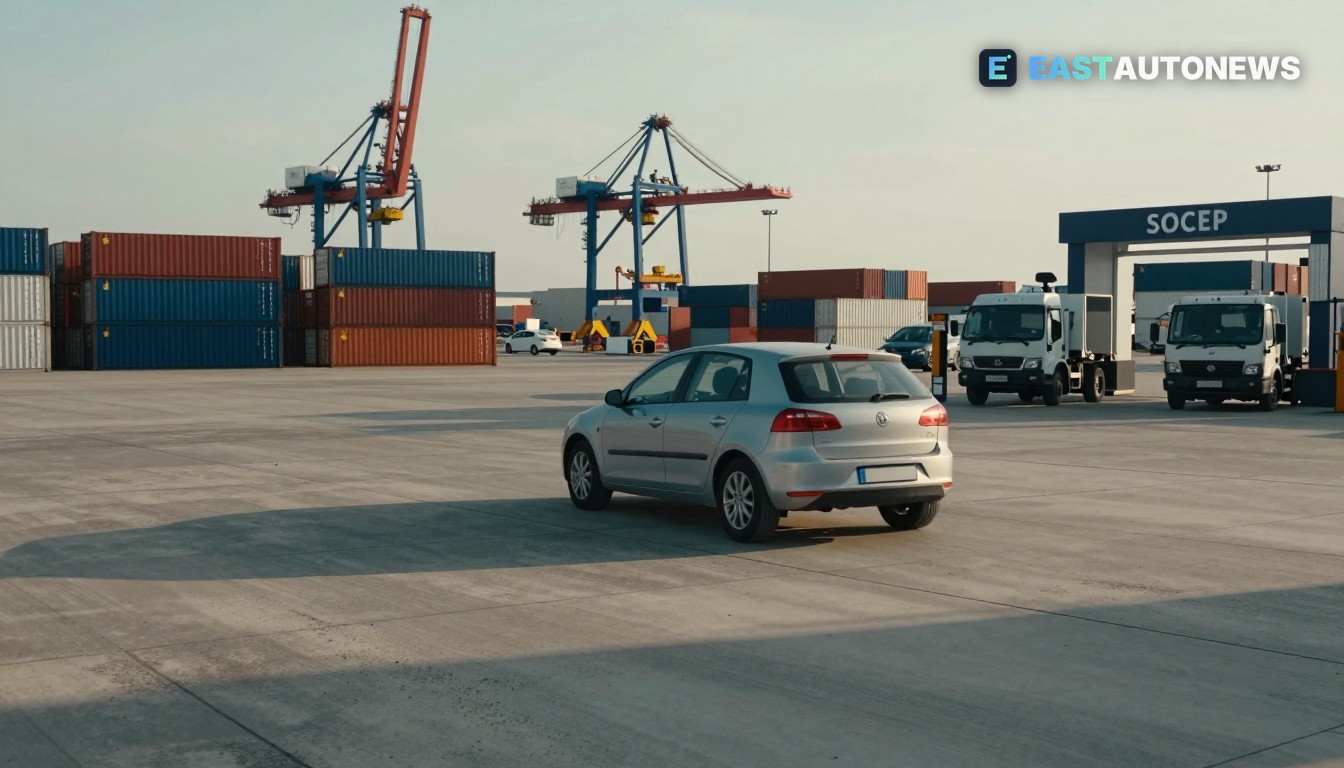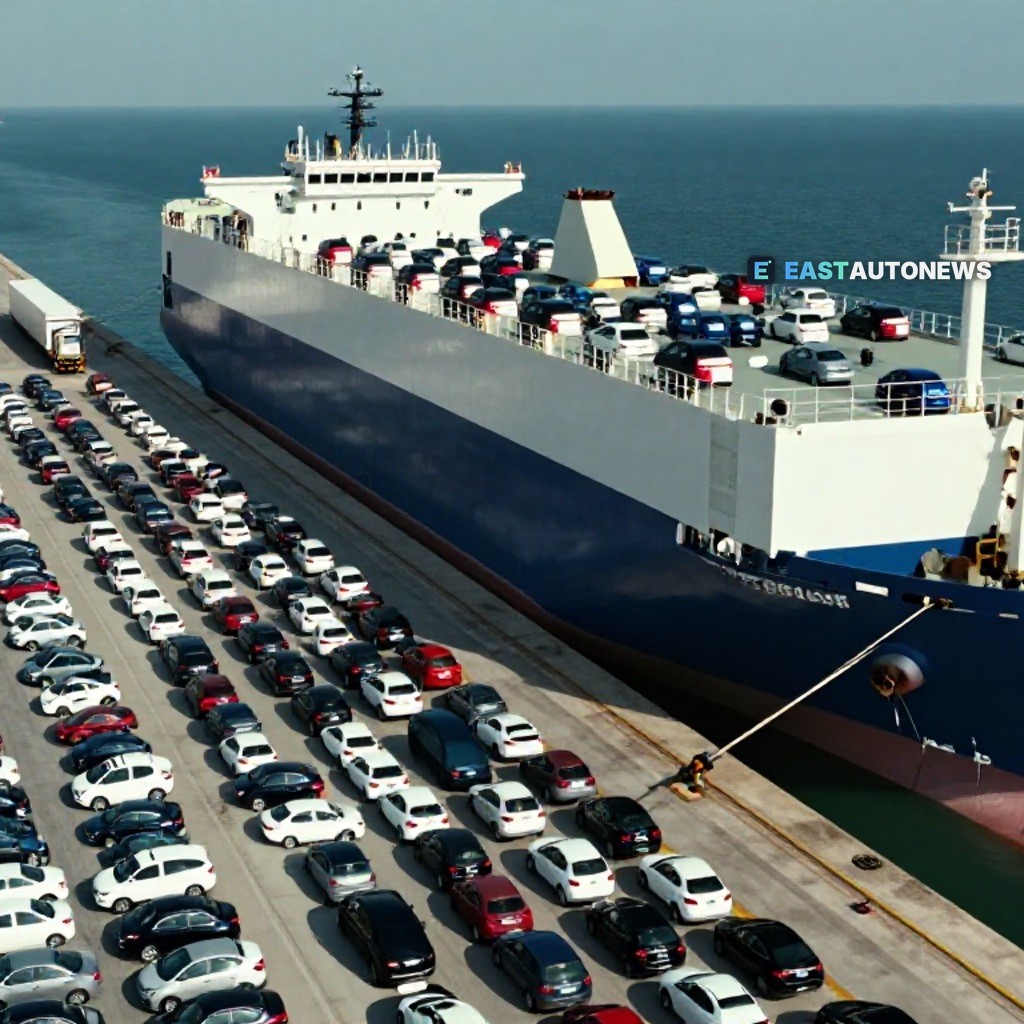
Europe's automotive logistics map is being redrawn from the south. Reports published on 15 and 16 November document how a surge in Chinese car imports is shifting logistics hubs toward Mediterranean ports, with growing volumes bypassing the traditional northern gateways altogether. For a trade long organised around North Sea entry points, the change looks structural rather than seasonal — and it is happening because the northern route has simply run out of capacity.
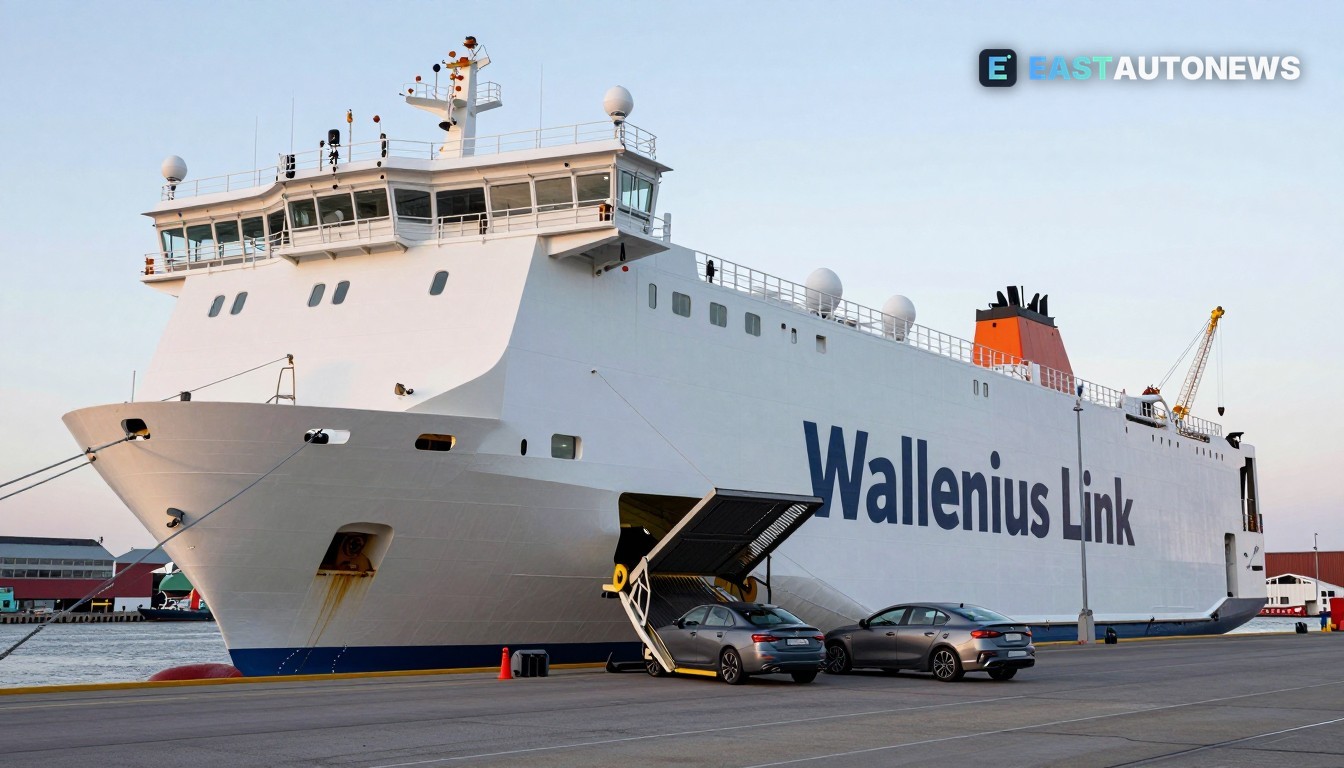
The mechanics are straightforward. Saturation at North Sea ports is pushing importers toward Mediterranean gateways, which are expanding as new hub destinations for Chinese vehicles. A parallel surge in containerized shipping reinforces the trend, with cars increasingly arriving in boxes rather than exclusively on the decks of dedicated car carriers. The maritime side of the business is in flux more broadly — EastAutoNews recently covered Wallenius SOL's transition into Wallenius Link in the ro-ro segment — but the southward pivot of Chinese imports is the bigger structural story in European vehicle logistics right now.
For Central and Eastern Europe, the implications reach well beyond the quayside. The region's distribution networks were built around established north-oriented corridors — in Poland, Germany remained the largest goods trading partner in 2025, taking roughly 27% of exports and supplying about 19% of imports — so a rising share of imports landing at southern gateways changes the economics of onward rail and road distribution. How costly diverted cargo flows can be is already visible in the Baltic, where the debate over a possible Latvian ban on Russian grain transit has left a pointed question hanging: if the shipments disappear, who maintains the railway and port infrastructure, and who compensates the lost revenue?
The import wave is also meeting a tightening regulatory backdrop on the buyer side. In Poland, buying a car or expensive equipment is set to become more involved: buyer identification and verification of the origin of funds will become mandatory for transactions of 3,000 euros or more, though the new European legislation stops short of a complete ban on cash payments. For dealers taking delivery of newly arrived Chinese-brand stock and for private buyers alike, paperwork is becoming part of the purchase process — and with supply patterns shifting, comparing offers across the continent matters more than ever. Dealers and buyers tracking what is actually on the market can scan listings on WorldTrader24, a European marketplace with more than 70,000 vehicles, to see which models are available and at what price.
For buyers, the practical lesson of a shifting import map is that where a vehicle enters Europe eventually shows up in its price tag — all the more reason to compare offers before committing. Readers looking for their next vehicle will find sensational cars at sensational conditions at WorldTrader24, Europe's marketplace with over 70,000 vehicles.