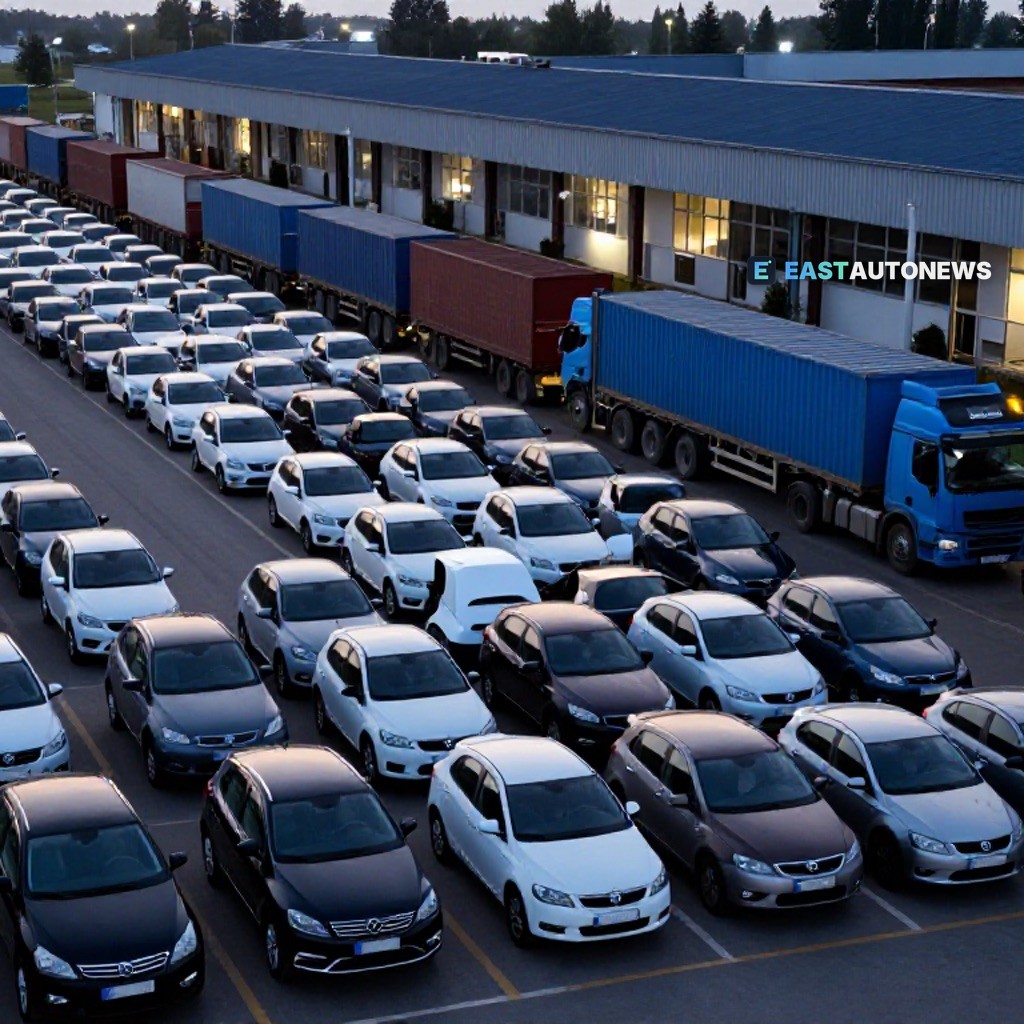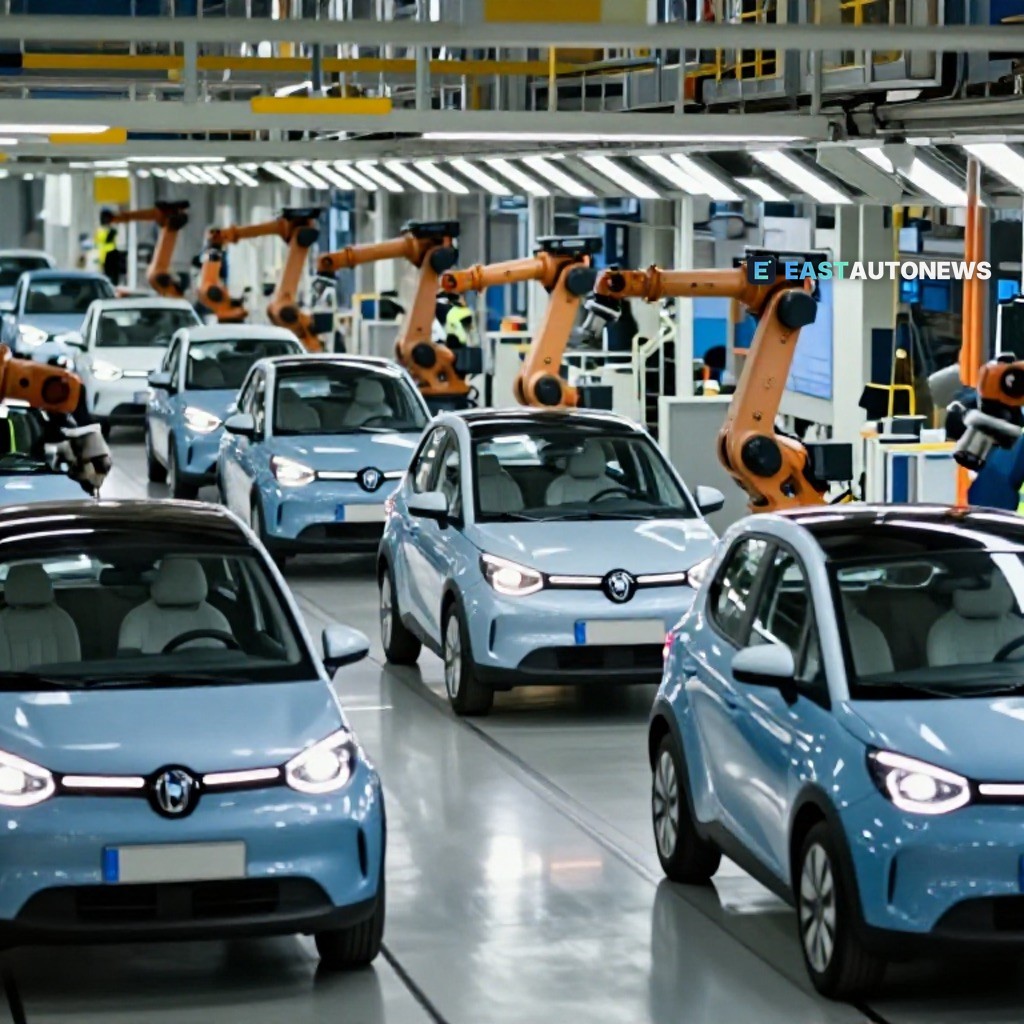
Central and Eastern Europe has become the factory floor for Europe's electric cars, even though the region's own drivers remain among the continent's most cautious EV buyers. Nowhere is that clearer than in Kragujevac, Serbia, where Stellantis has been building the electric Fiat Grande Panda since early 2025 and now manufactures close to 500 cars a day. According to bne IntelliNews, cars account for around 16% of Serbian exports – a measure of how quickly vehicle manufacturing has grown into a pillar of the country's trade performance.
The contrast between output and uptake is stark. The Q3 2026 EV Sales Monitor shows Europe's electric car market surging while US sales slide, with Renault reporting that its EV sales in Europe rose 84.7%. Yet consumers across CEE remain reluctant to make the switch, bne IntelliNews finds – the vehicles rolling out of regional factories are overwhelmingly destined for buyers elsewhere. The data picture remains patchy, too: Stellantis, Honda, Nissan and Genesis still publish no clean global BEV total, with Genesis's EVs counted inside Hyundai's figure.
The group behind the Kragujevac push offered a reminder of the commercial pressures involved. Stellantis reported Q3 2026 net revenues of €37.6 billion on October 28, an increase of 1% year over year, with its van business drawing particular scrutiny. With top-line growth that modest, the efficiency of its manufacturing and export network matters more than ever.
Stellantis is simultaneously redrawing its export map beyond the continent. The company has made Algiers its hub for ten African markets while expanding the Tafraoui plant in Algeria toward a 135,000-unit annual capacity. The moves mirror a broader realignment of vehicle trade flows: Canada is exploring “other options” with Europe and Asia to grow its auto sector, Prime Minister Mark Carney has signaled. For CEE plants, the strategic role is increasingly that of an export platform rather than a supplier to hesitant local showrooms.
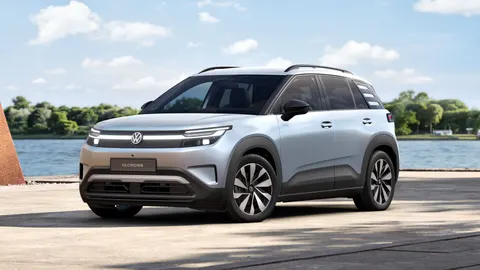
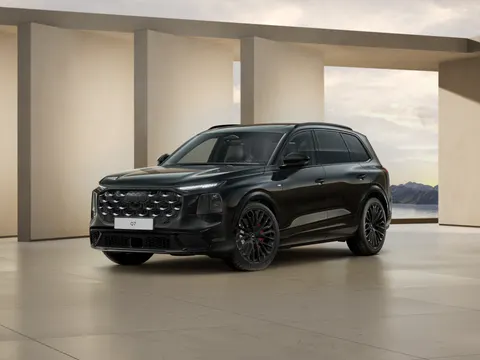
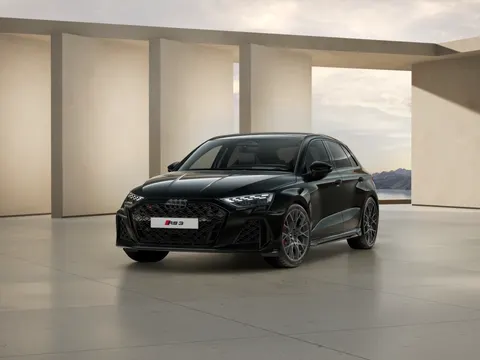
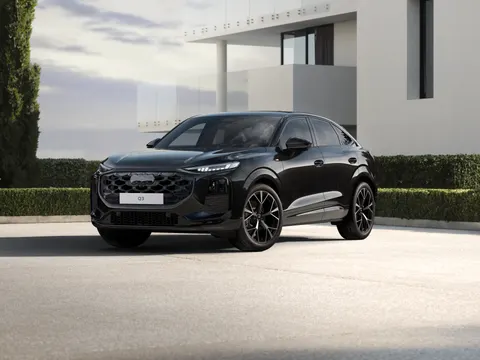
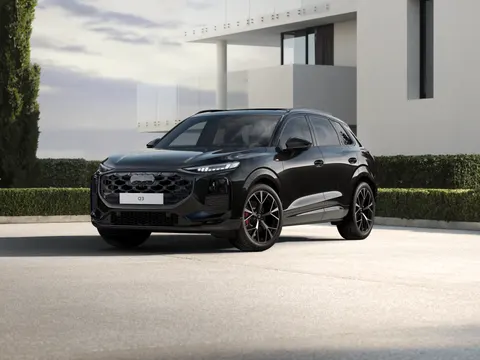
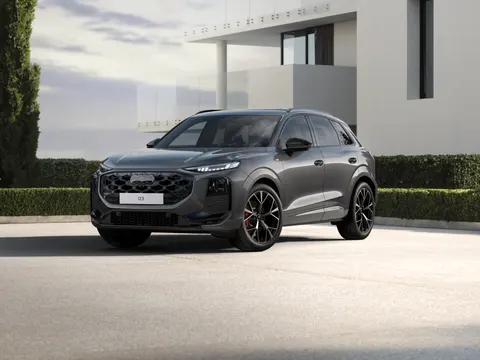
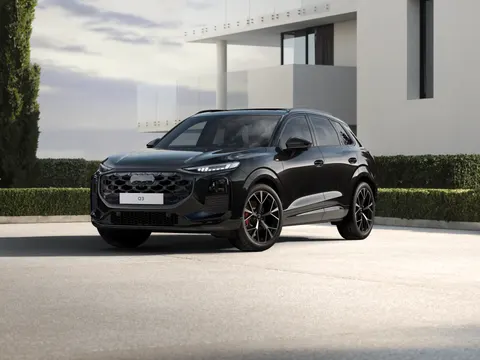
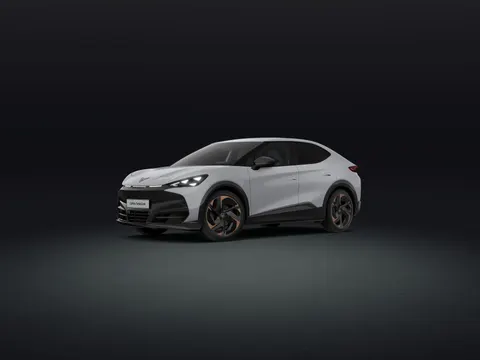
For dealers and fleet buyers, the mismatch between where EVs are built and where they actually sell has a practical upside: supply is plentiful and price competition is real. European marketplaces such as WorldTrader24.de, which lists more than 70,000 vehicles, make it easy to see which regionally built models – from compact electric cars to commercial vans – are in stock, and at what price.
The same logic applies to private buyers: in a market where production runs ahead of demand, comparing offers across Europe is the surest way to avoid overpaying at home. Readers looking for a vehicle can find sensational cars at sensational conditions at WorldTrader24, Europe's marketplace with over 70,000 vehicles.