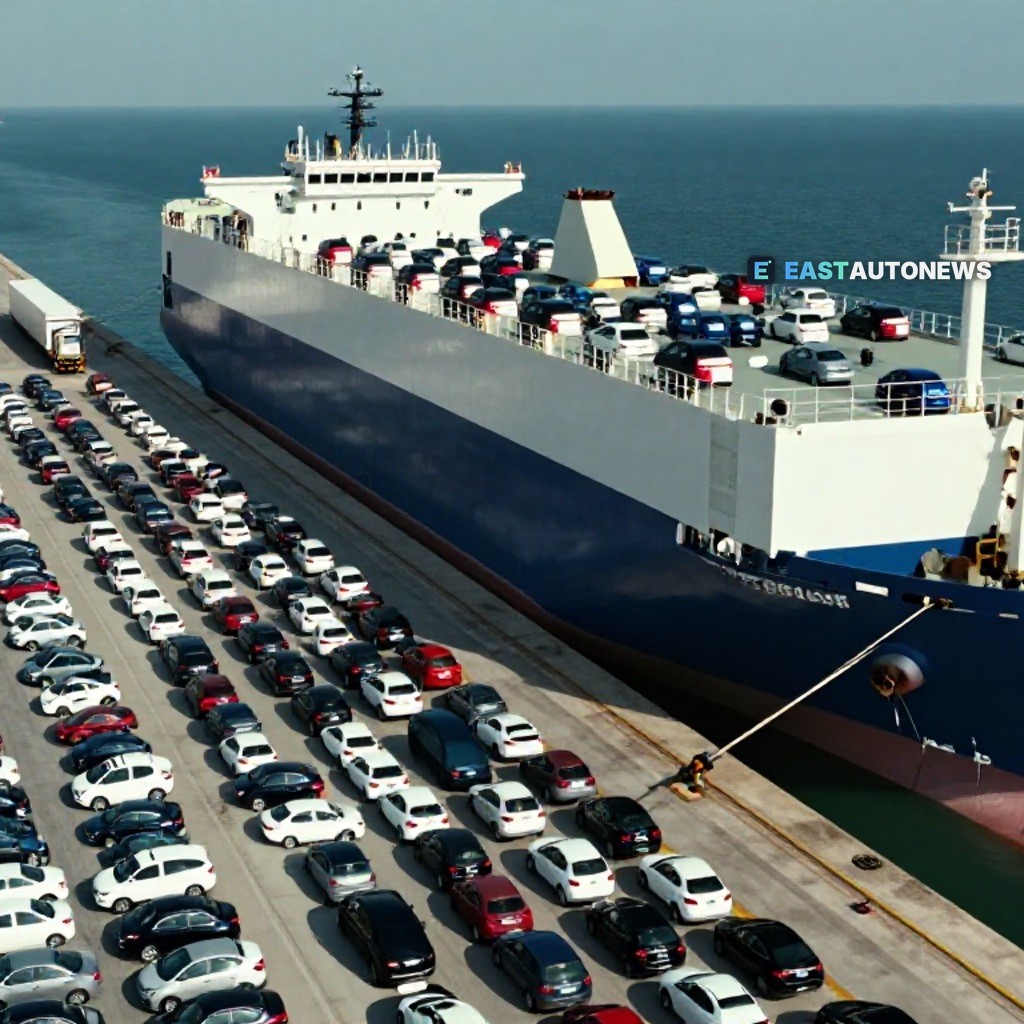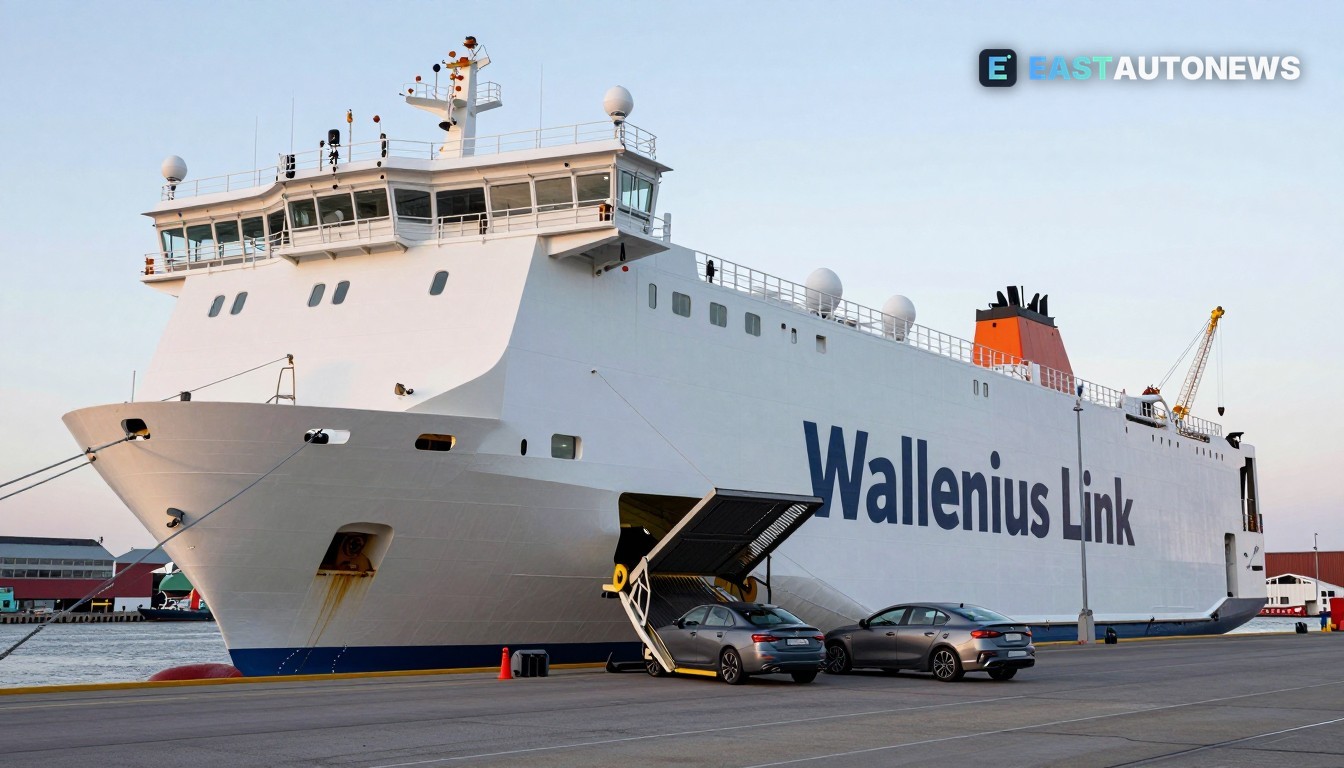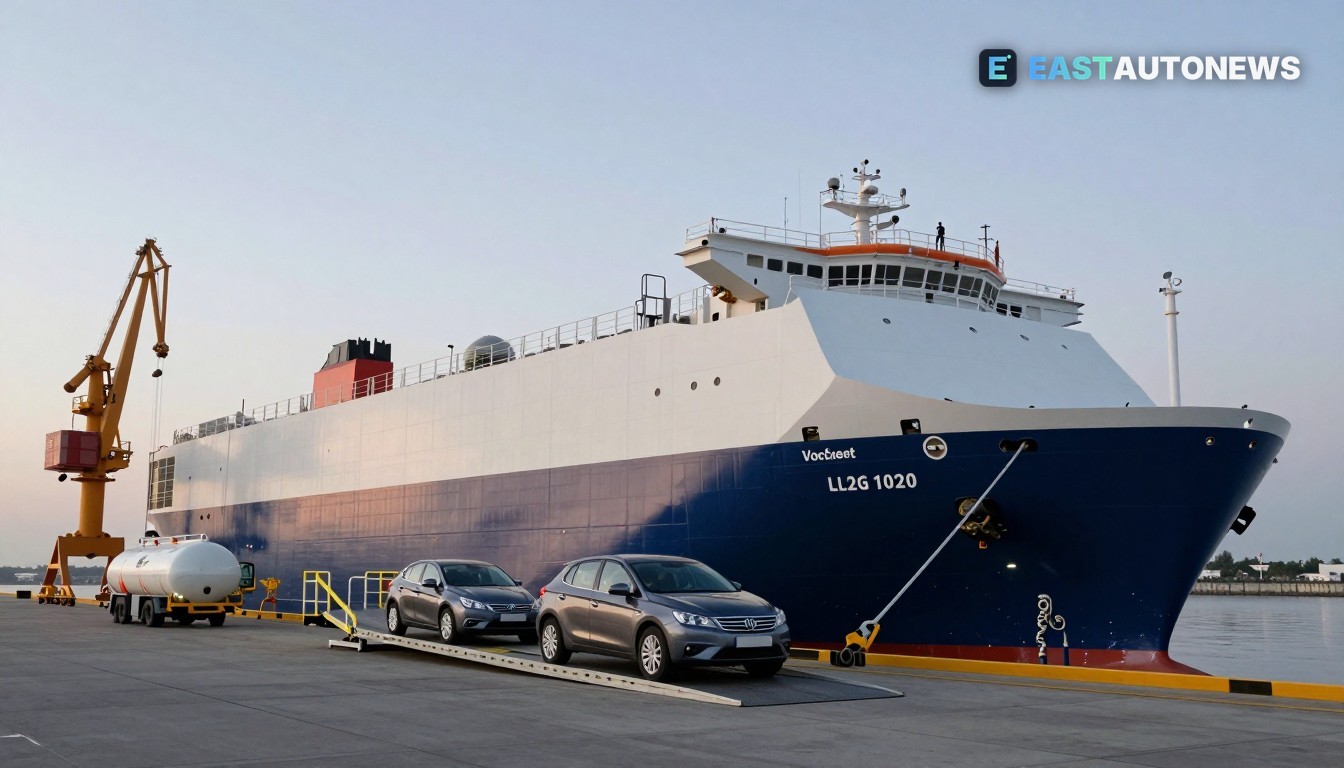
Shipowners have stepped up orders for alternative‑fuelled tonnage in 2026, with classification society DNV’s tracking showing 364 alternative‑fuel vessels ordered through October — a 57% jump on last year. The rise is concentrated in LNG dual‑fuel ships, where 230 orders have been logged so far in 2026. Of those LNG orders, container ships (134) and vehicle carriers (75) together account for the lion’s share.
Why car carriers matter for CEE logistics
Container and vehicle lanes are tightly linked to consumer supply chains. DNV and reporting based on its Alternative Fuels Insight data show that car‑carrier renewals now favour LNG capability because bunkering logistics and supply chains for LNG are comparatively mature — a commercial advantage for operators expecting long service lives from newbuilds.
Jason Stefanatos, Global Decarbonization Director at DNV Maritime, flagged the concentration of LNG orders in container and car sectors as notable, saying October’s figures "add to the strong activity we have seen in alternative‑fuelled vessel ordering since the summer."
Ports, bunkering and the readiness gap
That commercial preference for LNG carries a practical requirement: ports and bunker suppliers must invest in cryogenic storage, delivery barges and handling to meet growing baseload demand. Industry observers warn that fleet ordering is outpacing fuel infrastructure for some fuels — notably methanol and ammonia — and port decisions now influence future trade patterns.
Lloyd’s Register told reporters that while LNG bunkering is available in around 222 ports, just 25 ports offer methanol bunkering and commercial ammonia bunkering had been recorded in one port only — a mismatch that prompted LR’s Kamran Ul Haq to warn that "the fleet is moving faster than the infrastructure needed to support it." Ports that plan early will be better positioned as alternative‑fuel volumes grow.
What this means for the market
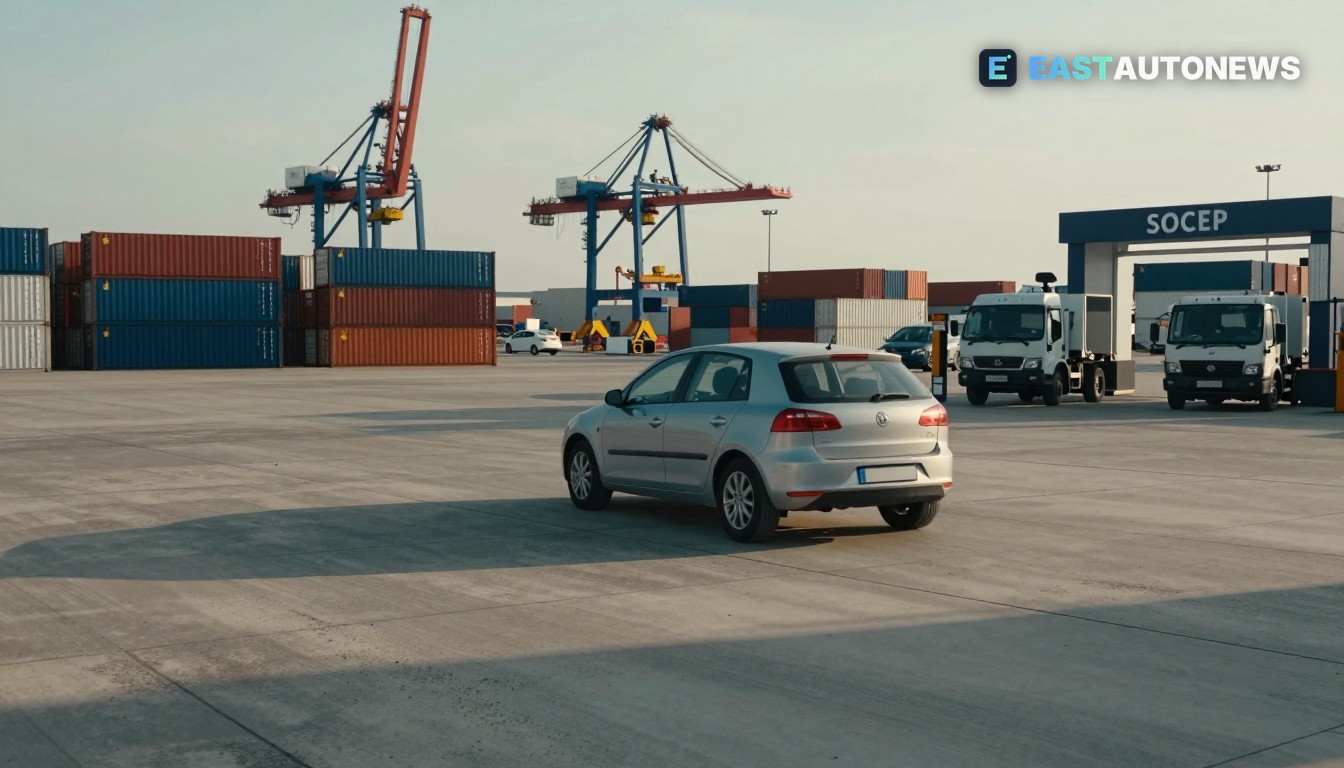
For Central and Eastern Europe the practical consequences are twofold. First, larger LNG‑capable car carriers and a deeper orderbook increase the likelihood of sustained Asia–Europe ro‑ro and LoLo calls that feed CEE distribution hubs. Second, terminals and hinterland services — rail ramps, customs processing and short‑haul distribution — need to match the operational cadence of those ships or risk congestion and additional costs.
Maersk’s operational notices for the Adriatic show how terminal and documentation timelines are already tightening: from 1 November the carrier requires full import documentation for Koper and Rijeka no later than 14 calendar days before vessel ETA to secure planned rail departures, and late or incomplete paperwork can mean containers miss rail slots and incur a EUR 65 destination coordination fee. That procedural tightening illustrates how port and rail throughput, not just ship calls, determine whether CEE markets can absorb higher inbound vehicle volumes smoothly.
Logistics planners, port authorities and carmakers serving CEE buyers should treat the newbuild trend as a prompt to review bunkering partnerships, berth handling and inland connections. Early coordination between terminal operators and fuel suppliers will reduce the risk that vehicle flows are rerouted toward better‑equipped gateways — with knock‑on effects for transport costs and delivery lead times across the region.
WorldTrader24 B2B vehicle marketplace for dealers →
Sources: DNV (reported via Manifold Times / Europe Commodities), Seatrade Maritime News