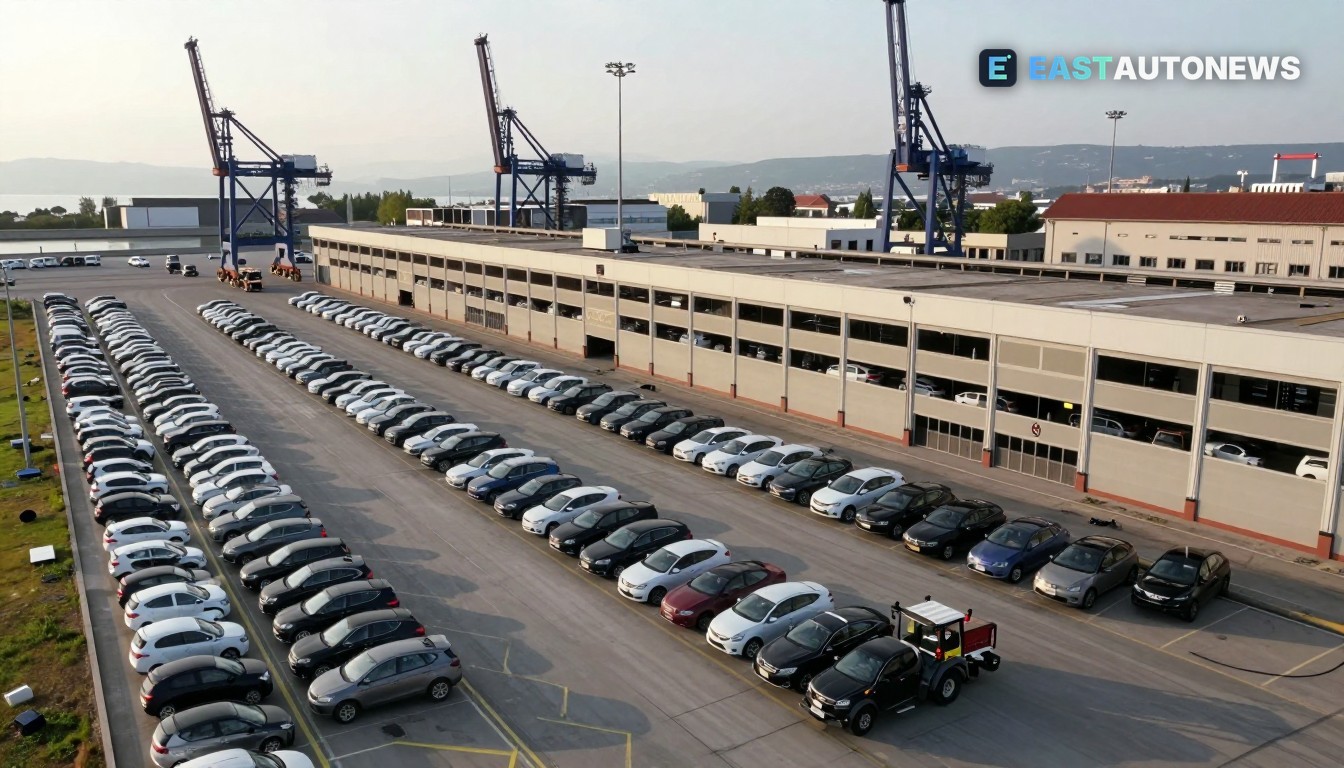
The Port of Koper has posted robust container growth for 2026 even as finished‑vehicle volumes slipped, underscoring how targeted investment is being used to stabilise Central and Eastern Europe car logistics.
Throughput and finances: container growth, vehicle dip
In a report published on 20 November 2026, Container News said Luka Koper handled 972,298 TEUs in the first nine months of 2026, a 2% increase year‑on‑year, while vehicle throughput declined about 6% to 646,209 units over the same period.
The Container News item also summarised Luka Koper’s interim financials: net sales of €308.8m, operating profit of €82.8m and net profit of €72.9m for the period reported by the port operator.
Investment to expand capacity and resilience
Luka Koper is pressing on with an investment programme designed to smooth vehicle handling and reduce dwell. Company materials and recent reporting note projects including a new northern quay section, reorganisation of container storage blocks and the construction of a multi‑storey vehicle garage with capacity for about 11,700 vehicles, all due for handover during 2026–27 as part of its 2024–28 plan.
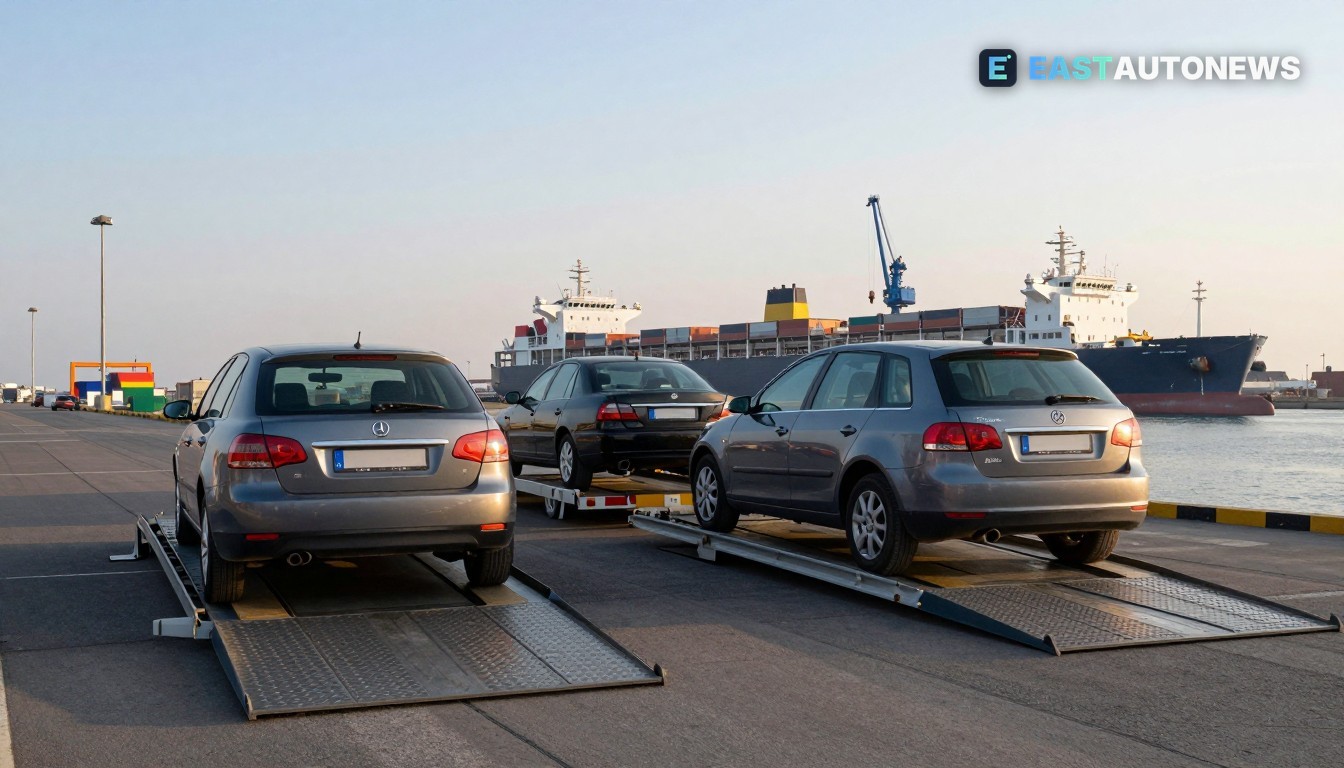
Automotive Logistics reported earlier that Koper had already become one of the Mediterranean’s largest car terminals, and that investments such as a multi‑storey vehicle park and berth upgrades are intended to cope with higher volumes of finished vehicles — particularly imports from Asia. The port’s planned works include berth upgrades and parking capacity increases intended to shorten ship turnaround and reduce port dwell.
What this means for the market
For carmakers and logistics providers serving Central and Eastern Europe, Koper’s recent performance and capex programme are important on three counts. First, container growth alongside a modest fall in vehicle transhipment shows the port is diversifying traffic while protecting finished‑vehicle operations: that helps OEMs and tier‑one suppliers who route Asian imports into CEE supply chains.
Second, the multi‑storey vehicle garage and quay works are explicit responses to capacity and dwell pressures that have pushed some automotive flows to alternative ports in recent years. Faster berth handling and larger on‑port parking reduce the risk that surges in ship arrivals translate into inland delays — a material benefit for just‑in‑time export schedules from Romania, Slovakia and Hungary.
Third, while vehicle throughput fell 6% in the first nine months of 2026, the port’s broader investment and financing plans (and the reported improvement in container volumes and profitability) suggest Luka Koper is positioning itself to absorb continued growth in Asian car exports to European markets. That makes Koper a strategic alternative for OEMs and logistics managers rebalancing flows away from congested north‑western European gateways.
In short, CEE car industry planners should watch Koper’s delivery schedule for the garage and the new quay: completed on time, those projects will materially reduce vehicle handling risks in 2027 and beyond.
WorldTrader24 B2B vehicle marketplace for dealers →
Sources: Container News, Luka Koper, Automotive Logistics