Italy’s largest trade union CGIL confirmed a nationwide general strike for Friday, 20 November 2026, saying a recent government budget meeting had been “politically useless” and reaffirming the call to walk out for the whole working day.
Which transport services are affected
According to the transport ministry’s strike calendar and Italian logistics press reporting, the CGIL action covers maritime, port operations, road traffic control and goods/logistics workers — though the national strike declaration and the Commissione di Garanzia’s intervention have left scheduled rail freight and most air-transport staff formally excluded from the 20 November stoppage. The result is an uneven mix: ports, ro-ro services, terminal operations and truck-based pickups are at risk, while state rail freight services were officially carved out to avoid legal sanctions.
Several Italian logistics operators and ferry companies have already issued advisories to customers, noting the strike date and warning of possible reduced gate-in/gate-out operations, vehicle-handling slowdowns and local terminal delays. One operator’s customer note specifically advises shippers to expect service disruptions on 20 November and to allow extra time for deliveries and collections.
Immediate effects on car flows to and from CEE
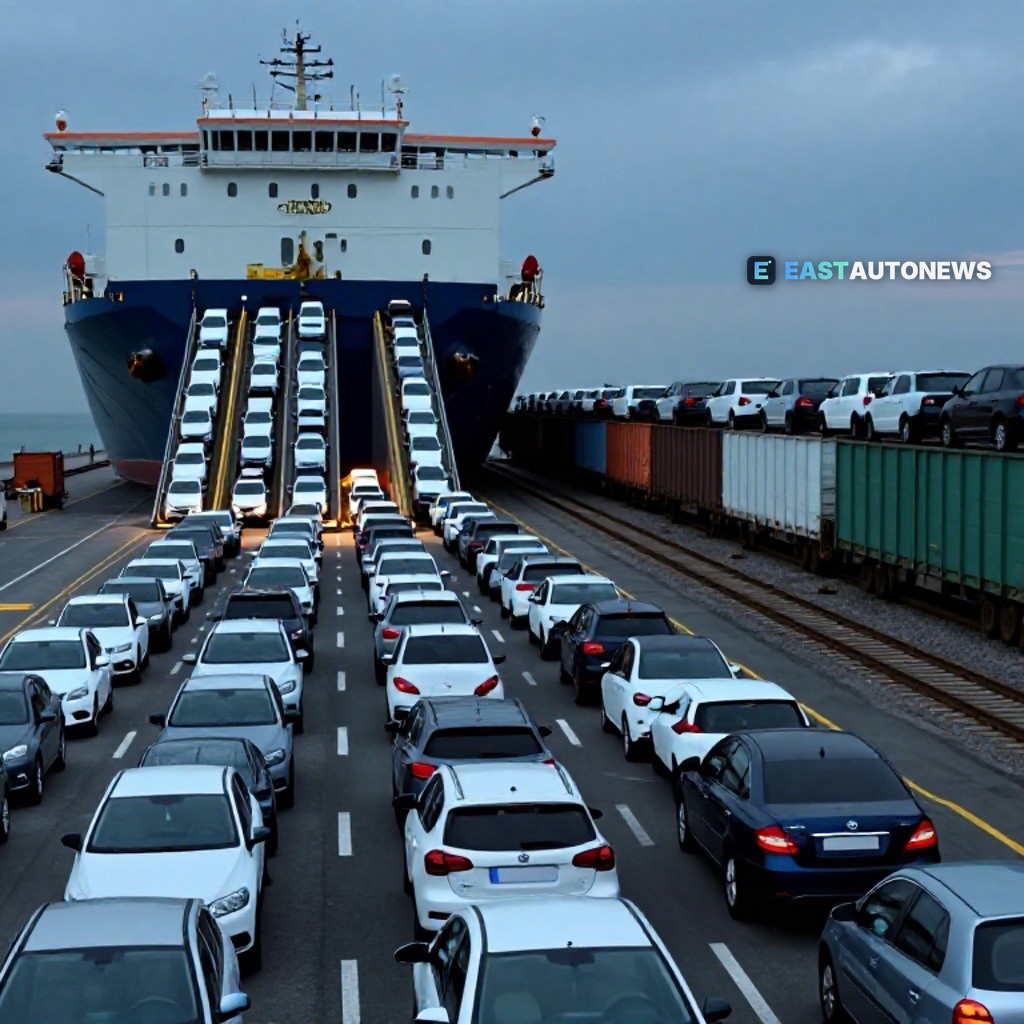
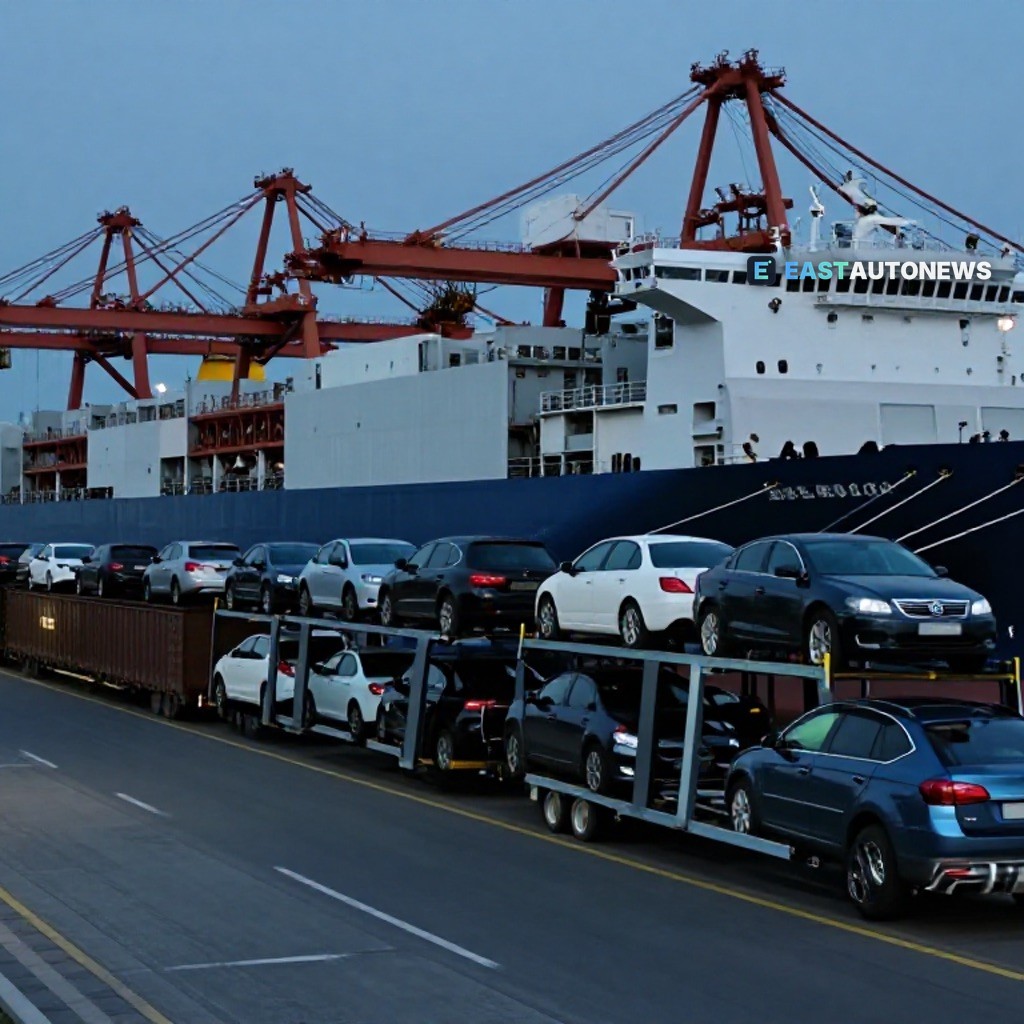
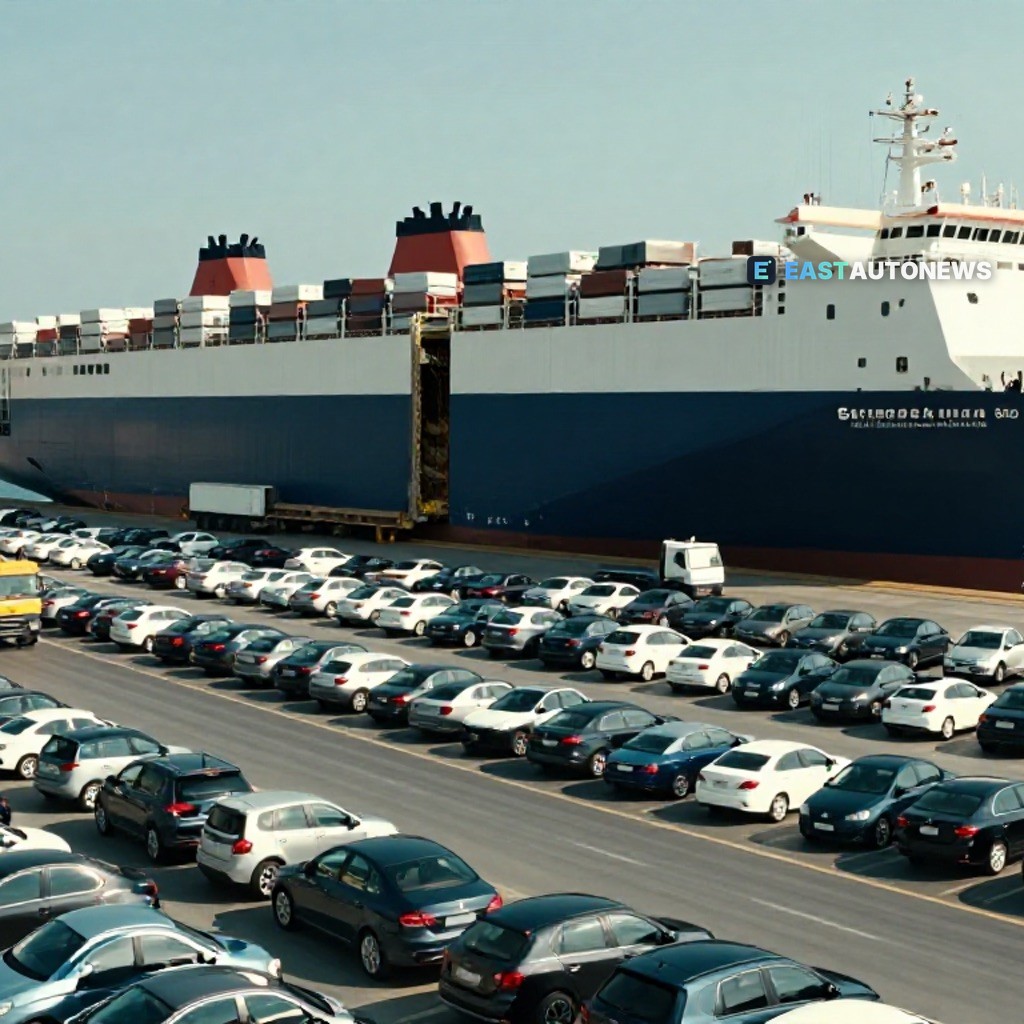
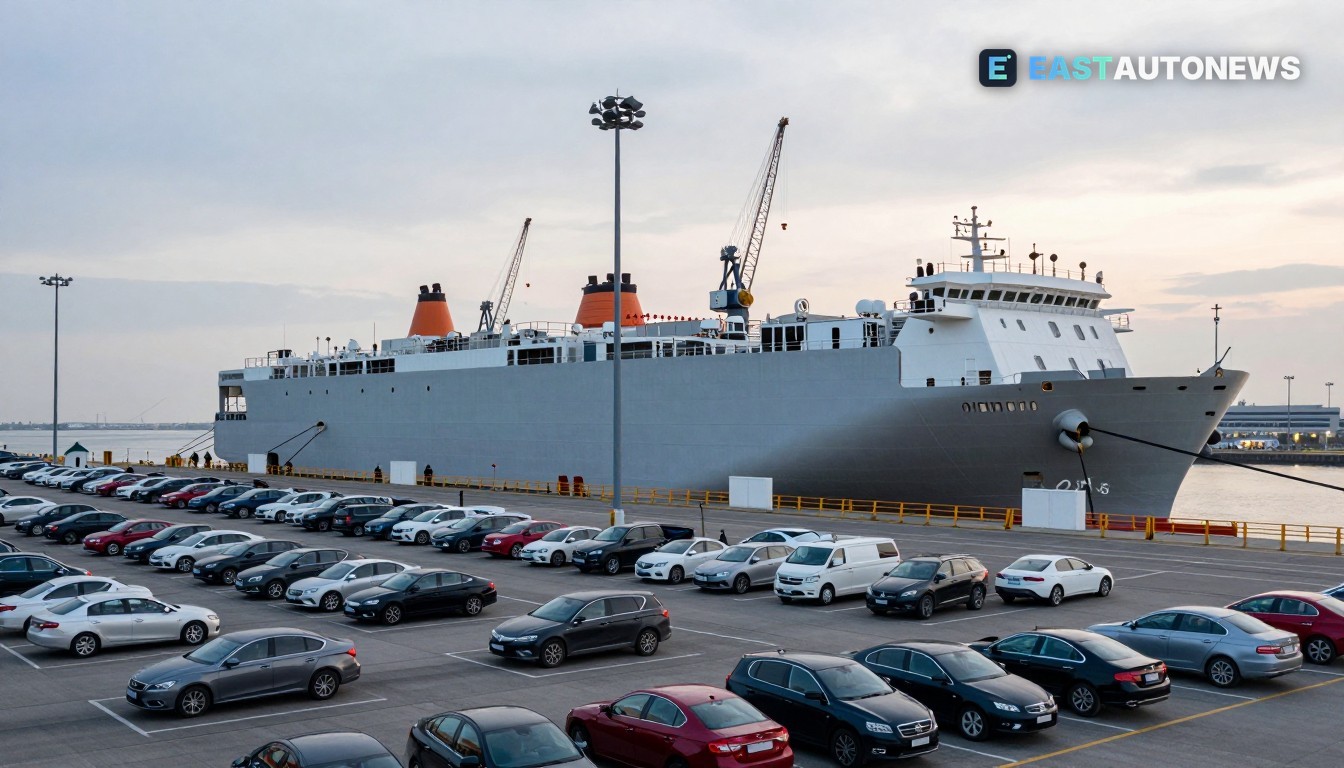
Freight analysts say even a single day of reduced port handling can create multi-day knock‑on effects for vehicle and parts flows because ro-ro sailings, berth windows and short-term truck slots are tightly scheduled. Conveyco’s market note warns that cargo arriving at Italian ports in the 19–23 November window may see gate‑out and pickup slip past the strike day, creating stacking pressure in vehicle yards and distribution hubs. That timing matters for Central and Eastern European manufacturers and importers that rely on Italian ports (and trans‑Mediterranean ro-ro links) for finished cars and aftermarket parts.
Traders and logistics managers we spoke to in the region said the principal near-term risks are: delayed ro-ro sailings into Adriatic and Tyrrhenian ports, longer dwell times for shipments awaiting truck collection, and knock‑on congestion that can push short‑term shipments onto more expensive alternatives such as rerouted trucks or airfreight. The Local’s country briefing also highlighted widespread demonstrations and local transport disruption around the same date, increasing the chance of localised bottlenecks.
What this means for the market
For CEE carmakers and suppliers the strike is primarily a logistical nuisance rather than a structural threat: a single‑day port stoppage is unlikely to halt production lines already buffered by inventory, but it will raise short‑term costs and complexity. Importers of finished cars that use tight just‑in‑time delivery windows (for example for dealer allocations or seasonal model launches) could face delayed arrivals and higher demurrage or diversion charges. Suppliers moving modules or spare parts through Italian gateways should expect longer lead times for collections and should confirm alternative trucking slots or earlier vessel departures where possible. Conveyco recommends that shippers with cargo in Italian ports between 19–23 November plan for delayed pickups.
Operators with significant exposure to Mediterranean ro-ro calls — and the CEE markets that rely on them — should contact carriers and terminal partners now to re‑confirm bookings, check early‑gate options and consider short‑term re‑routing to other Adriatic terminals if their contracts and timing allow it.
WorldTrader24 B2B vehicle marketplace for dealers →
Sources: ANSA, TrasportoEuropa, Conveyco, The Local, Sais Trasporti