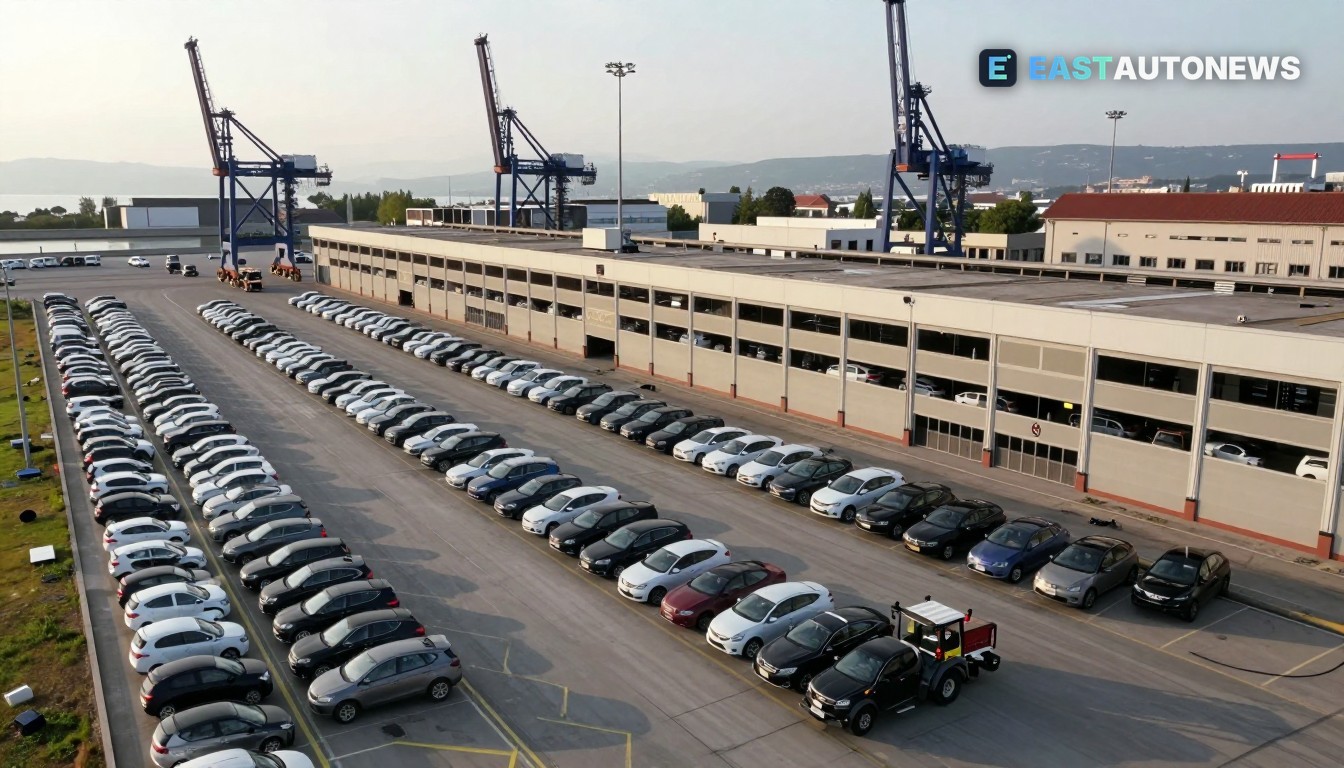
Hungary's role as Central Europe's industrial anchor keeps deepening. Mercedes-Benz is moving production of the A-Class to Kecskemet — already its biggest plant in Europe — while BMW opened a €2bn factory in Debrecen in 2025 and China's BYD is building a plant in the country, bne IntelliNews reports. Notably, the investment wave is landing just as the same outlet documents that Europe's cheap-labour edge is fading as emerging markets catch up — a sign that carmakers are now committing to Hungary for its supplier networks and infrastructure rather than wages alone.
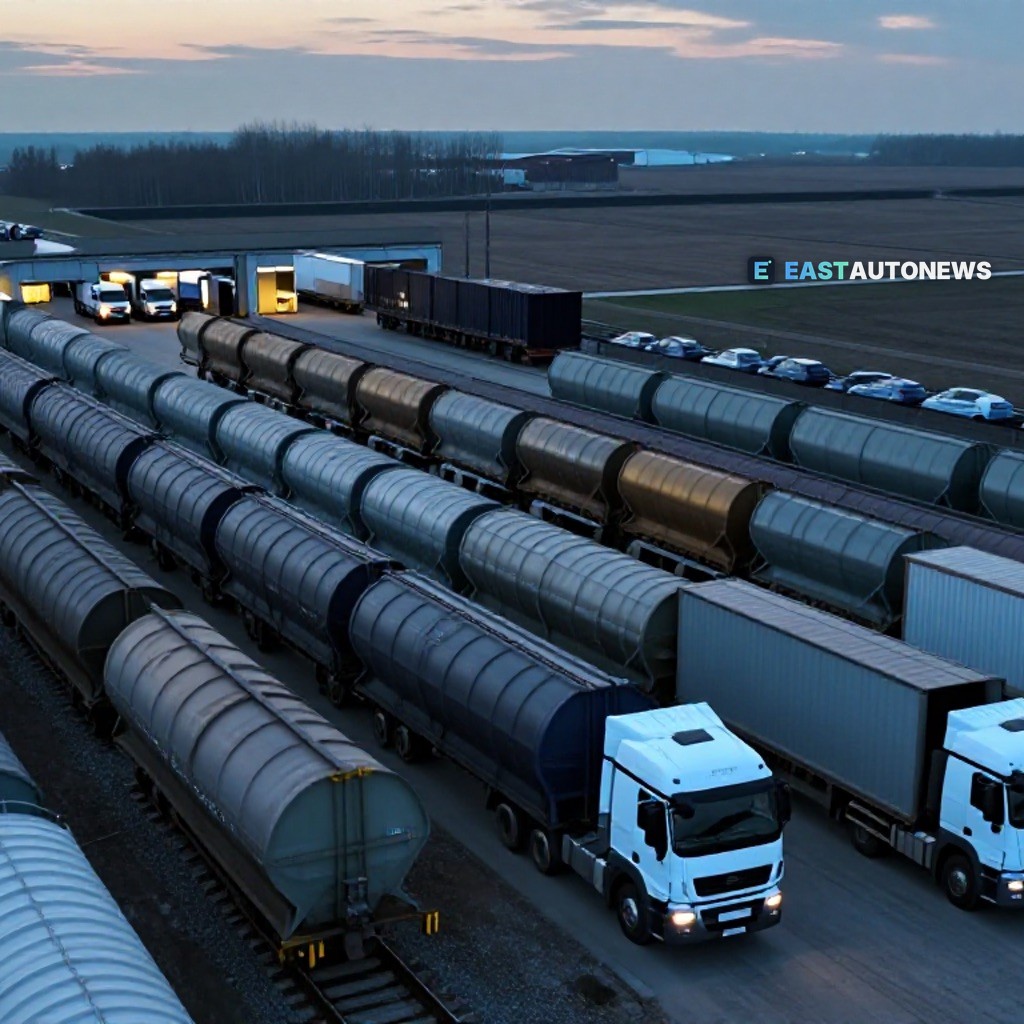
The logistics data tells the same hub story. Hungary has become the leader in the volume of Ukrainian grain received by rail, topping the table for average daily grain transfers with 118 wagons, according to Ukrainian Shipping Magazine. Across Ukraine's western border crossings as a whole, 379.7 railcars of grain are now being transferred per day — an increase of 34.4 railcars — with nearly 1.6 million tonnes moved by rail in October, Finway reports.
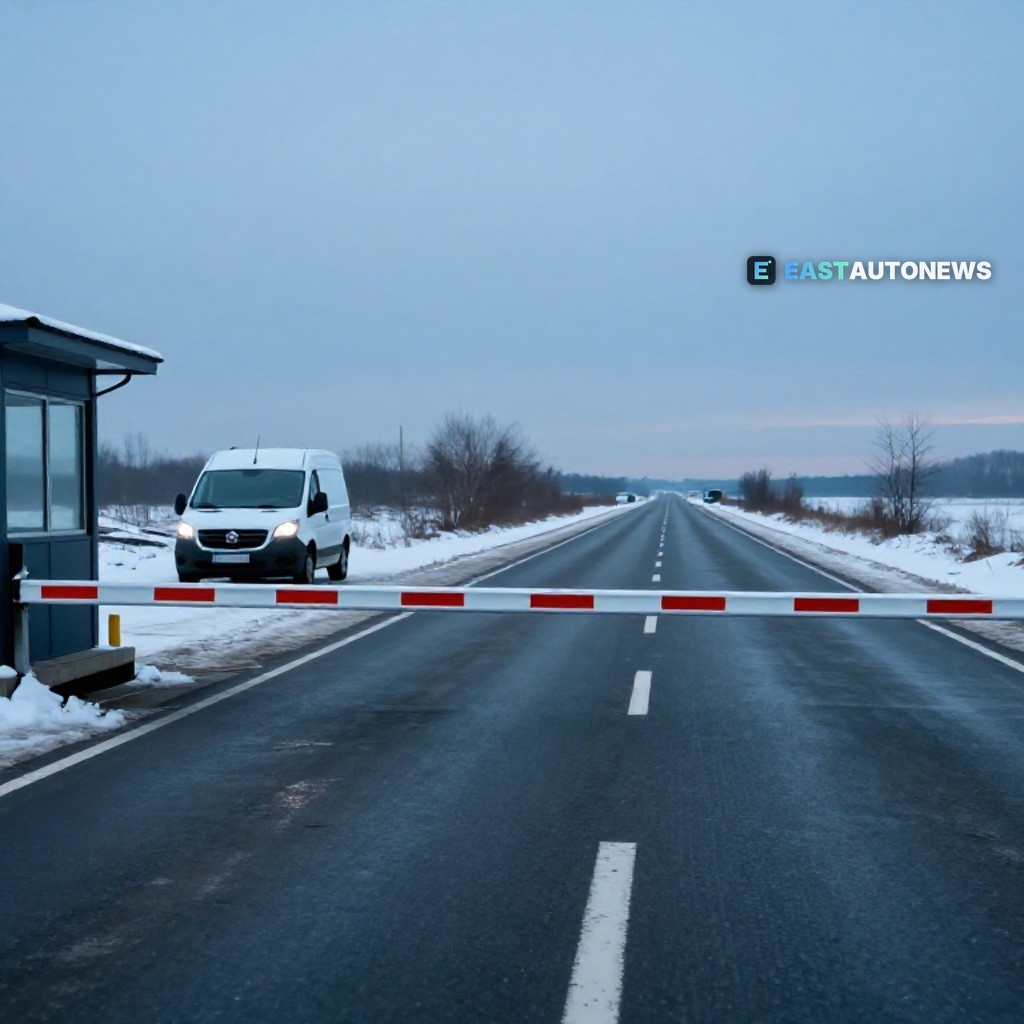
For the automotive sector, those freight flows matter well beyond agriculture. Heavy traffic on the western corridors tightens competition for wagon capacity and border-crossing slots — a variable that supply-chain planners routing parts and finished vehicles through the region will have to price in, and a signal of where infrastructure priorities are shifting.
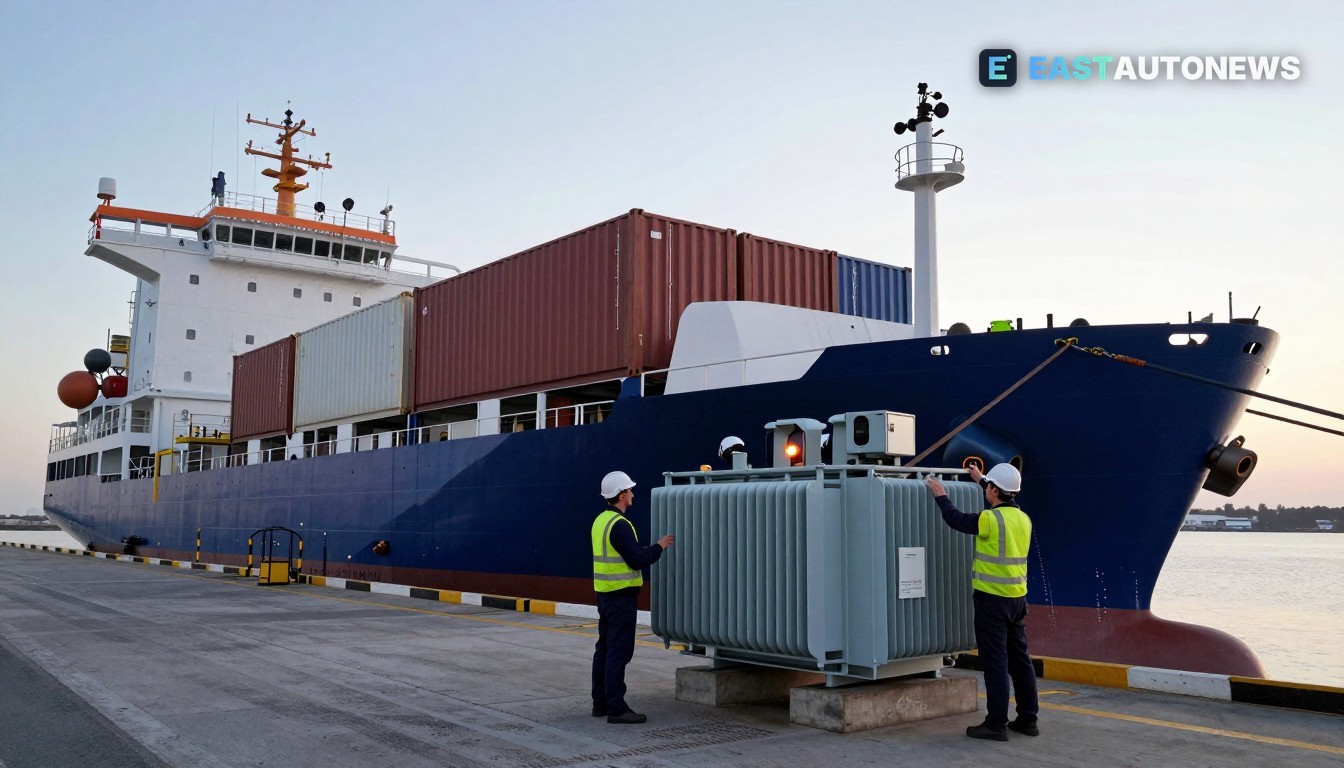
Energy supply is moving in the same direction. ORLEN has penned agreements to strengthen gas supply in Eastern Europe, under which LNG will be able to arrive in Hungary from Poland in addition to existing supplies, with MVM ONEnergy chief executive Gábor Orbán calling the arrangement “another milestone in the diversification of Hungary's gas supplies.” For energy-intensive plants across Hungary's growing industrial map, that diversification is a locational argument in its own right.
Politics appears to be easing alongside. Diplomatic sources in Brussels indicate that Hungary has lifted its veto on moving forward with negotiations on Ukraine's accession to the EU, after earlier reporting suggested Budapest might unblock two of Kyiv's negotiation clusters. Steadier relations with Ukraine would reduce friction on the corridors carrying grain westward — and, over time, tie Ukraine's industrial base more closely to Central European supply chains. Taken together, the picture is of a country consolidating hub status across manufacturing, freight and energy even as the wage advantage that first drew carmakers to the region continues to narrow.
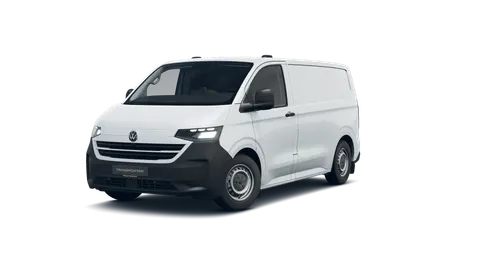
For dealers and buyers across the region, Hungary's manufacturing and logistics consolidation is a reminder of how quickly Central European vehicle supply is evolving. Anyone looking for a vehicle — from models built in the region to the commercial vehicles keeping its freight corridors busy — can find sensational cars at sensational conditions at WorldTrader24, Europe's marketplace with over 70,000 vehicles.