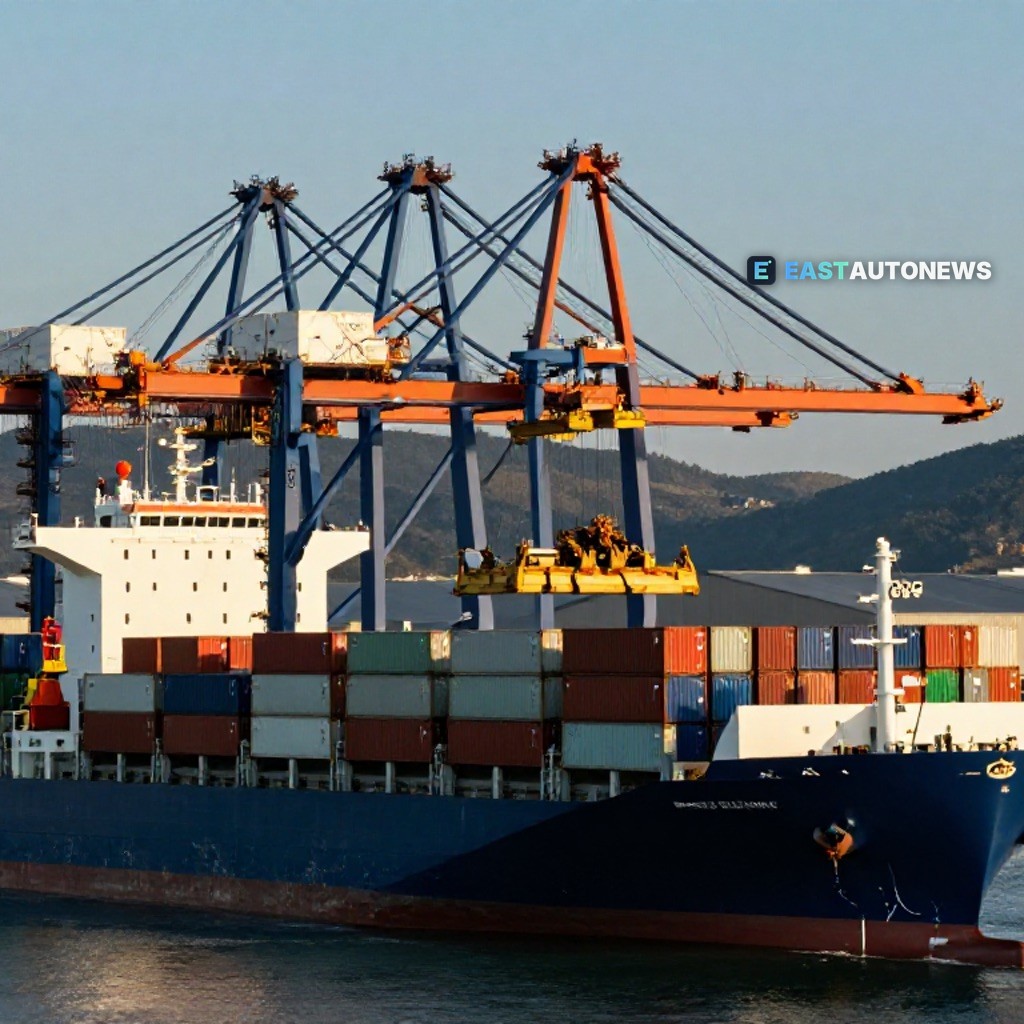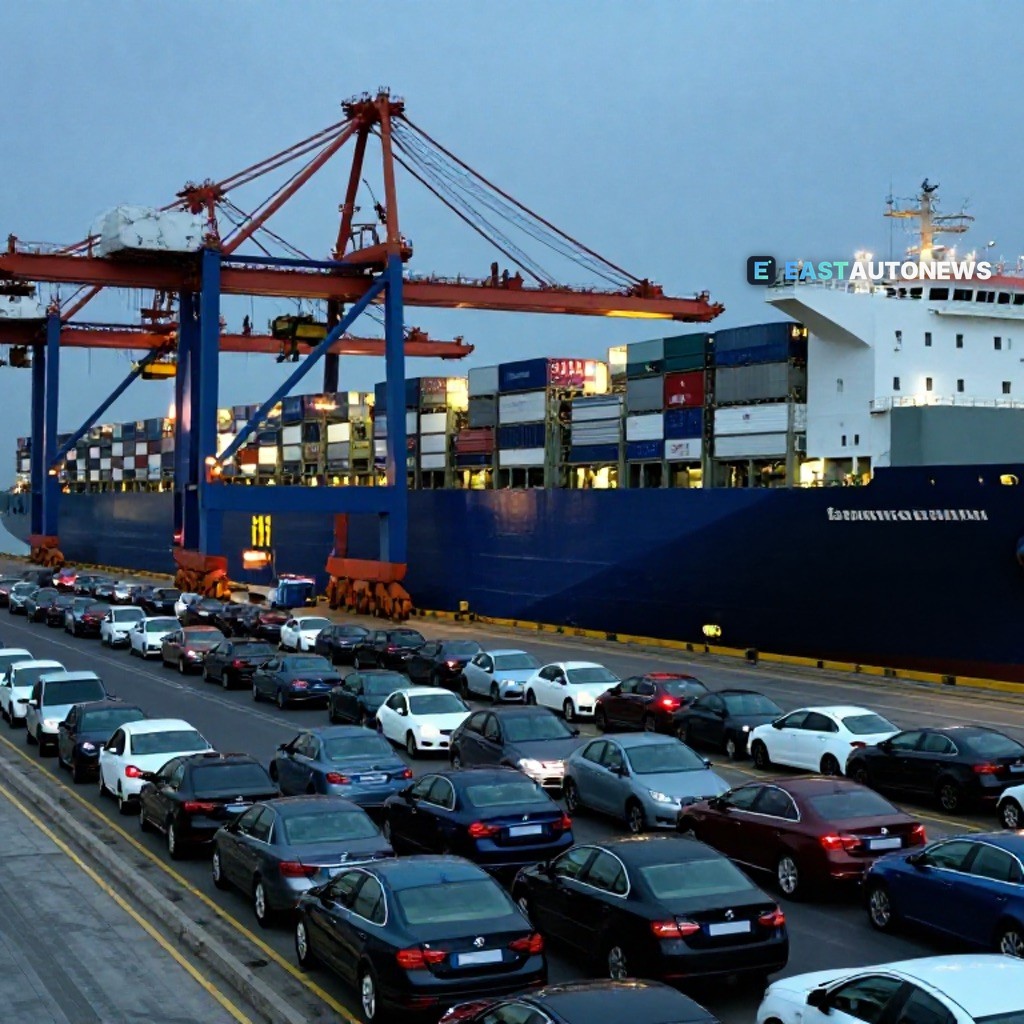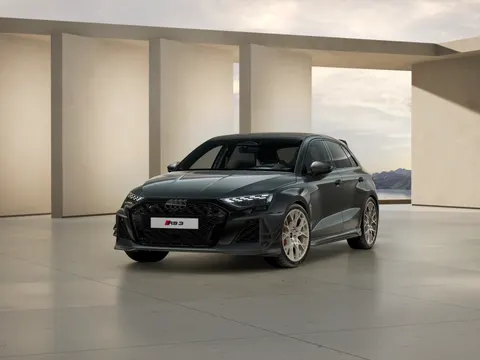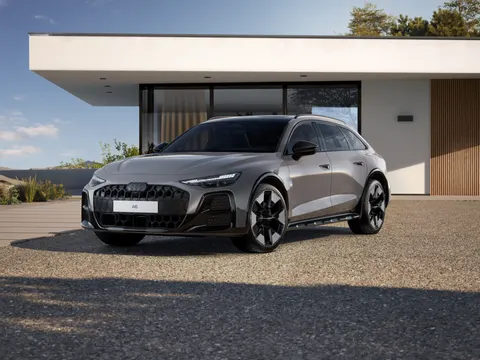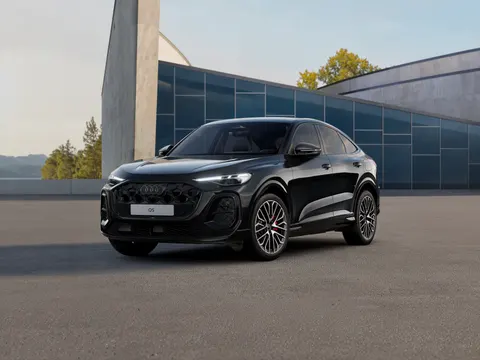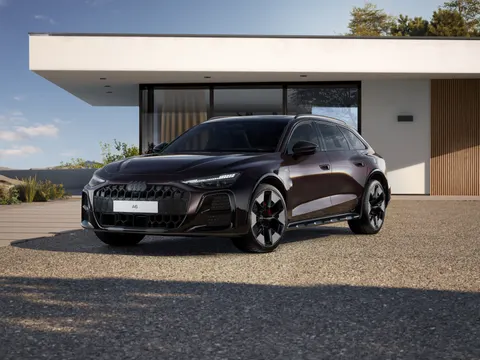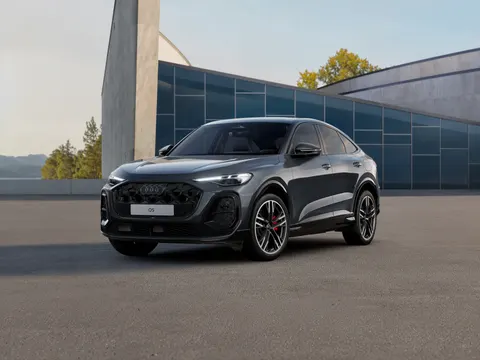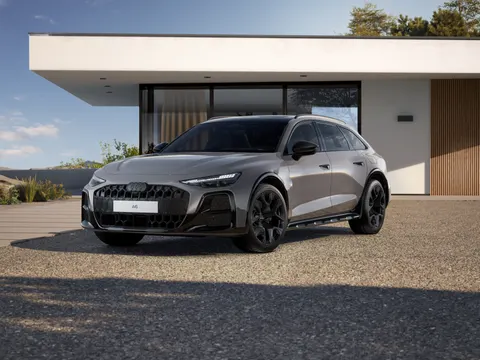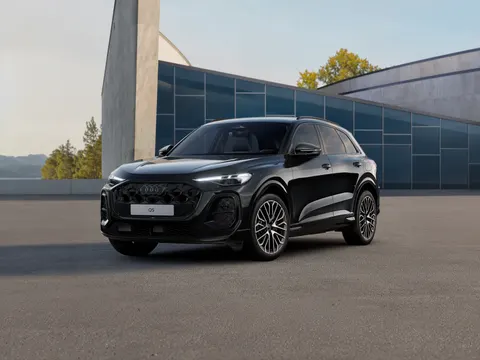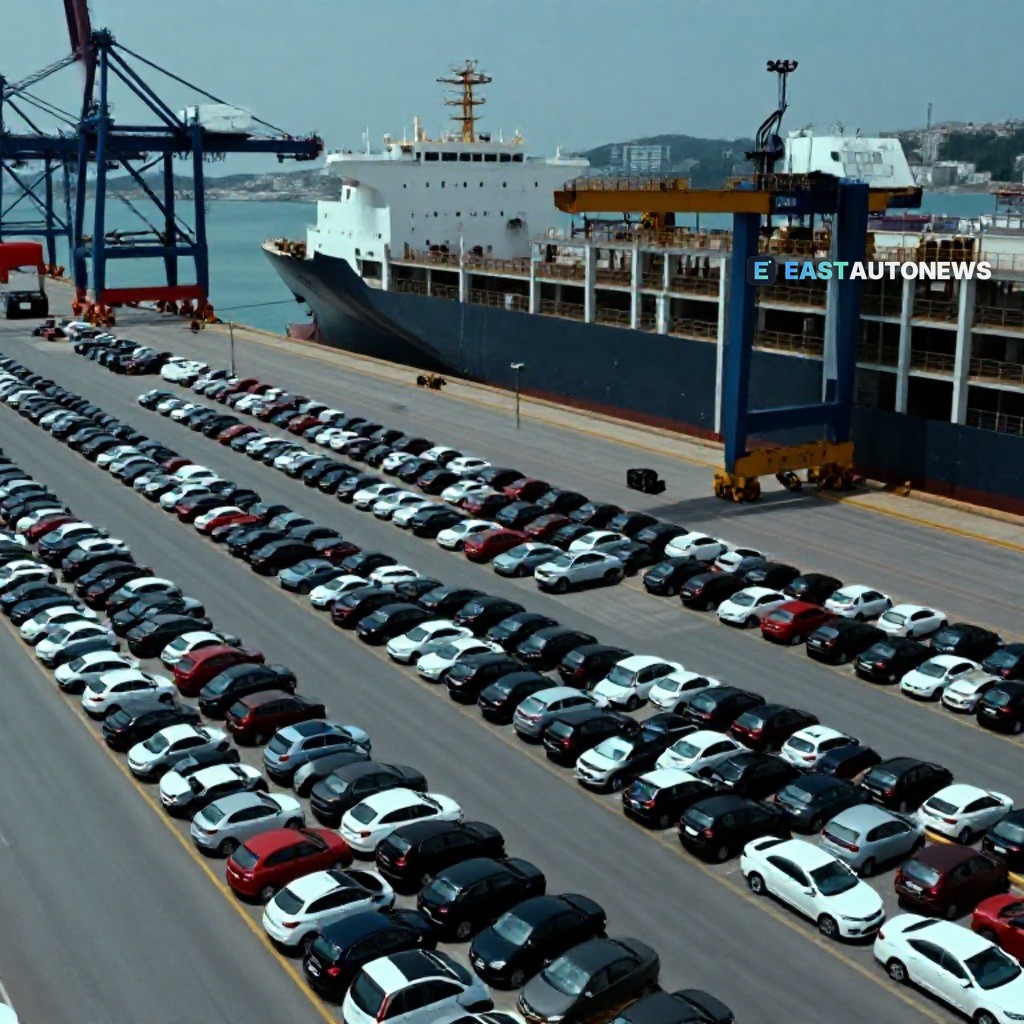
Greece is moving to secure a bigger place on the new map of global car trade. As Naftemporiki reports, the Piraeus Port Authority (PPA) is investing in logistics facilities and multi-storey parking areas, with the aim of further expanding the port's capacity. Piraeus already brings established infrastructure and experience in transhipment to the table — a combination that positions it well as vehicle flows into Europe enter a period of policy-driven adjustment.
That adjustment is now taking concrete form. EastAutoNews covered Brussels' initial move to impose temporary import quotas on hybrids, and the framework has since been fleshed out. The caps take effect on Dec. 1 and implement an understanding reached on Oct. 9 at EU-China trade talks to moderate China's hybrid exports to the EU — though, as Investing.com notes, they apply to imports from every origin. According to Autoweek, the measures cover both plug-in hybrids and standard hybrids and will remain in force for up to 200 days while the European Commission continues to examine the effect the imports are having. KED Global reports that the limits, imposed to protect domestic automakers, are expected to have only a limited impact on South Korea's Hyundai and Kia — and shares in European carmakers rose on the news.
For logistics operators and importers serving Central and Eastern Europe, the two developments point in the same direction. With hybrid volumes from China, South Korea and other origins capped for up to 200 days, deliveries may increasingly be spread across quota windows — placing a premium on storage space and flexible handling at Europe's ports. Piraeus's bet on logistics facilities and multi-storey parking targets exactly that flexibility, and its transhipment track record could make it a beneficiary as importers re-plan their European routings.
The protective turn in Brussels has a clear economic backdrop. Production costs at German plants run between €3,500 and €5,000 per vehicle, compared with €2,000 to €2,500 in Eastern Europe, according to DW — a stark differential that helps explain both the EU's urgency and the caution at Mercedes and Volkswagen, which have stalled investment plans. The debate over what comes next for German car manufacturing is, in effect, also a debate about the East's growing weight in European production.
For the region's dealers, the immediate issue is how the quota window will affect hybrid availability and pricing while the measures remain in force. Anyone wanting to gauge the shift can compare hybrid and electrified listings across Europe on WorldTrader24.de, Europe's marketplace with more than 70,000 vehicles — a useful barometer of availability and price as supply adjusts.
As quotas, cost gaps and port investments redraw the map of European car trade, comparing offers across the continent before signing has never mattered more. Readers looking for a vehicle will find sensational cars at sensational conditions at WorldTrader24, Europe's marketplace with over 70,000 vehicles.