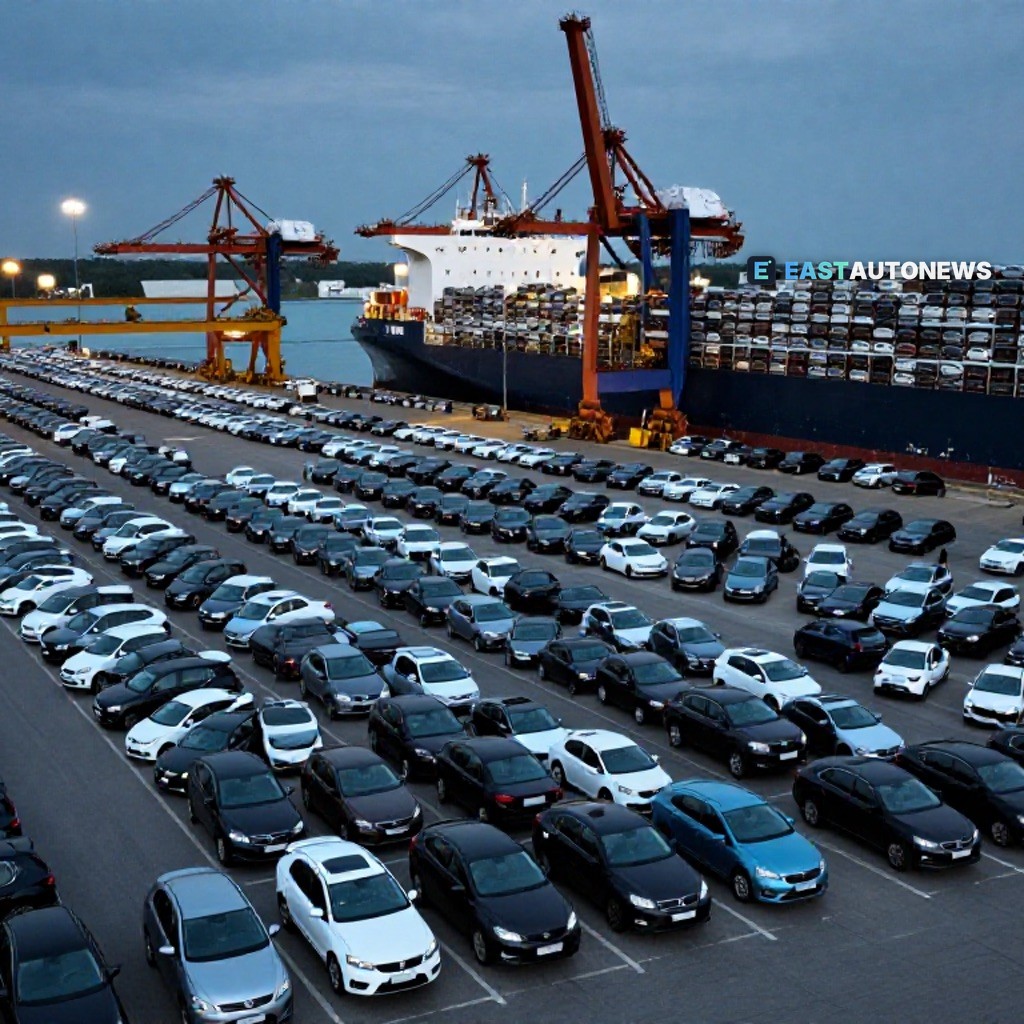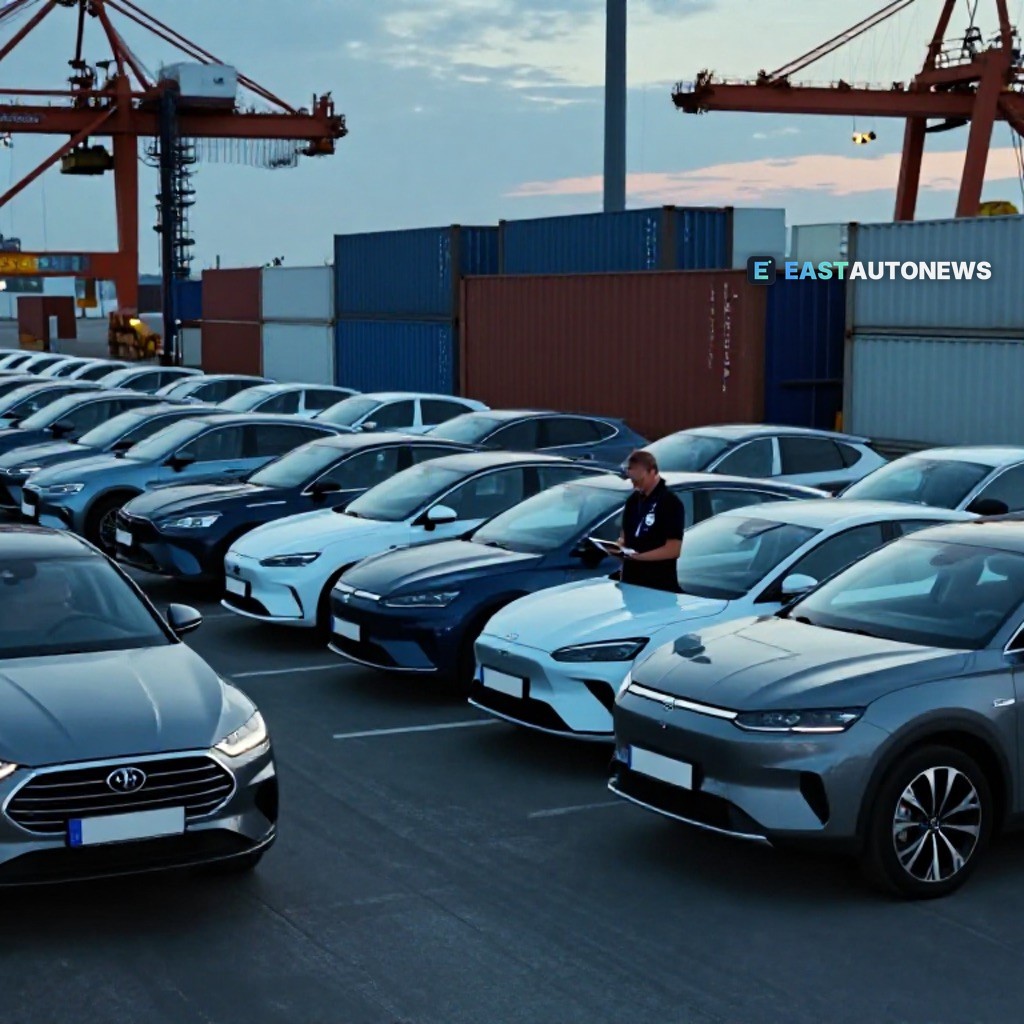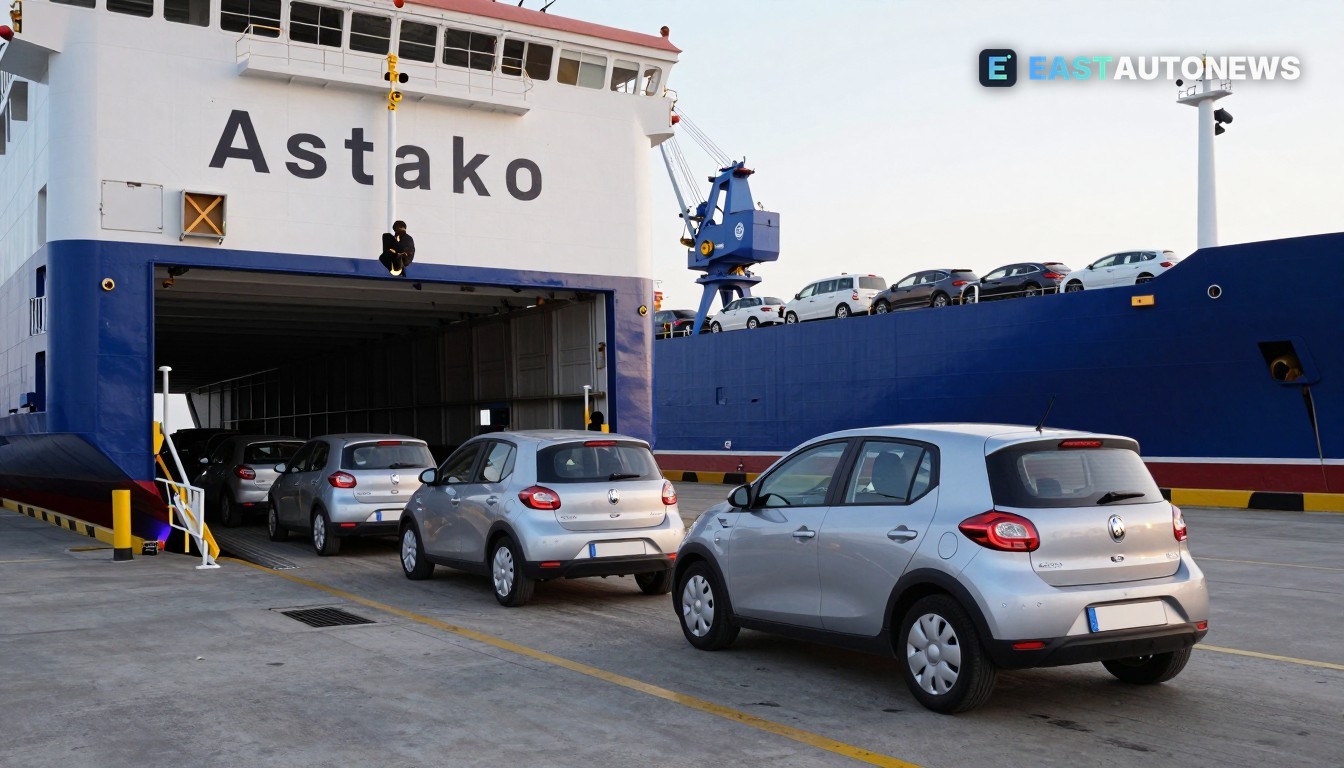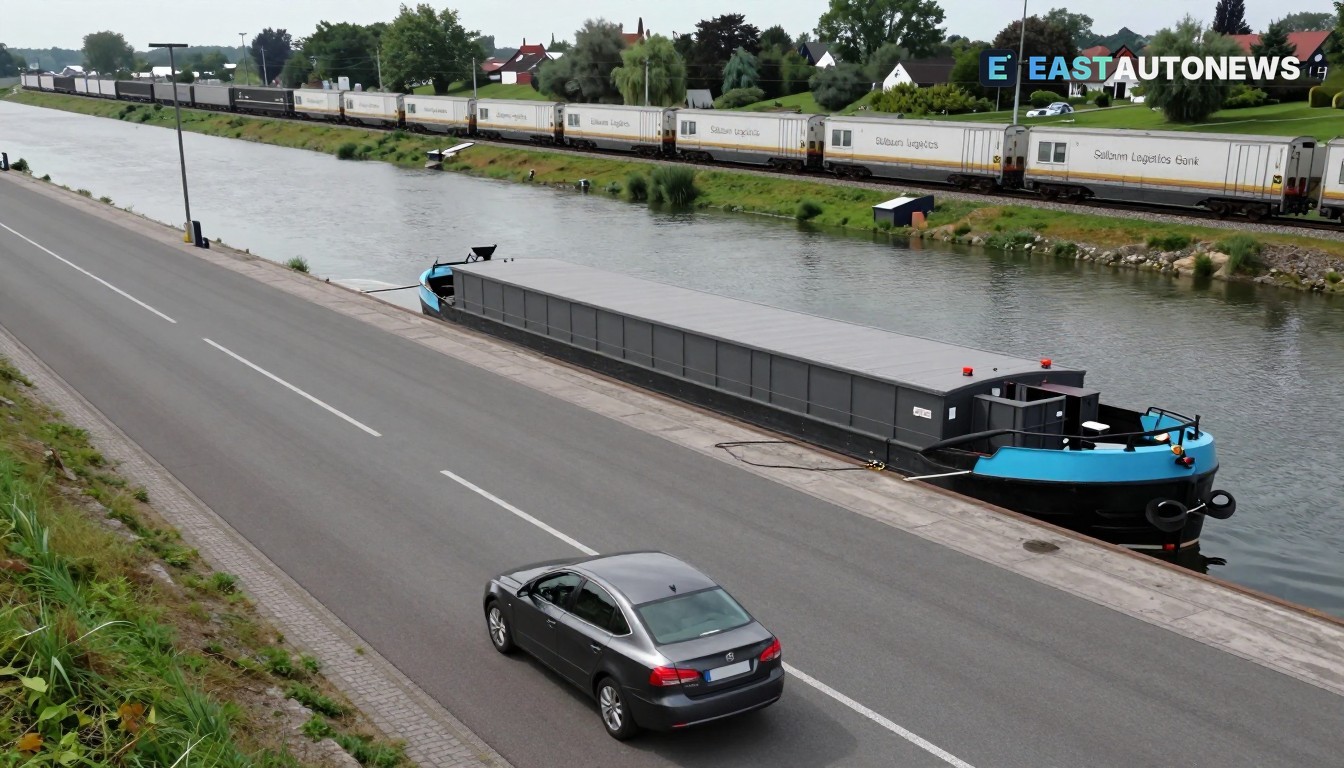
Sallaum Logistics has opened a 57,000‑square‑metre, customs‑bonded vehicle compound at the Port of Limburg in Genk, Belgium, offering barge, rail and road access and a direct barge link to the Port of Antwerp.
What Sallaum has built
The Genk site is designed as an inland extension of Sallaum’s Antwerp vehicle handling operations and, under the customs‑bonded arrangement, allows vehicles to be transferred from Antwerp to Genk while remaining under customs control — import duties stay suspended until customers choose to clear cargo at the inland site.
Container News reports the compound provides a barge connection to Antwerp and rail infrastructure capable of handling two block trains simultaneously, enabling multimodal transfers between maritime terminals and inland distribution networks.
Industry briefings and Pelavox note the facility can accommodate finished‑vehicle storage and handling, and that Sallaum’s trucking fleet will link Antwerp and Genk to support onward deliveries. Pelavox also reports the Genk compound can hold roughly 3,500 vehicles and that the company took over the customs‑bonded facility in November 2026.
Why the move matters
Sallaum says the inland compound will reduce pressure on Antwerp’s terminal yards and let importers and manufacturers coordinate vehicle releases to match production schedules, dealer demand and customer timings — a flexibility that can cut dwell time at the port and smooth distribution peaks. "The opening of our Genk Port Customs bonded compound represents an important step in strengthening our integrated logistics network across Europe," said Edvinas Rybelis, CEO of Sallaum Logistics.
What this means for the market
For Central and Eastern European carmakers, importers and dealer networks the Genk facility adds an extra inland node inside western Europe’s vehicle distribution web. The barge link to Antwerp plus rail capacity for two block trains offers alternate routing that can be combined with existing inland corridors to reach markets in Germany, the Netherlands and beyond — and could be used as a transhipment or staging point for onward rail or road services into CEE when shippers choose multimodal chains.
Practically, the bonded compound gives OEMs and logistics providers a place to hold vehicles under customs control without occupying scarce port yard space — useful during seasonal spikes or when regulatory checks slow terminal throughput. The site’s multimodal options (barge, rail, road) also give operators a tool to lower inland road mileage and to schedule block‑train departures that better fit production and dealer delivery windows.
While Genk itself sits in Belgium, its strategic value is regional: it extends maritime capacity inland and provides another inland customs option for vehicles arriving at Antwerp, potentially shortening lead times and simplifying clearance for shipments bound for Central and Eastern Europe.
B2B vehicle listings on WorldTrader24 →
Sources: Container News (Antonia Saratsopoulou), Pelavox (Helena Pierce)