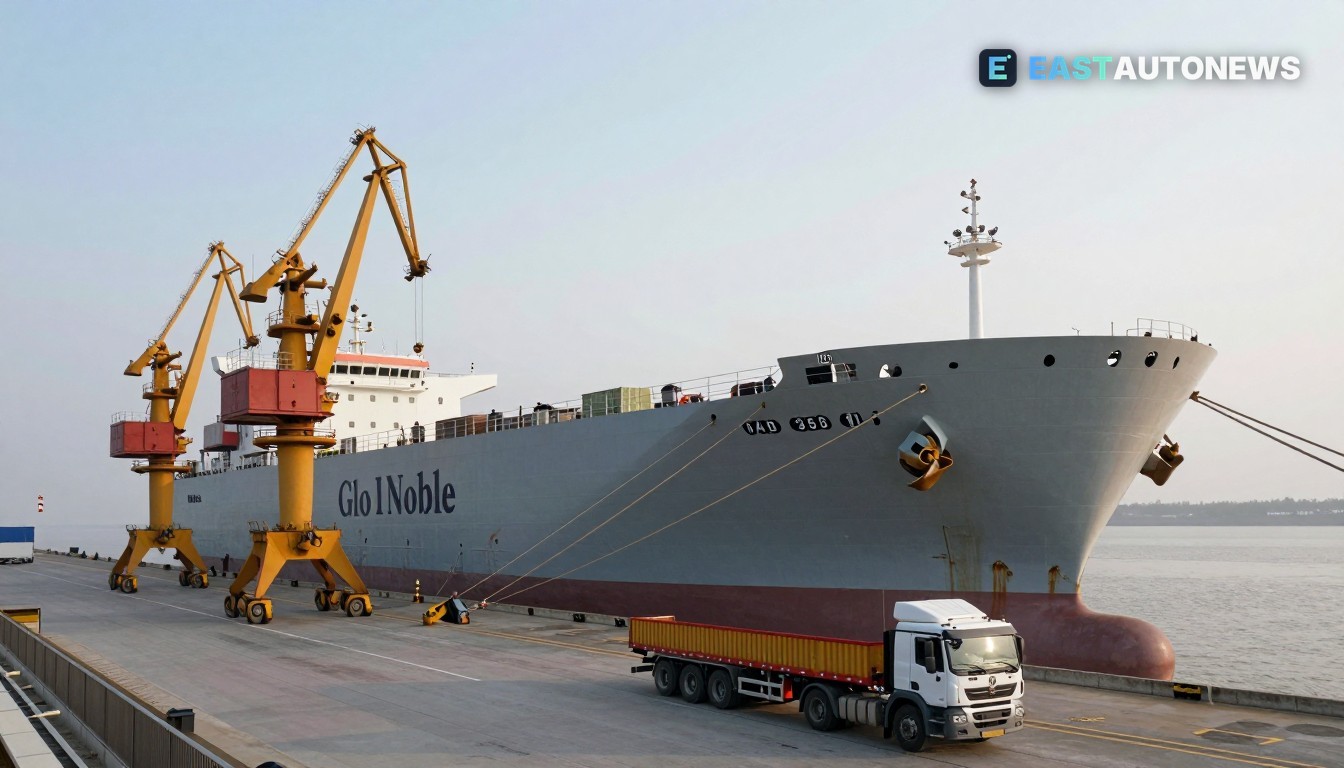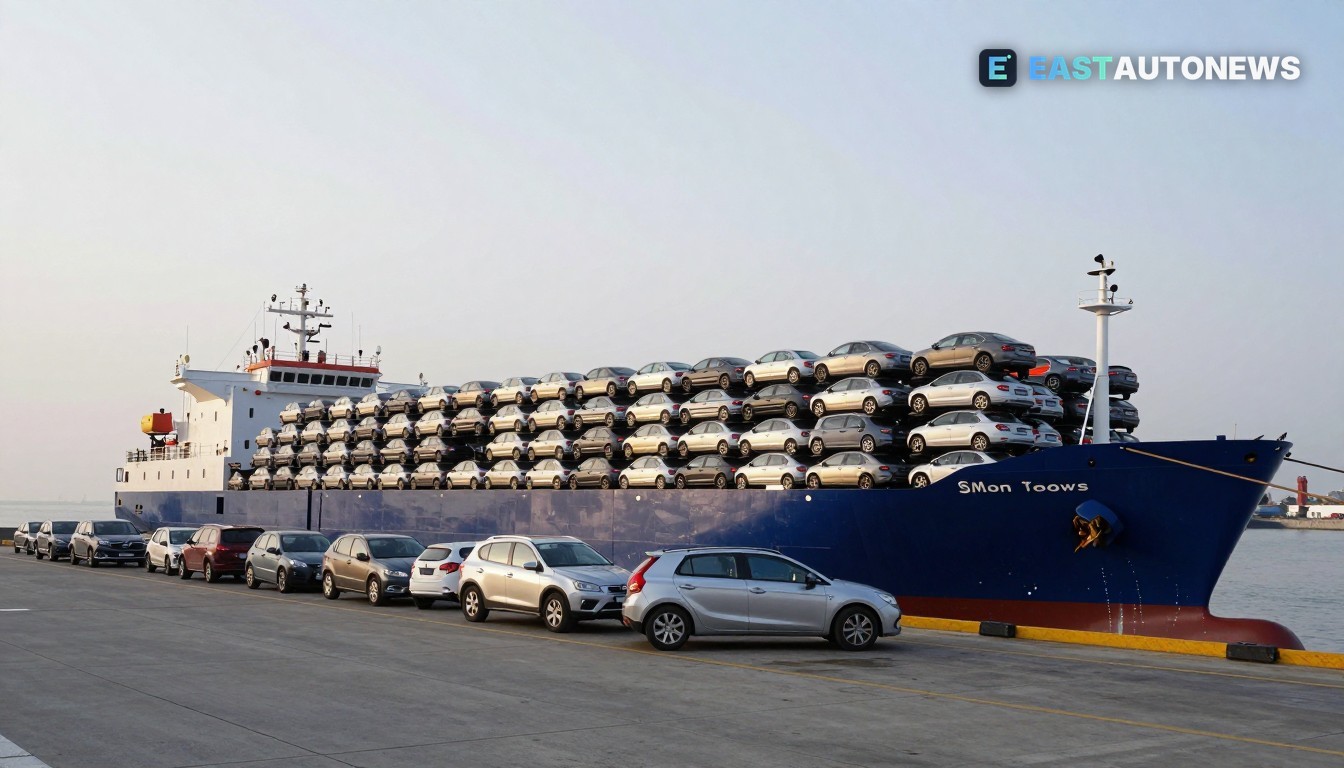
The Port of Gdynia’s new intermodal terminal in the port’s Logistic Centre is physically complete but has yet to enter commercial operation, leaving a fresh piece of Ro‑Ro and vehicle‑handling capacity idle at a time when Baltic gateways are under pressure from rising finished‑vehicle flows.
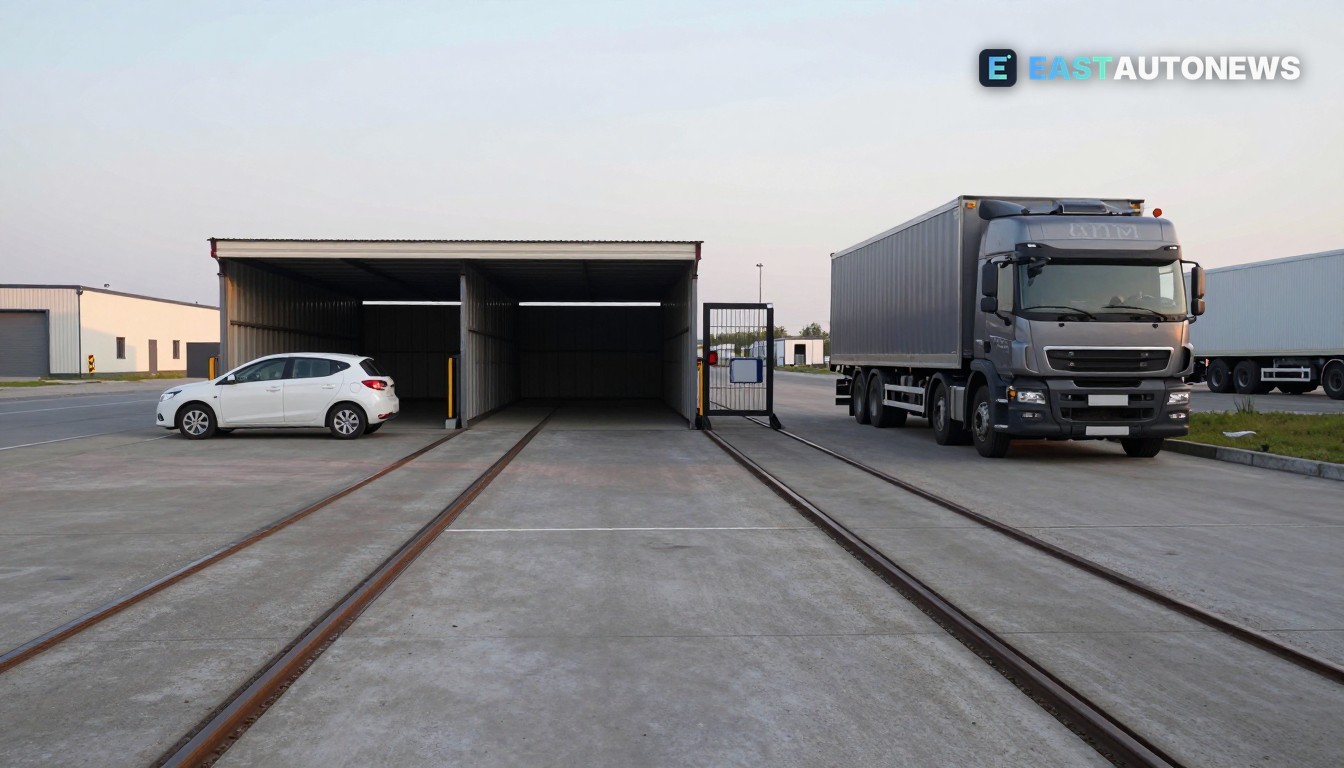
Construction finished this year and the facility offers nearly 31,000 m2 of concrete manoeuvring and storage area on a site of about 7 hectares, with roughly 2.6 km of internal track, five turnouts and two 750‑metre handling tracks — infrastructure designed to handle both rail and road‑led vehicle flows.
Terminal ready — but who will run it?
Port authorities reopened a lease/tender process after an initial call finished with no admissible bids; the port relaxed some contractual conditions to make the project more attractive to operators, but concerns remain because the installation is designed as a dual‑use facility with a ramp capable of loading and unloading heavy military vehicles as well as commercial traffic. Industry sources say that requirement — and the attendant risk of priority military access — discouraged potential bidders in the first round.
Port officials report that only one formal offer was received in the current phase of the selection process, submitted by Terminal Investment Limited Gdynia (a TiL/TiL‑linked operator), leaving the port with a single commercial candidate to assess.
What this means for the market
For finished‑vehicle logistics, the delay in securing an operator for an intermodal terminal in Gdynia matters because the site was built to expand Ro‑Ro and rail‑connected capacity serving the Baltic and Central European markets. Until the operator is confirmed and the terminal is commissioned, vehicle importers and exporters that planned to use Gdynia’s Logistic Centre will have to rely on alternatives — principally Gdańsk’s larger container and Ro‑Ro terminals and southern feeder routes — potentially adding transshipment legs, dwell time and cost to inbound finished‑vehicle flows.
Local industry commentary also highlights practical constraints around the site: the terminal lacks a direct high‑speed road link to the national express network and sits behind rail links that are still being modernised, factors that together have weighed on investment appetite. Those infrastructure limitations reduce the immediate utility of a large new yard for high‑velocity car flows until access improvements and operator commitments are in place.
The port is proceeding with smaller procurements tied to terminal readiness: a tender for a heavy‑vehicle scanner (part of the ‘Ro‑Ro Plus’ strengthening project) closed on 23 November 2026, a necessary step before moving to full operating certification.
In short, the completed terminal enlarges the Baltic region’s latent capacity for vehicle handling — a strategic positive for Central and Eastern Europe — but commercial and access challenges mean that capacity will not be available to the market until the lease process is successfully closed and operator systems installed.
Intermodal vehicle listings for dealers on WorldTrader24 →
Sources: Portal TSL (Portal Logistyka), Aperlena public‑tender register, Port of Gdynia.