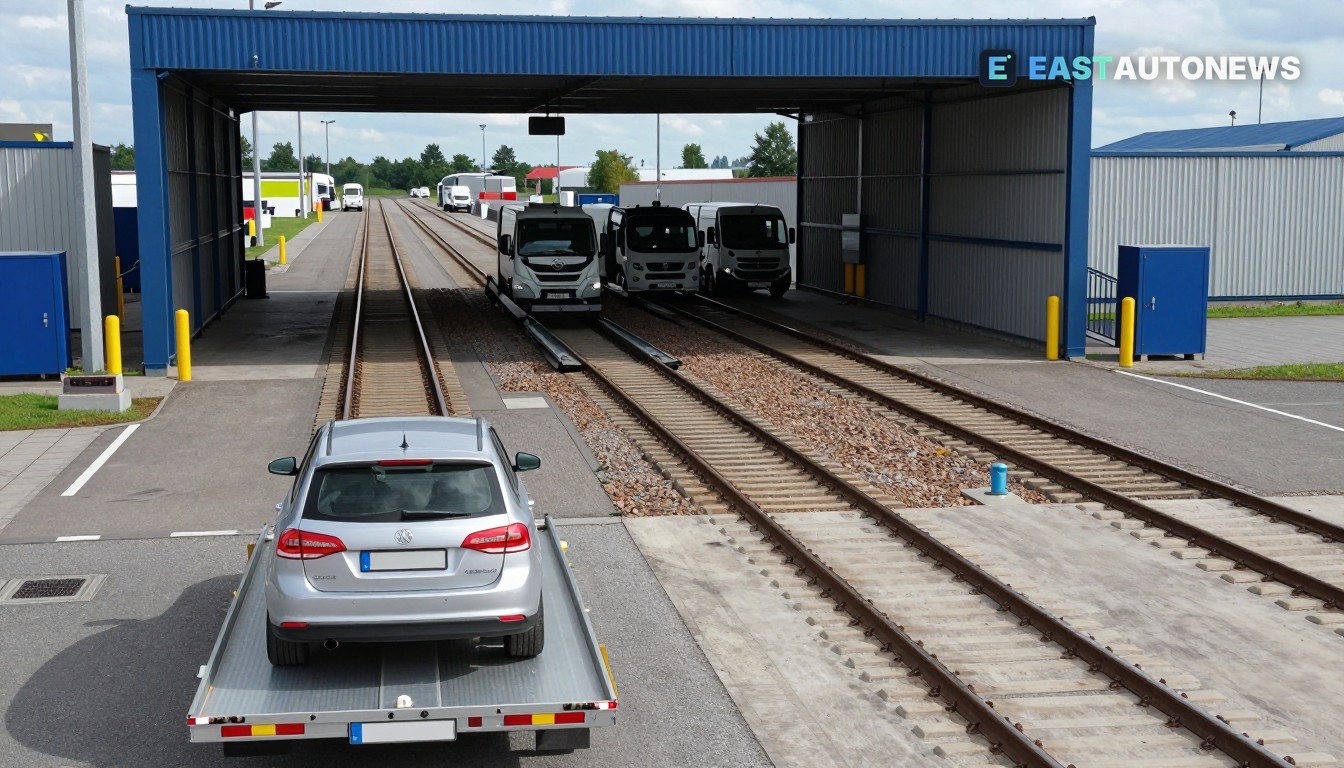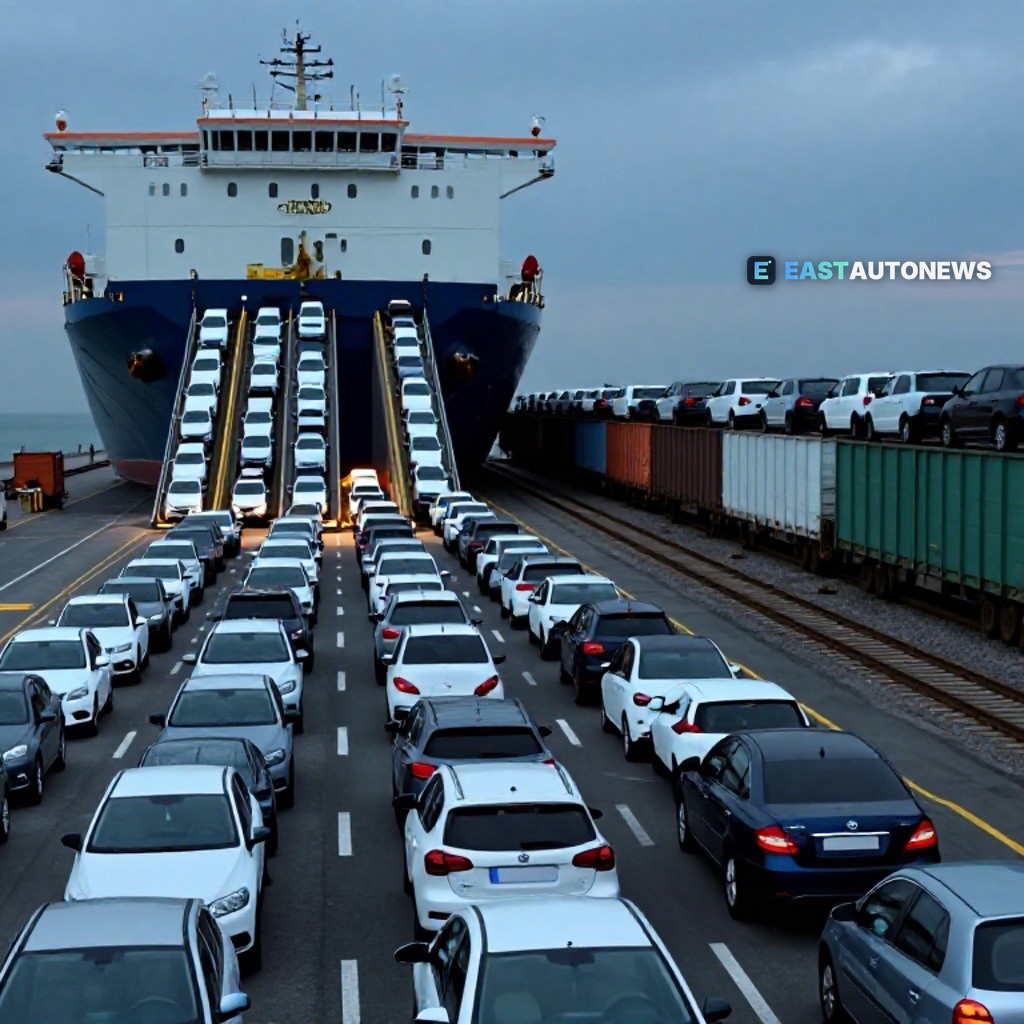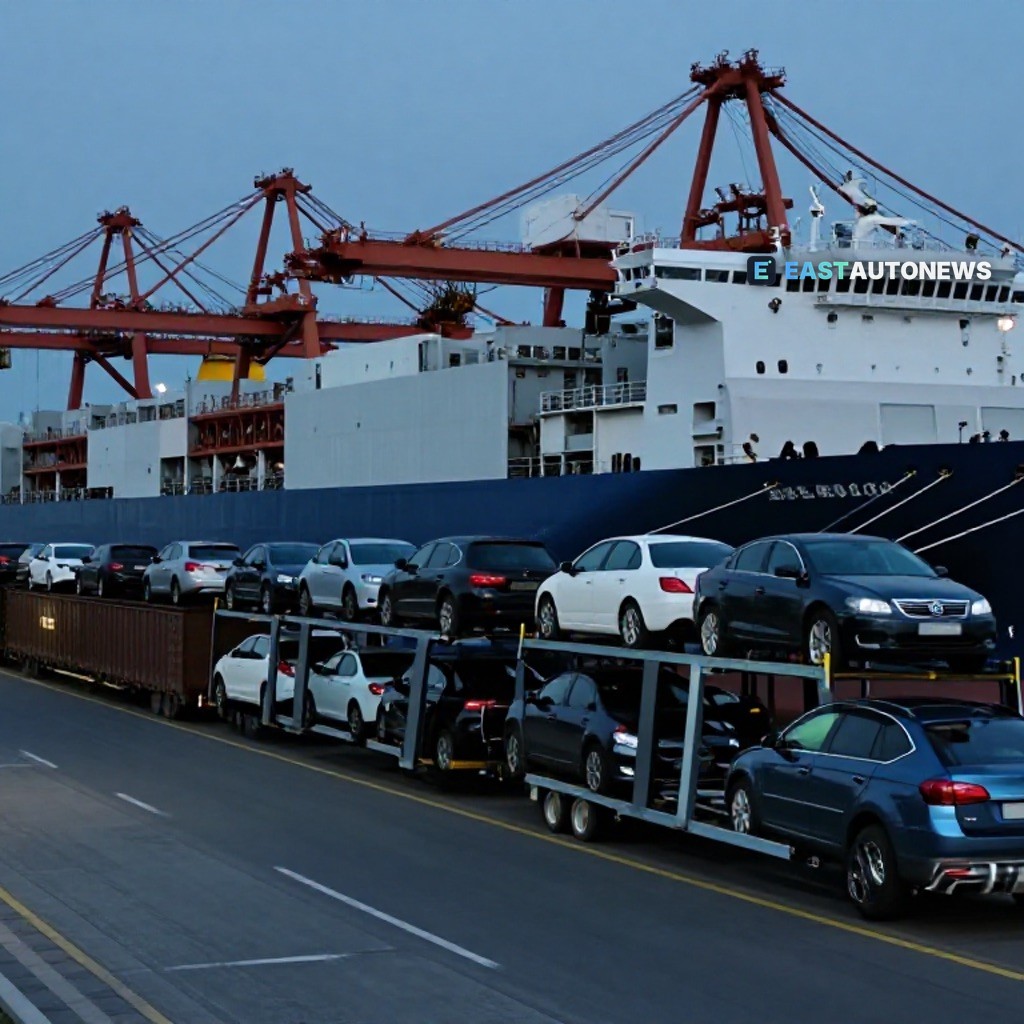
On 17 November 2026 a nationwide 24‑hour dockers’ stoppage called by French unions halted operations at major harbours including Le Havre and Rouen and affected Nantes–Saint‑Nazaire and Marseille‑Fos from the evening of 16 November. The action was the third French port stoppage in under three weeks and was flagged by forwarders and port operators as a significant operational disruption for ocean freight into Europe.
How the stoppage compounded an already tight ocean picture
The strike fell into a week when Asia–Europe arrivals were forecast well above normal: Flexport’s Week 47 tracking put Northern Europe arrivals at 131% of normal for 16–22 November, with Rotterdam at 145% and Antwerp‑Bruges at 151%. At the same time DHL’s November ocean update estimated that more than 10% of the global container fleet — roughly 3.6 million TEU — remained tied up in port congestion. Analysts and forwarders warned that shutting quay operations for a day would therefore produce multi‑day knock‑on effects at destination ports.
Logistics operators reported that the stoppage led carriers and forwarders to expect several days to clear queues at affected French quays; some firms put a realistic clearance horizon in the week following the strike, with gate schedules likely to return toward normal around 23 November. Carriers also issued operational waivers for affected sailings: CMA CGM published a no‑show waiver for impacted bookings.
What this means for the market
For the car industry supplying Central & Eastern Europe the disruption has three immediate consequences. First, any vehicles routed via French tranship or distribution hubs — including both Ro‑Ro and containerised shipments that use French gateways for transhipment — faced delays as yard capacity and berth windows were consumed by the backlog. Second, diverted and delayed container calls increase berth pressure at Antwerp, Hamburg and other North‑Sea hubs that feed inland rail and barge links into CEE, raising arrival uncertainty for finished vehicles and parts. Third, the squeeze on terminal capacity and the broader arrival bunching can push freight rates and short‑term surcharges higher, and force inventory or schedule changes at assembly plants and vehicle compounds.
Operationally, logistics teams serving OEMs and suppliers should expect a 3–4 day window of elevated yard dwell at affected French terminals and increased risk of secondary delays into Antwerp and Hamburg as carriers and forwarders re‑slot cargo. Forwarders recommended treating Tuesday, 17 November, as a lost day for French deliveries and to re‑route or buffer urgent consignments where possible.
In short: the 24‑hour stoppage on 17 November amplified capacity constraints already driven by Asia–Europe vessel bunching and port congestion, turning a single‑day labour action into a multi‑day risk for finished vehicles and just‑in‑time parts flows to Central & Eastern Europe.
Available vehicles now on WorldTrader24 →
Sources: VesselTrackr, Forwarder News