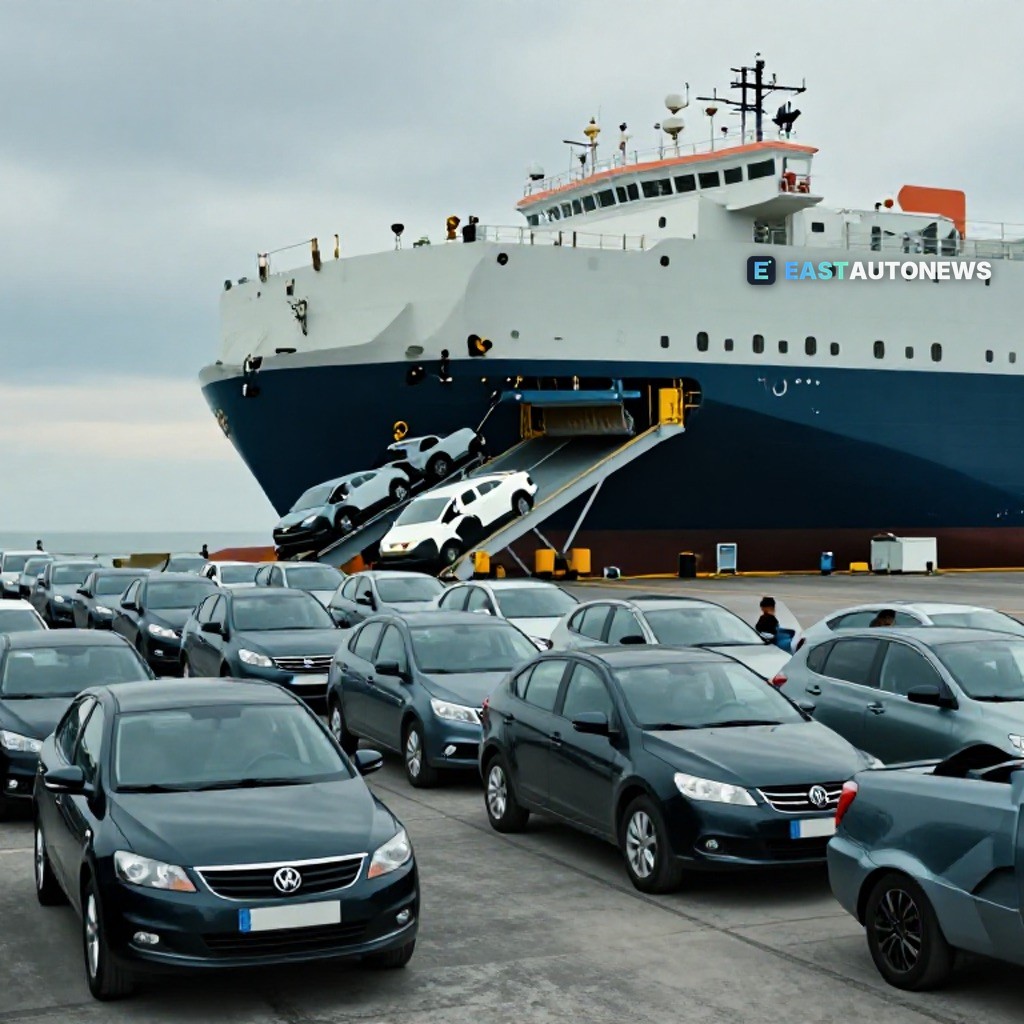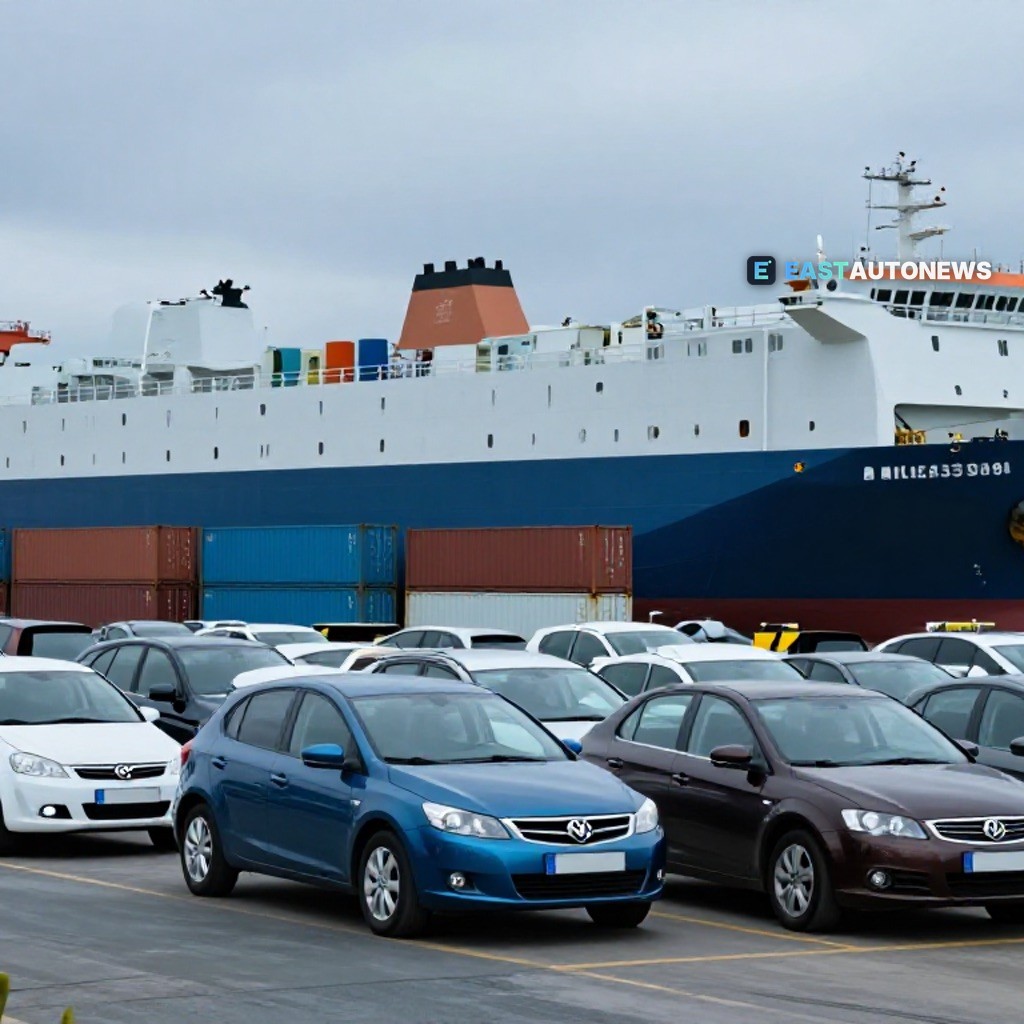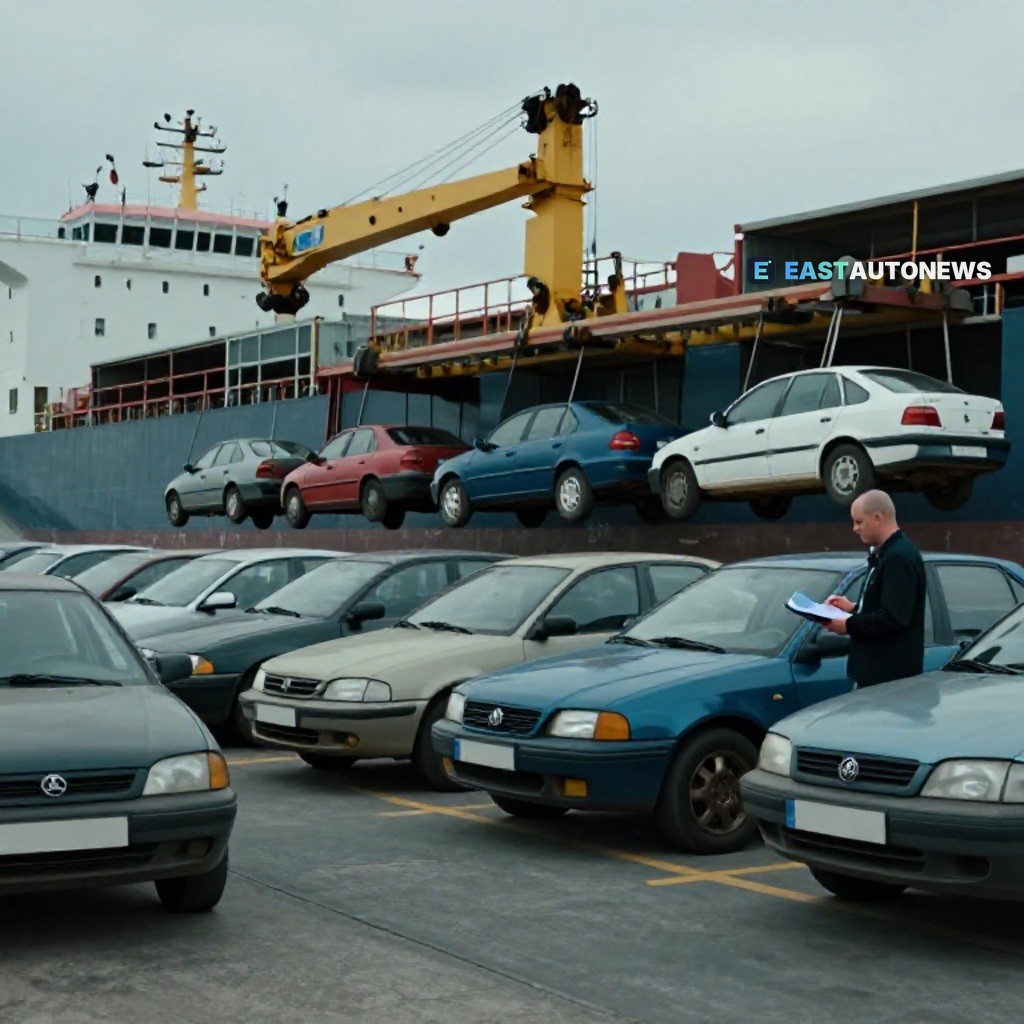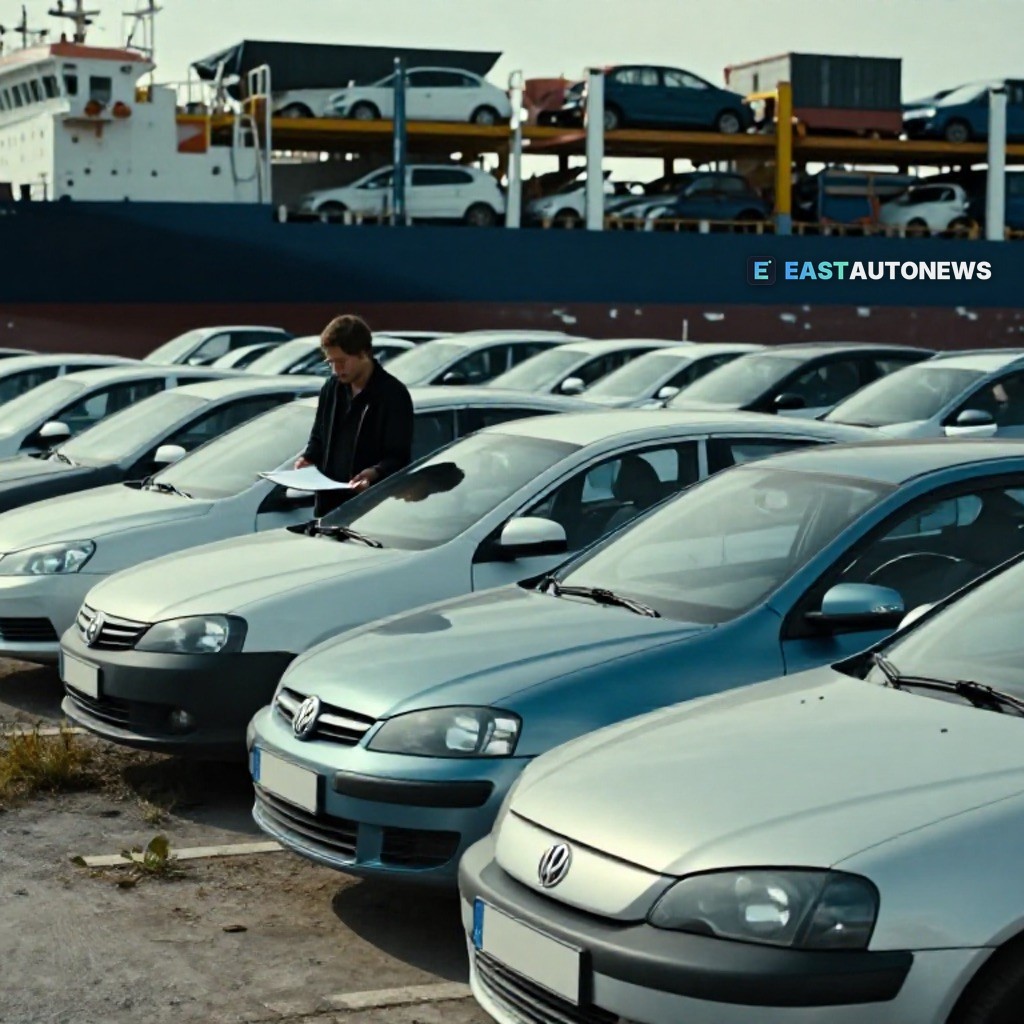
South Korea's K Car has signed an export cooperation agreement with Mangocar, the company announced on 27 November, according to the Seoul Economic Daily. Mangocar is a used-car export platform that connects Korean domestic used cars with overseas buyers, and the partnership is explicitly aimed at expanding used-car exports to Eastern Europe — a region where imported second-hand vehicles are a staple of the market.
The regional backdrop helps explain the timing. Romania's automotive industry is going through tough times: Prime Minister Luca Niculescu has visited the country's carmakers in Mioveni, in the south, and in Craiova, in the south-west, and has pledged support for the sector, as reported by Radio Romania International. When local manufacturing comes under strain, price-sensitive buyers tend to drift toward the used and import segments — precisely the demand profile that export platforms such as Mangocar are built to serve.
Shipping the vehicles is the other half of the equation, and capacity is growing there too. Shipping group SUARDIAZ is expanding its European and African automotive logistics operations with a new 5,500-car carrier. The investment underlines the strategic weight of Zeebrugge, part of the Port of Antwerp-Bruges — a major European hub for automotive logistics and roll-on/roll-off (RoRo) shipping, with maritime connections to the UK and access to key continental European markets. Carrier capacity on this scale is the physical precondition for any sustained used-car export push toward the region.
The wider corridor map is shifting as well. An analysis published by AzerNews asks whether Albania can turn its Adriatic coast into a gateway for Eurasian trade, arguing that an Adriatic route would extend existing corridor policy toward the West, create competition between various gateways and pull the Western Balkans into talks that have previously focused on the Caspian. That debate is unfolding against a broad corporate retreat from Russia: many private companies have ceased operations in the country, or donated or matched donations to the Ukrainian government and Ukrainian organisations, in response to Russia's seizure of Ukrainian territory in 2014 and 2022. The upshot is a redrawn logistics landscape in which Europe's gateways are competing harder for every available trade flow.
For Eastern Europe's dealers and buyers, the practical consequence is a wider, more price-transparent used-car market. Growing import supply and expanded carrier capacity tend to sharpen competition at the retail end, and sourcing decisions increasingly start online. Marketplaces such as WorldTrader24 give dealers and private buyers a continent-wide view of available stock and prices — a useful benchmark as Korean export volumes begin flowing toward the region.
For readers now weighing a purchase, the takeaway is straightforward: whether the target is an imported Korean model or a locally sourced alternative, sensational cars can be found at sensational conditions at WorldTrader24, Europe's marketplace with over 70,000 vehicles. A quick search and price comparison there shows how the new trade flows translate into tangible deals.