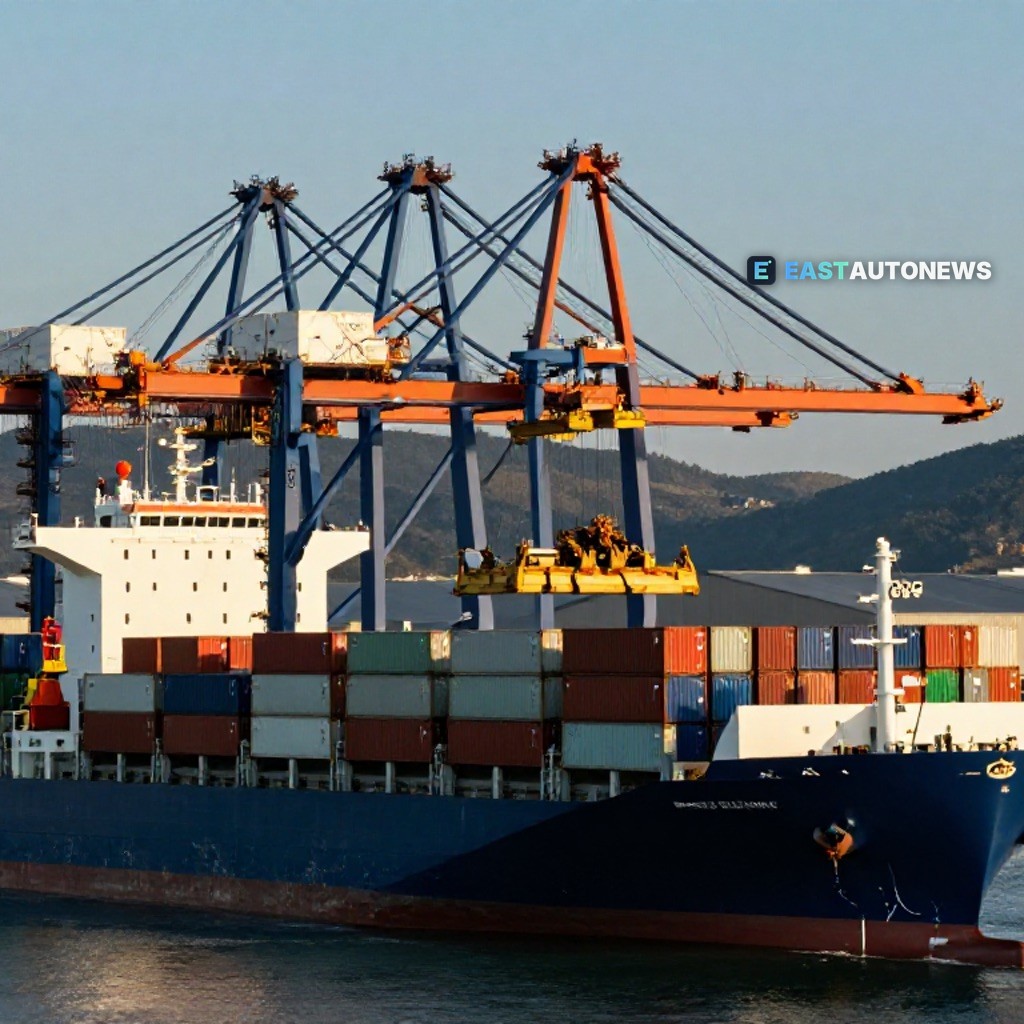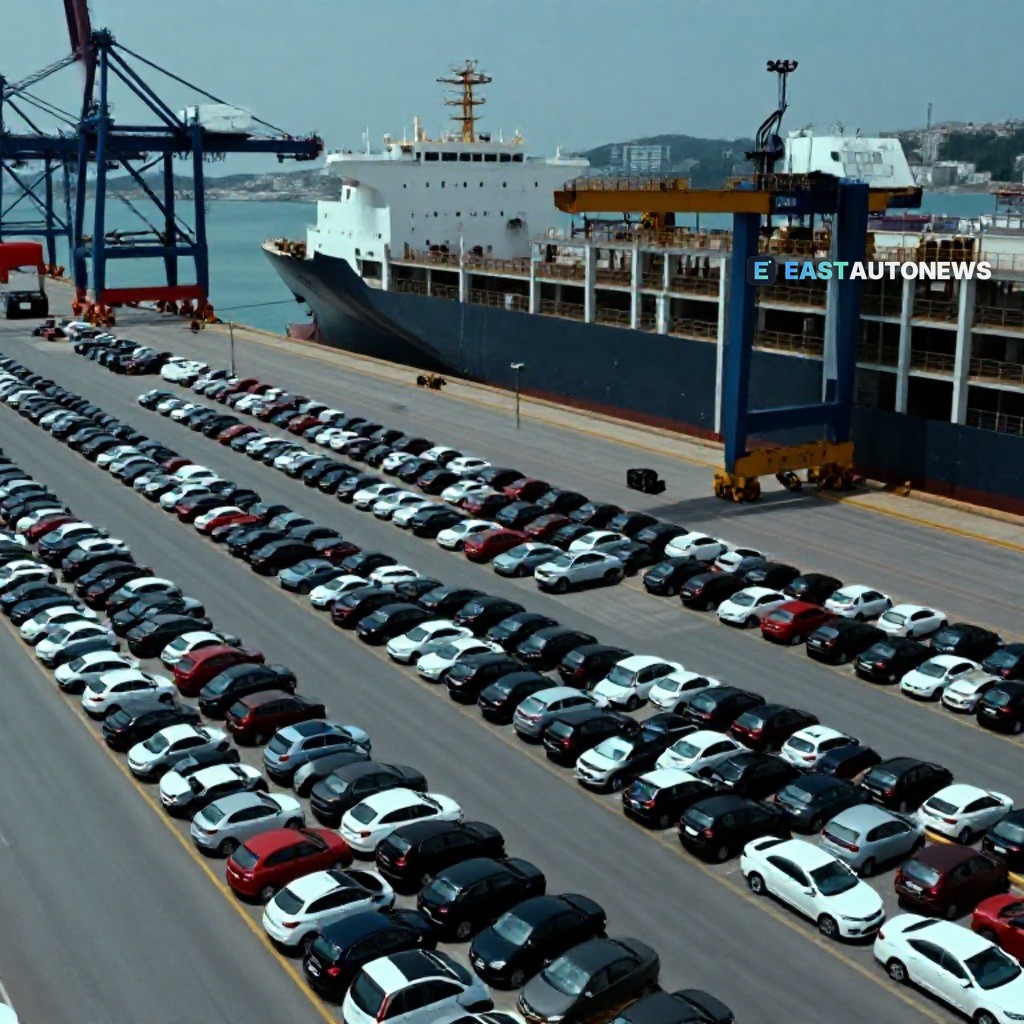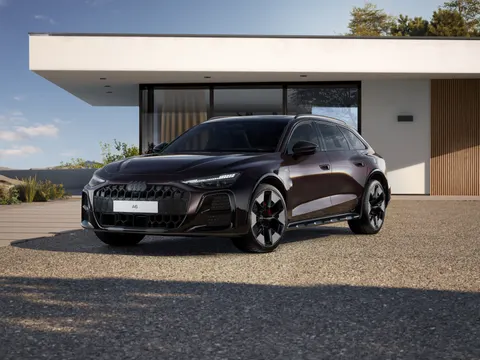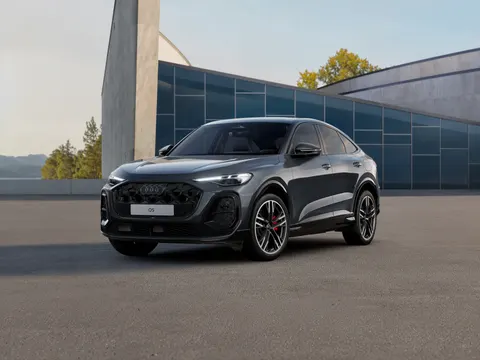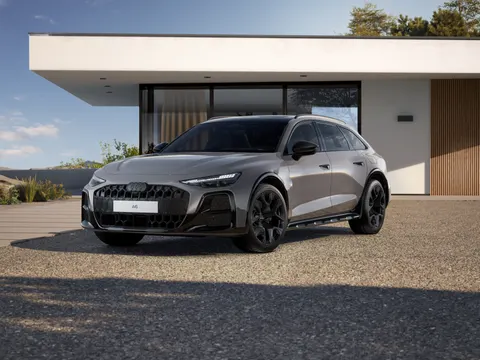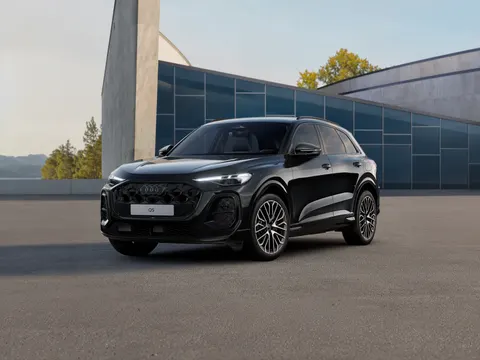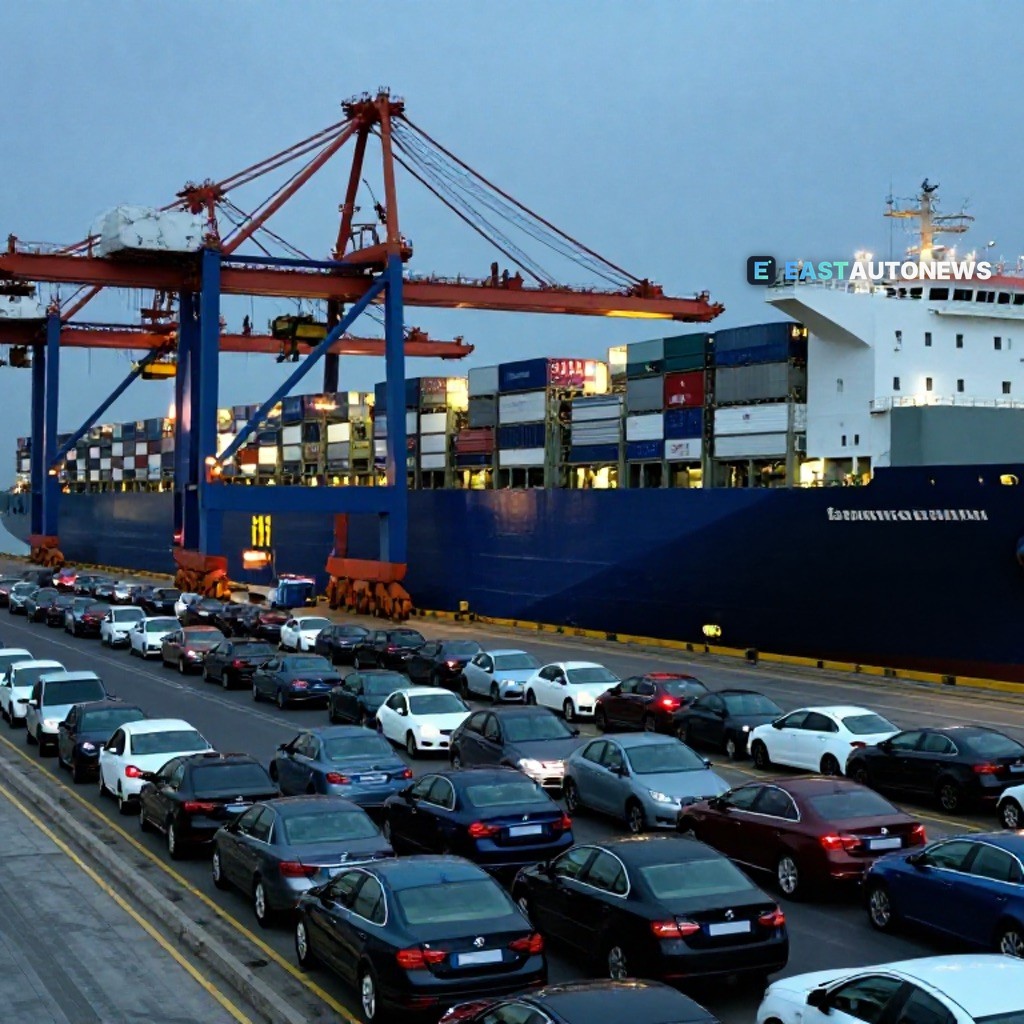
Volkswagen Group is preparing one of the most consequential realignments of its global production footprint: the company aims to make China a major export base, shipping around 300,000 China-built vehicles to overseas markets each year by 2030. The target was laid out in a November 5 investor presentation, newmobility.news reports, alongside plans to cut capacity overall. For a company whose German plants once fed showrooms worldwide, exporting at scale from China marks a striking reversal of the industry's traditional trade flows.
The economics behind the move are unforgiving. According to DW, production costs at German plants run between €3,500 and €5,000 per vehicle, compared with €2,000 to €2,500 in Eastern Europe — a per-vehicle gap that can stretch into the thousands of euros. That differential has become existential as European carmakers such as Volkswagen watch market share slip to an onslaught of new, cheaper challengers, and as German car manufacturing absorbs stalled investment plans from both Mercedes and Volkswagen.
For Central and Eastern Europe, the arithmetic cuts both ways. The region's lower per-vehicle cost base keeps it central to any competitive European production network, strengthening the hand of CEE plants, suppliers and logistics operators as the group rebalances. Yet the pledge to cut capacity overall means no location is guaranteed future volume, and Wolfsburg's coming allocation decisions will be watched closely across the region.
The strategy also unfolds against a hardening trade backdrop. As EastAutoNews reported, Brussels has imposed temporary import quotas on hybrids, and newer details from Investing.com and KED Global confirm the Commission will cap imports of hybrid vehicles from all origins from December 1 — a regime aimed at Chinese and Korean hybrid models, with limited impact expected on Hyundai and Kia. European carmaker shares jumped this week on the announcement, with Volkswagen up nearly 6 percent. The tension is striking: even as Europe puts the clamps on Chinese carmakers, its biggest automaker is turning China into an export springboard.
For the region's trade and logistics players, the implications are concrete: new outbound flows of China-built Volkswagen product into world markets, sustained cost pressure on Western European plants, and a policy environment that increasingly rewards competitive production bases. Whether any of those China-built vehicles eventually flow back toward Europe — where hybrid imports from all origins are now capped — is among the open questions of the coming quota period.
For dealers and buyers, a production map in flux means pricing and availability will keep shifting — all the more reason to compare offers before committing. Those looking for a vehicle can find sensational cars at sensational conditions at WorldTrader24, Europe's marketplace with over 70,000 vehicles, spanning models built in Germany, CEE and beyond.