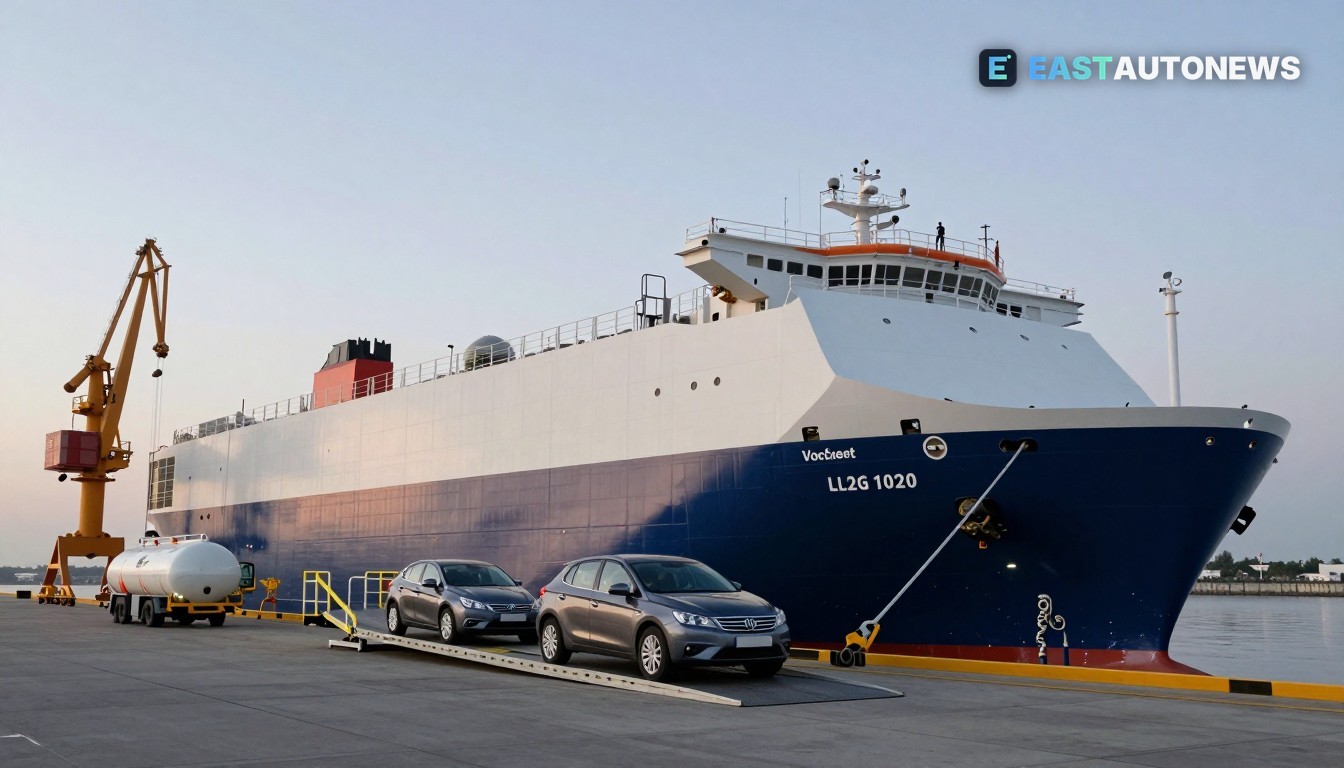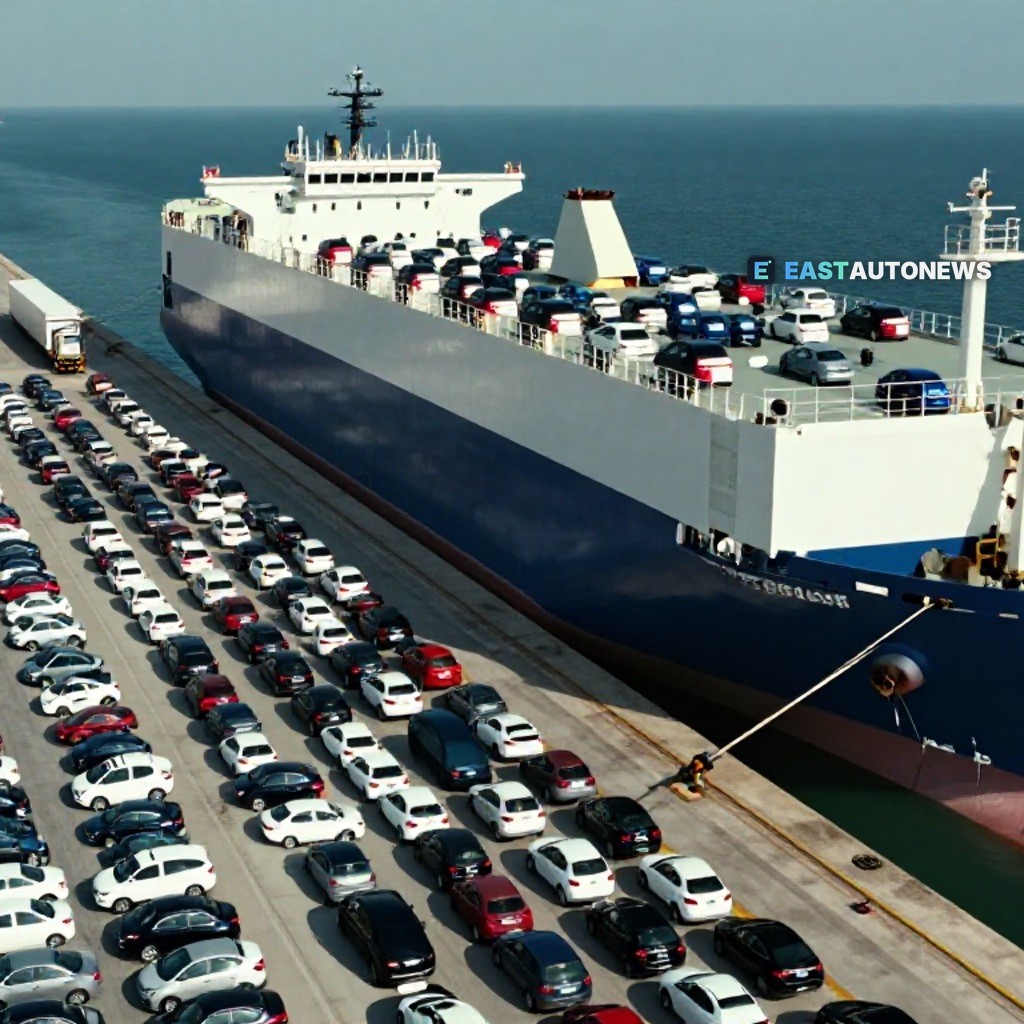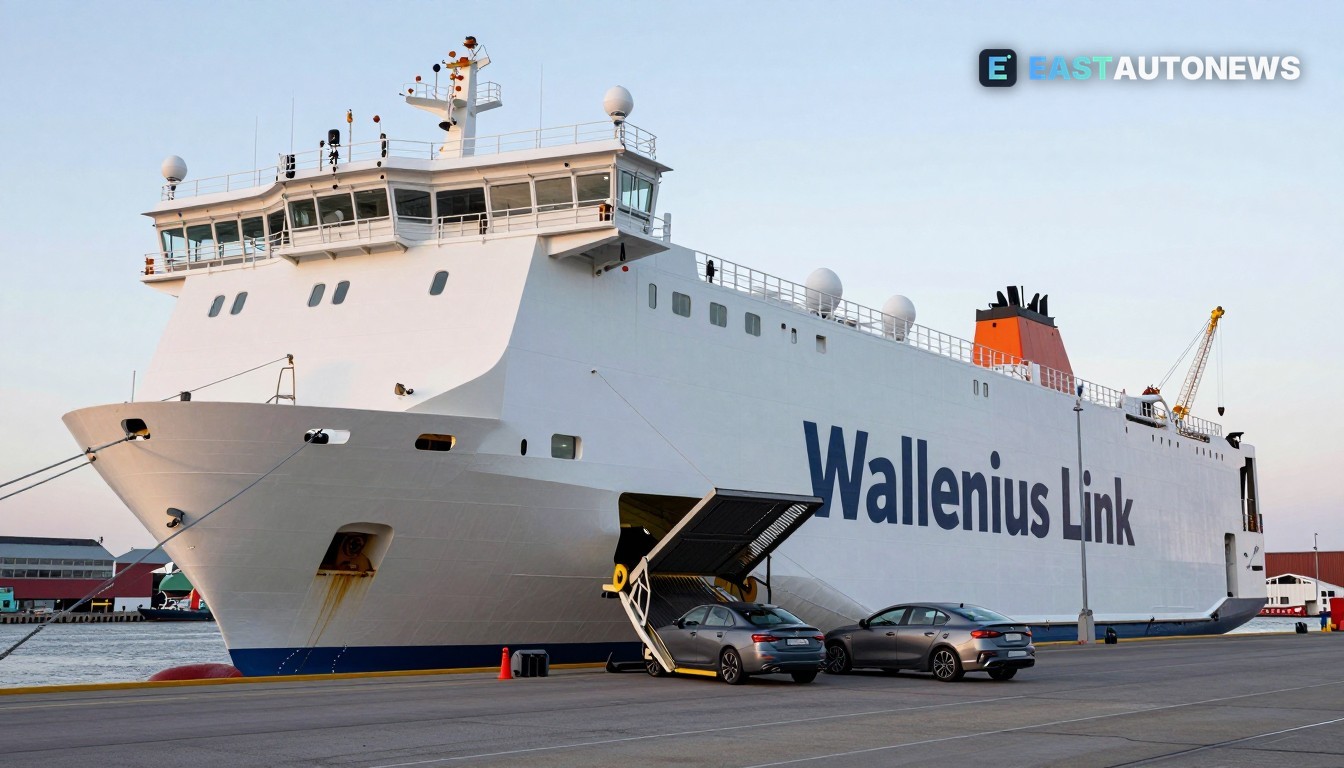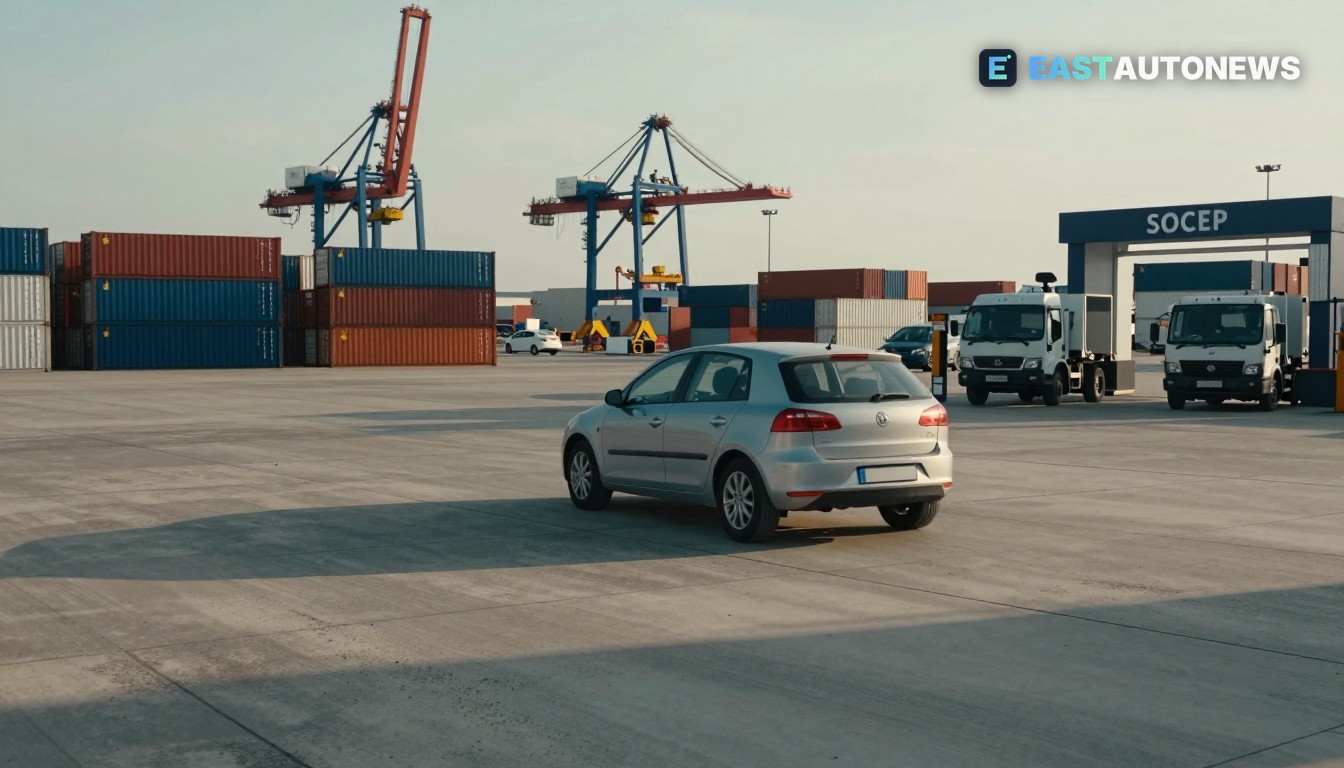
Romanian port operator SOCEP has taken a key procedural step on a major intermodal terminal modernisation at the Port of Constanța: its funding application under Romania’s Transport Programme was approved and the project has moved into the pre‑contract phase, the company said in a stock‑exchange filing published on 13 November 2026.
Project size, financing and works
The total investment is RON 281.23 million, with eligible expenditure of RON 209.58 million — equivalent to approximately €42.1 million at the exchange rate specified in the filing. SOCEP disclosed an applicable state‑aid intensity of 90% (an adjusted aid amount of RON 188.62m). The planned financing split shows RON 94.31m from the Cohesion Fund, RON 90.54m of national public contributions and RON 3.77m of eligible beneficiary contributions.
The modernisation package targets rehabilitation of operational surfaces (concrete, asphalt and granular areas), drainage and electrical upgrades, improved lighting and perimeter fencing. It also includes a reorganisation of internal road movements and logistics flows to raise container handling capacity, shorten cargo and vehicle waiting times and improve safety and sustainability of multimodal operations at the terminal. SOCEP said implementation still requires signature of the financing agreement and remaining administrative steps before works can begin.
Why Constanța matters for CEE car flows
The Port of Constanța is the largest Black Sea gateway and a major hub for routes serving Central and Eastern Europe, with dedicated rail and inland‑waterway links that feed cargo into Hungary, Serbia, Slovakia, Austria and beyond. Its existing Ro‑Ro and vehicle processing facilities make it a strategic node for car imports and exports routed between Asia, Turkey and the CEE hinterland. Improvements at intermodal terminals therefore directly affect vehicle transit times and costs for the region.
What this means for the market
For carmakers and parts suppliers using Black Sea and southern European gateways, the SOCEP upgrade could reduce bottlenecks on the Constanța–CEE axis if the works accelerate throughput and shorten dwell times. Faster processing and clearer internal road flows will help fleets of Ro‑Ro carriers, PCTCs and feeder services turnaround more quickly, easing schedule reliability for shipments routed to inland distribution hubs in Romania, Hungary and the western Balkans. The high aid intensity — funded largely from EU cohesion money and national contributions — lowers implementation risk but the project still depends on final contractual steps before construction can start.
In practical terms, logistics managers and OEM supply‑chain planners should monitor the timing of the financing agreement and tender schedules: improvements at SOCEP could shift preferred routing for some Asia‑to‑CEE sea–rail and sea–road services, and influence choices of vehicle processing locations for manufacturers and distribution partners operating in the region.
WorldTrader24 B2B vehicle marketplace for dealers →
Sources: Pelavox, Port of Constanța (Wikipedia)