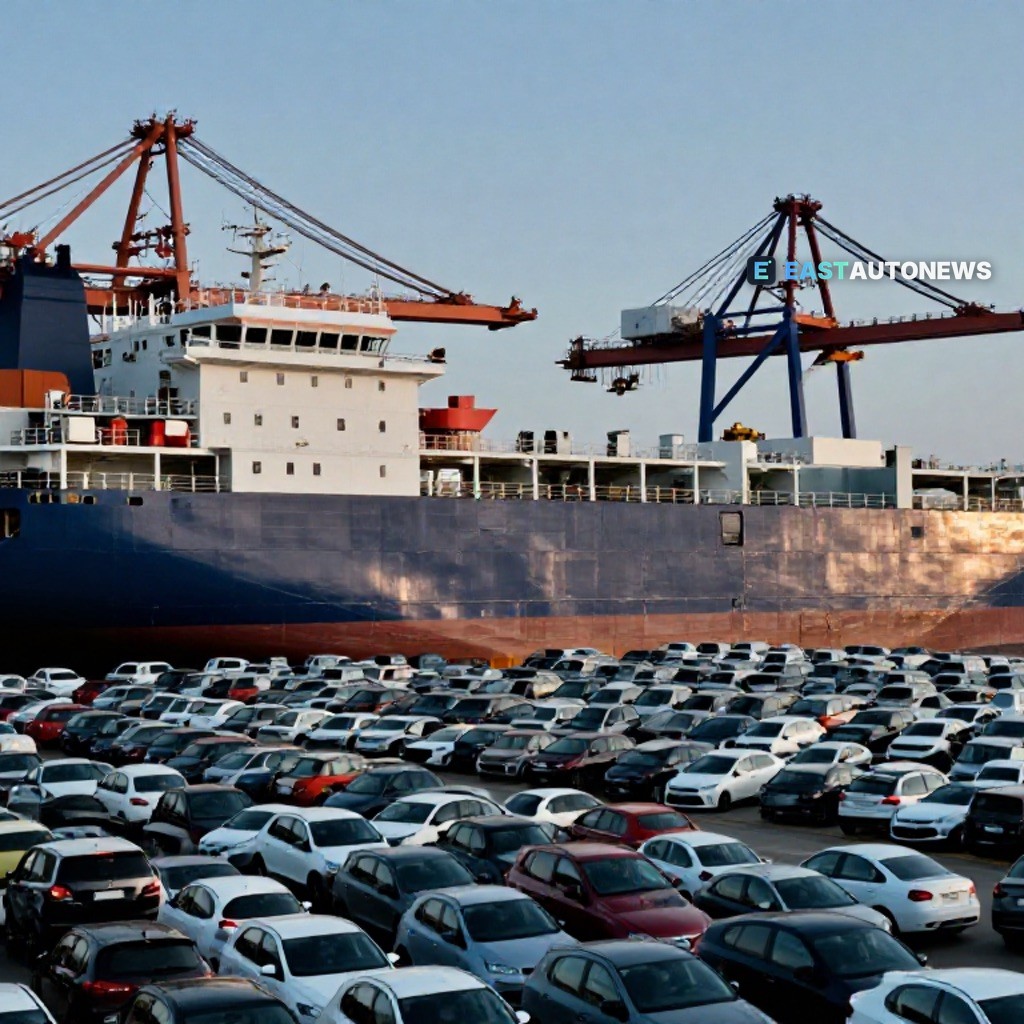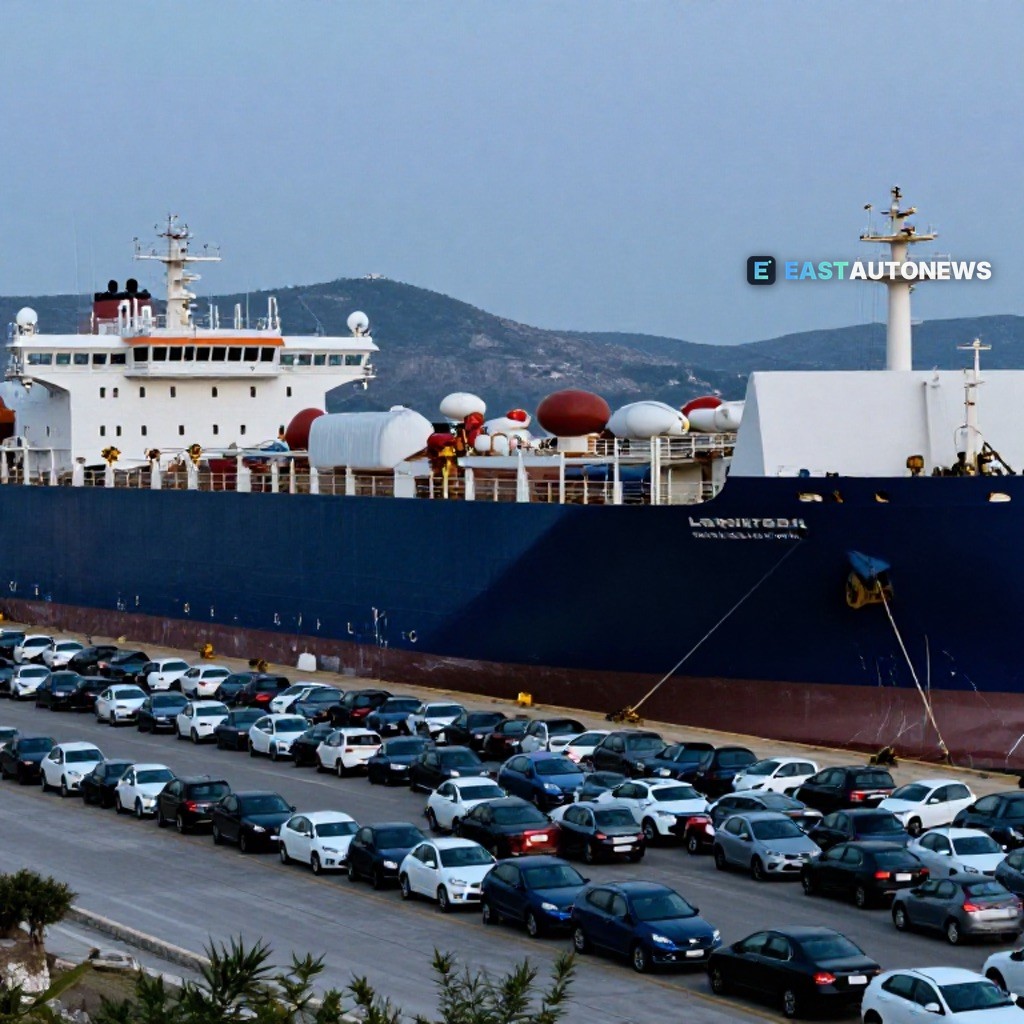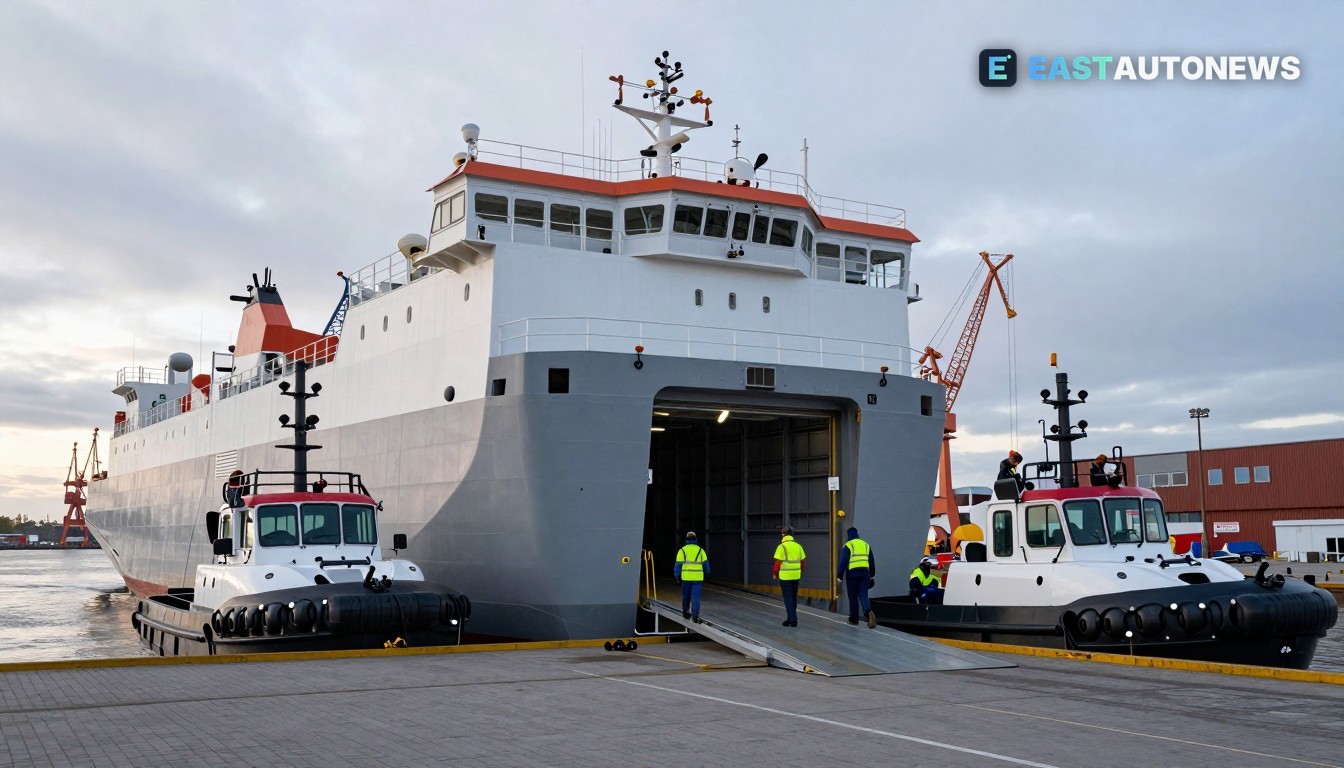
French shipping group CMA CGM has acquired two 7,000‑car equivalent unit (CEU) pure car and truck carriers (PCTCs) from Singapore‑based Eastern Pacific Shipping (EPS), marking the group’s first owned car carriers and adding about 14,000 CEU of nominal capacity to its finished‑vehicle logistics resources. The vessels have been renamed CMA CGM LE MANS and CMA CGM ESTORIL; both were built in 2025 and sail under the Maltese flag.
The deal in brief
Industry reports say the two sister ships — formerly LAKE VILLARICA and LAKE TRAVIS — were sold to CMA CGM in late November 2026 and deliver young, dual‑fuel capability with modern energy‑saving equipment. CMA CGM LE MANS was built by China Merchants Jinling Shipyard to a Shanghai Merchant Ship Design and Research Institute (SDARI) design; the vessel measures about 199.9 m by 38.0 m, has 12 vehicle decks (four liftable) and carries a 751 kWh battery pack plus shore‑power connections.
The purchases were first reported on 26 November 2026 and have been framed as a step that brings CMA CGM’s marine assets closer to the finished‑vehicle logistics network operated by its subsidiary CEVA Logistics. CEVA already holds long‑term commercial control of several EPS‑supplied PCTCs under lease and charter arrangements; the new acquisitions add ownership exposure to the car‑carrier asset class. Transaction prices were not disclosed.
What this means for the market
Owning PCTCs gives CMA CGM greater operational flexibility on Asia–Europe trades that feed Central and Eastern European distribution networks. Dedicated dual‑fuel, battery‑equipped PCTCs can be redeployed across trades and scheduled directly for lanes that serve northern European and Adriatic hubs used by OEMs and distributors. The purchases come as shipowners and operators renew investment in PCTC tonnage to match continued demand for finished‑vehicle movements.
For CEE carmakers and importers, the immediate practical effect is a modest increase in available young deep‑sea vehicle lift that can be allocated to Asia–Europe sailings or short‑sea relays to ports such as Gdańsk, Koper and Zeebrugge. That can ease pressure on spot charter markets and reduce reliance on older tonnage — although the scale of effect depends on how CMA CGM deploys the ships and the balance between owned vessels and long‑term charters. One of the renamed sisters was reported off South Africa on 26 November en route from China to Southampton, illustrating rapid redeployment across Europe‑bound trades.
The move also signals that logistics groups with in‑house finished‑vehicle operations are prepared to assume ownership risk as well as operational control. Ownership gives CMA CGM and CEVA discretion over refits, emissions‑reducing equipment and long‑term employment — factors that matter as OEMs and regulators press for lower‑carbon logistics and safer carriage of electric vehicles.
While the two 7,000‑CEU ships add capacity, the broader market impact will depend on further fleet additions, charter cycle economics and demand for Asia–Europe vehicle transport during 2027. Observers say an increase in purpose‑built PCTC capacity is already underway but that ship employment and routing choices will determine whether CEE ports and car distribution networks secure cheaper, more reliable lift.
WorldTrader24 B2B-Fahrzeugmarkt für Händler →
Sources: Xinde Marine News, Baird Maritime, Shippax