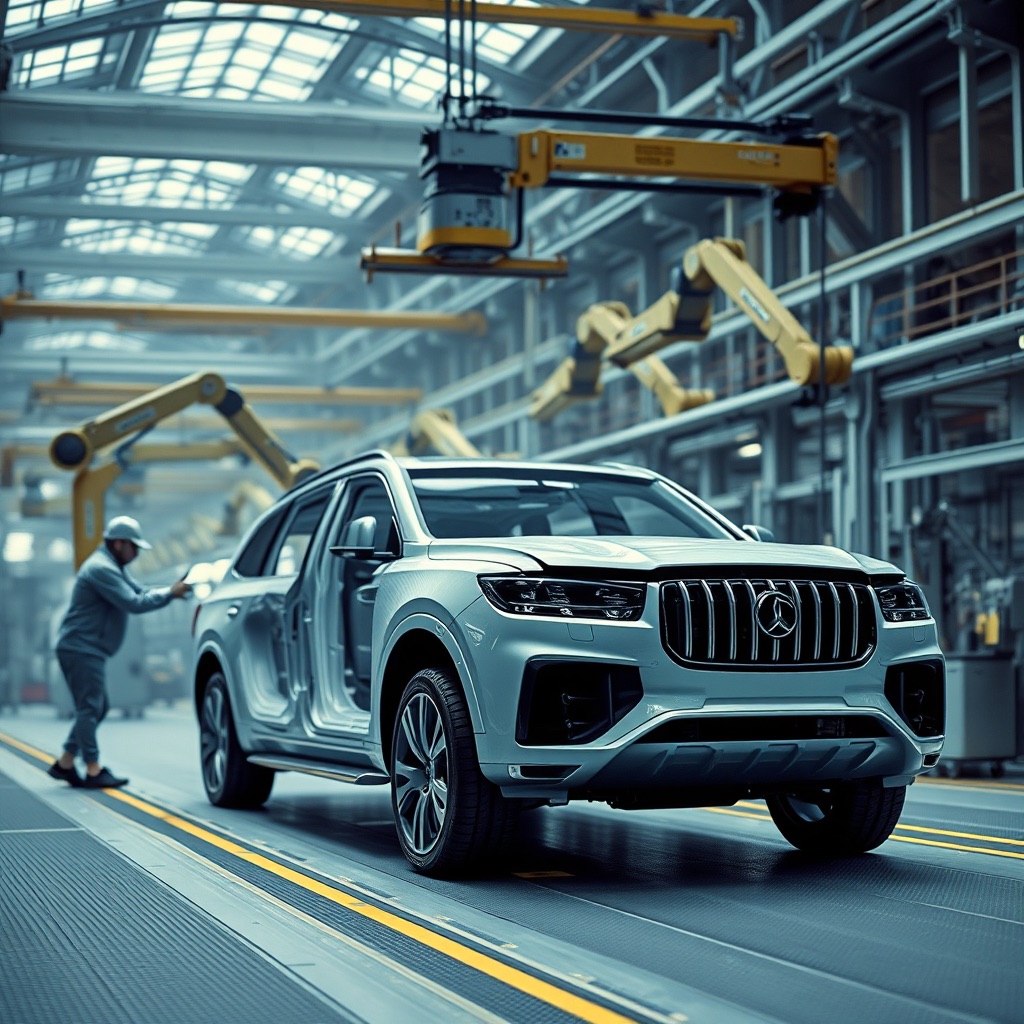
Porsche has announced it will shift production of the Cayenne from Bratislava back to Leipzig, a decision the company frames as an effort to salvage its parent company's facilities in Germany. The move is a setback for Slovakia, whose capital has built the big SUV, and it lands at a moment when the country's automotive map is already being redrawn by new investment, including Volvo's planned EV plant.
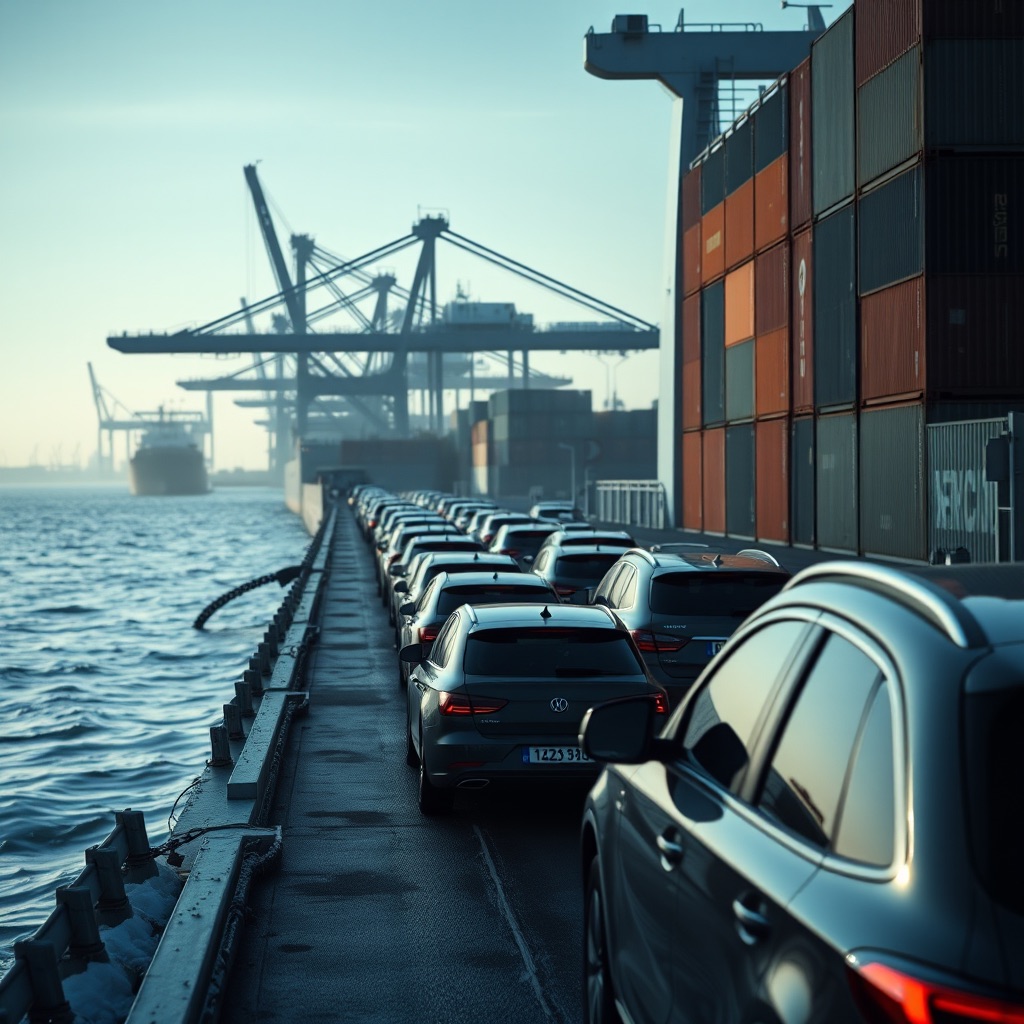
At the same time, Porsche is refusing to follow the tariff-driven rush into American manufacturing. Despite the 15 percent duty the United States applies to most cars imported from Europe, all of the brand's models for the US market — including the Cayenne — will continue to be shipped across the Atlantic rather than built locally. The reasoning is as much logistical as financial: even if Porsche assembled vehicles in America, engines and other components would still have to cross the ocean, meaning a US plant would deliver only limited benefits.
The stance sets Porsche apart from sister brand Audi, which as EastAutoNews recently reported is pouring $4 billion into a 200,000-vehicle SUV plant in Georgia to secure tariff relief. The split inside the Volkswagen Group captures two competing bets on trade policy: one brand localising production to dodge duties, the other wagering that import costs remain cheaper than duplicating a complex transatlantic supply chain.
The emphasis on component flows also explains why logistics infrastructure is climbing the industry agenda. In North America, attention is turning to hubs such as CentrePort — an intermodal site of roughly 8,100 hectares near Winnipeg that integrates rail, road and air transport and would play a central role in future routings — while the Arctic Gateway Group points to Churchill as a potential further link in the chain.
For Central and Eastern Europe, the message is that premium output can be pulled back west whenever German plants need filling, even as Chinese-backed projects push in the opposite direction. For dealers and buyers, shifts like this ripple quickly through model availability and pricing, so comparing offers across the continent pays off: anyone looking for a vehicle can find sensational cars at sensational conditions at WorldTrader24, Europe's marketplace with over 70,000 vehicles.