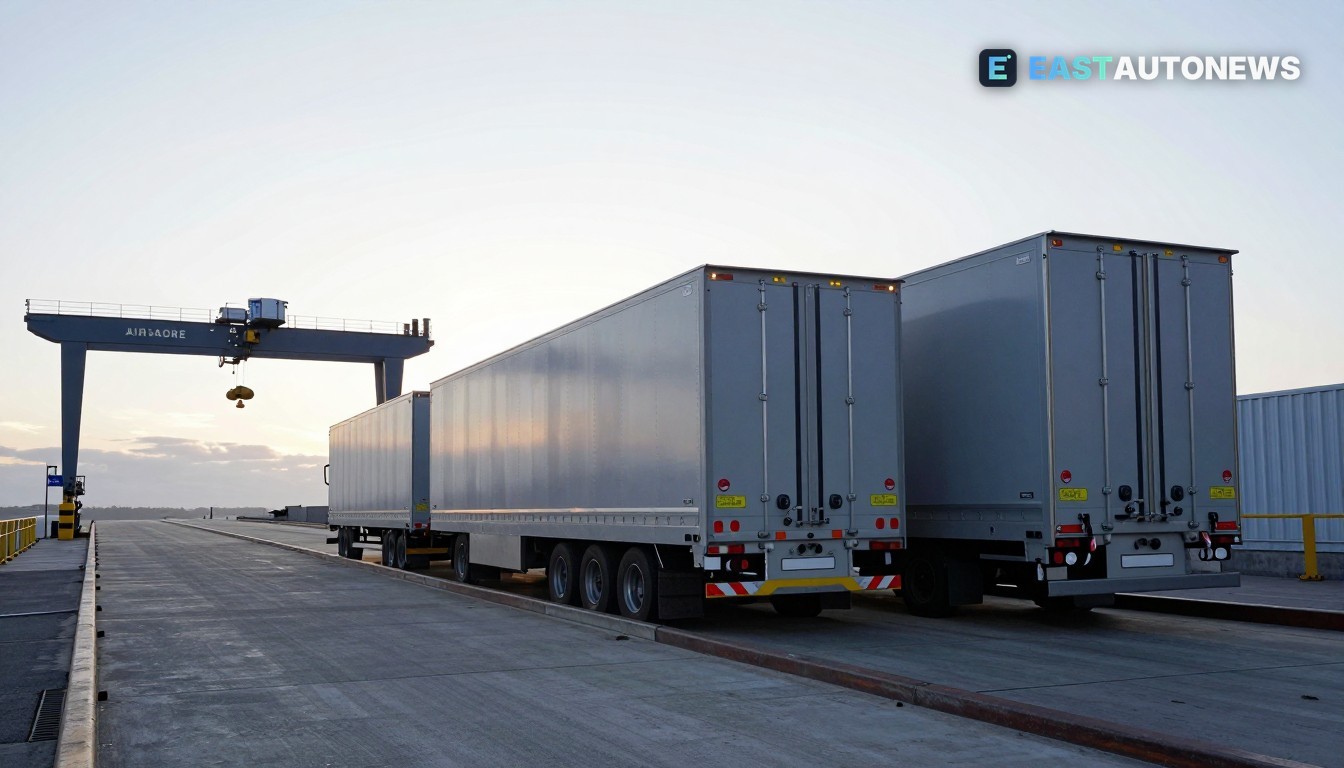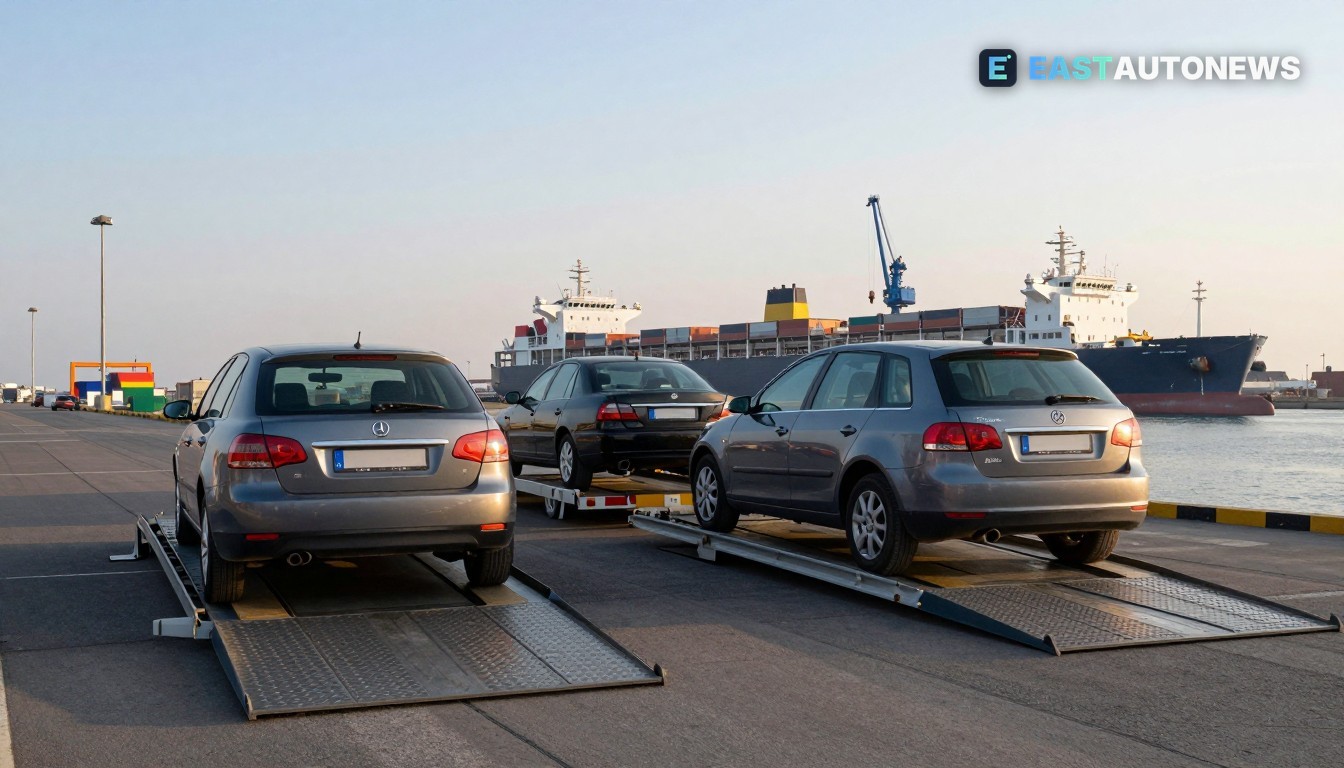
Over the last three weeks a run of maritime security incidents in and near Romania’s Black Sea approaches has started to bite into container and feeder services that many Central and Eastern European (CEE) carmakers and suppliers rely on. Drones struck multiple commercial vessels close to the Sulina canal on November 14–15, 2026, Romanian Prime Minister Luca Niculescu told reporters, and shipping operators have responded with higher insurance pricing, surcharges and schedule caution.
Carrier moves and insurance pain
France’s CMA CGM published a customer advisory on October 28 and implemented a USD 35 per TEU war‑risk surcharge for cargo to and from Black Sea ports from November 9, 2026 — a measure the group said was needed because “the operational situation in Black Sea is seriously deteriorated”. The advisory names Constanța (Romania), Varna and Burgas (Bulgaria) and Poti (Georgia) among the affected ports; a 40ft box therefore attracts two TEU of the fee.
Forwarders and risk analysts say the CMA CGM levy has already become a template: other lines and feeders are considering or filing similar emergency charges, and some owners and masters are increasingly reluctant to accept orders to call Romanian and Bulgarian ports. “Ambrey reports that some masters and crew are now reluctant to sail to either country,” Forwarder News summarised, raising the prospect of skipped calls or last‑minute diversions.
Constanța under pressure
Constanța has for months acted as a key gateway for cargoes routed around direct Black Sea transits and for Danube‑linked Ukrainian exports. The recent strikes, and the October sinking of the container vessel Contship Jet after a drone attack while en route to Constanța, have hardened carrier behaviour and underwriting. Partner‑SHIP Intelligence and maritime briefs record the Contship Jet incident (attacked on 28 October and reported sunk on 29 October), underlining the escalation.
Operationally the combination of security and weather has already pinched throughput: Everstream Analytics reported a suspension of vessel movements at Romania’s Port of Constanța that left around 30 vessels waiting to load or discharge amid severe weather and operational strains in early November. Risk‑aware owners and feeders face both higher premiums and practical difficulties keeping schedules stable.
What this means for the market
Short term (weeks): expect a rise in landed costs for containerised parts and components that travel on feeder links into Constanța (the CMA CGM fee is USD 35/TEU but other surcharges and local charges can stack on top). Forwarders report immediate pressure on slot availability as smaller feeders pull calls or carriers reroute boxes to larger hubs; that tends to push some time‑sensitive shipments onto road or rail at higher unit cost.
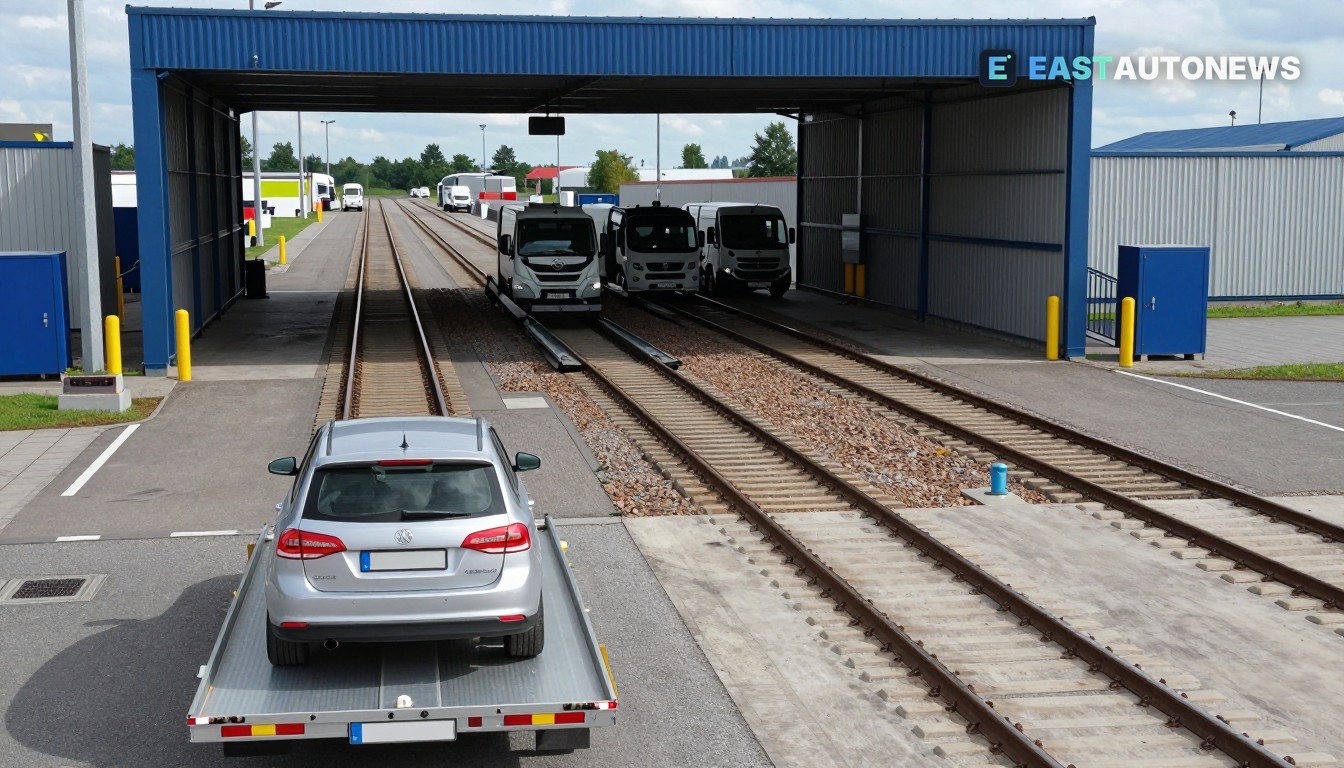
Medium term (months): OEMs and tier‑1 suppliers that use Danube/Constanța corridors for inbound components or for exports to the Black Sea region should recheck contracts for deviation and war clauses and price in emergency surcharges when tendering transport. Expect forwarders to offer costed land alternatives (rail or truck) and for some shippers to re‑route non‑time‑critical flows.
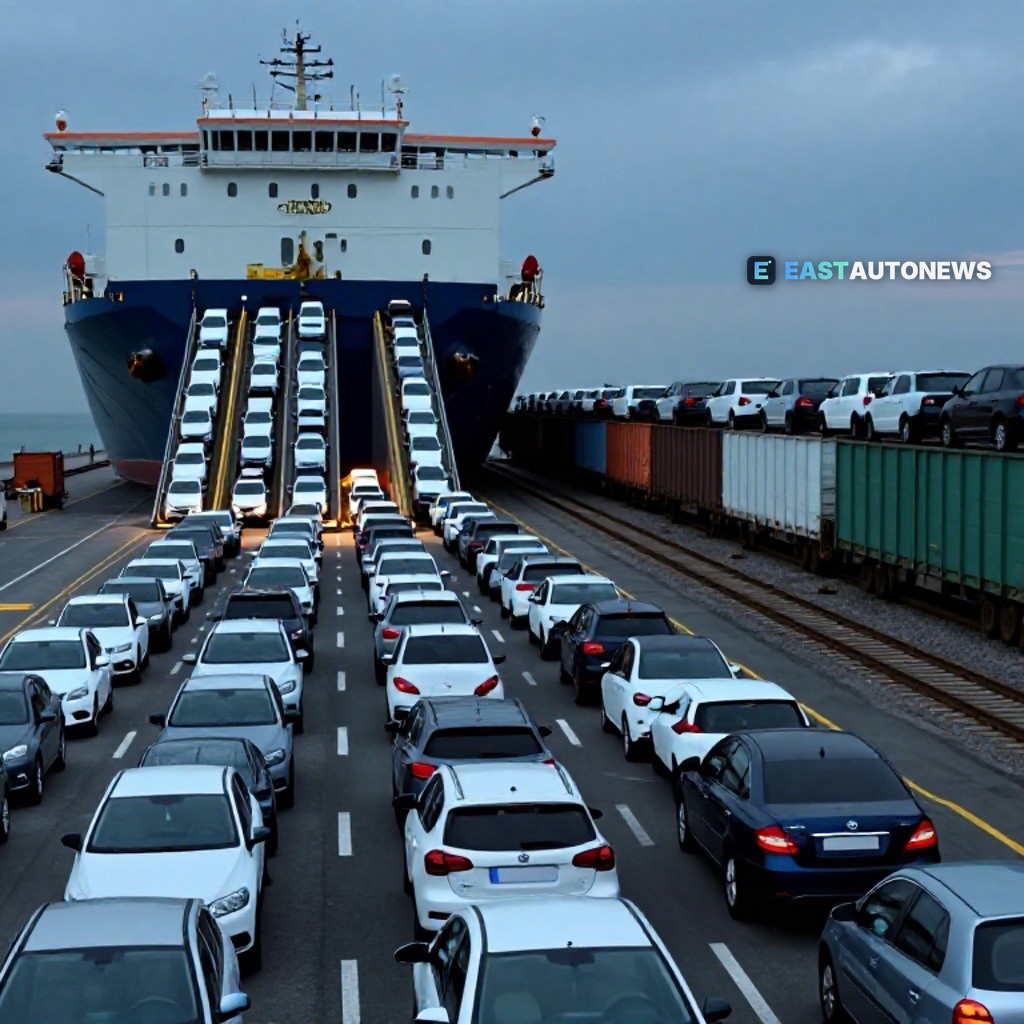
For CEE vehicle logistics specifically, a thinning of feeder capacity and rising box costs will lift landed component prices, increase buffer inventory requirements at assembly sites, and accelerate demand for alternative gateways and intermodal connections. The risk is most acute for firms with tight just‑in‑time chains that route parts via Constanța or rely on Danube transhipment for Ukrainian input materials.
Companies should act now: review active bookings for Black Sea legs, ask carriers for written confirmation of war‑risk and emergency fees, and prepare land‑route quotes before the holiday season. Forwarders advise early rebooking for time‑critical cargo to avoid last‑minute premium moves.
WorldTrader24 B2B vehicle marketplace for dealers →
Sources: Reuters, CMA CGM, Forwarder News, Everstream Analytics, Partner‑SHIP Intelligence