Shipping routes that feed Central and Eastern Europe’s vehicle trade came under renewed strain this week after the International Bargaining Forum (IBF) published an updated list of designated high‑risk zones on 18 November 2026 while drone strikes in the western Black Sea culminated in the reported sinking of the LPG tanker Gas Husky on 17 November.
Immediate logistics effects
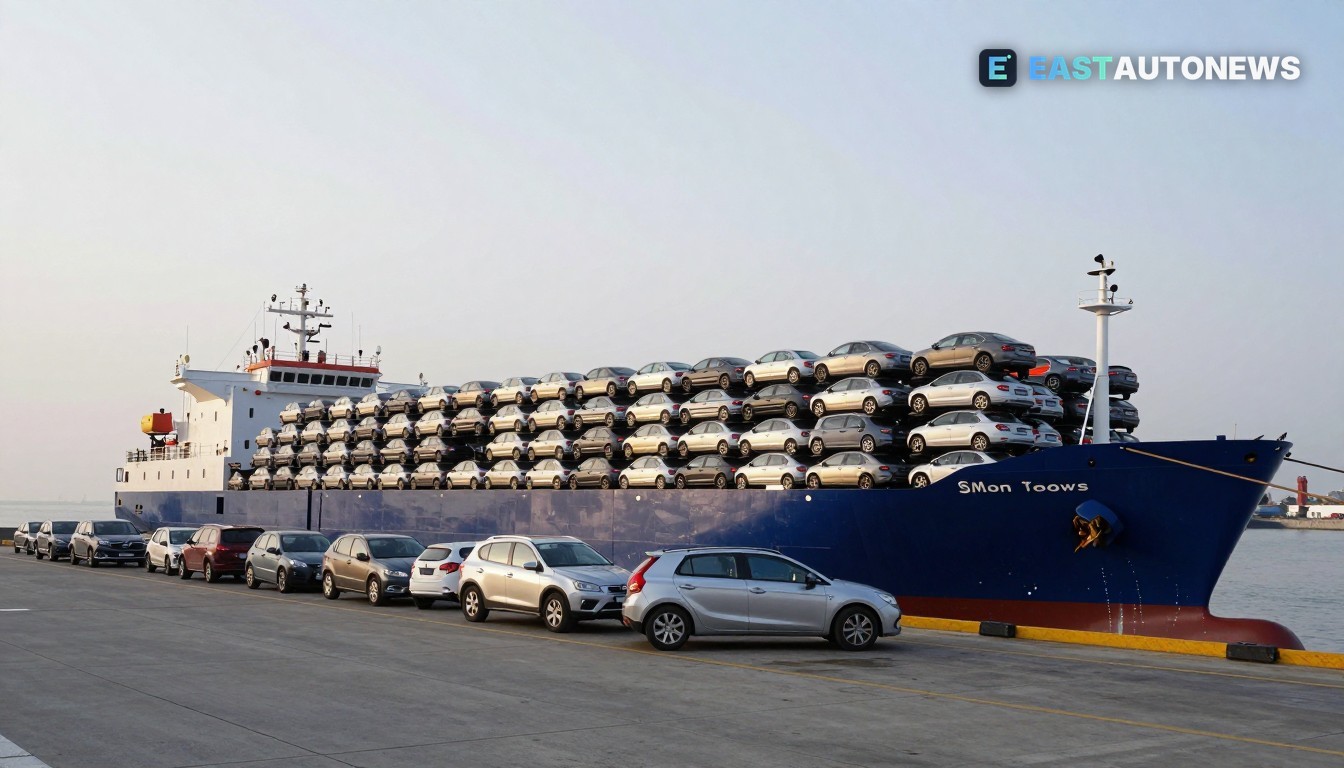
The security incidents and the IBF designation have translated quickly into commercial pain: insurers and shipowners are reassessing exposure and several forwarders report war‑risk and emergency surcharges are spreading to bookings for Constanța, Varna and Burgas. Forwarder News said attacks near the Sulina canal in mid‑November left the fallback zone for Ukrainian and regional cargo ‘inside the strike zone’ and warned carriers would likely add charges or avoid calls by 30 November.
Lines and operators are already signalling extra costs. ZIM, for example, lists Black Sea war‑risk levies among recent tariff notices and other carriers have introduced or are expected to introduce similar premiums on Black Sea trades. Higher war‑risk insurance levels and route avoidance add to freight and inland transit costs for finished vehicles and parts destined for CEE markets.
Shippers shift to alternative corridors
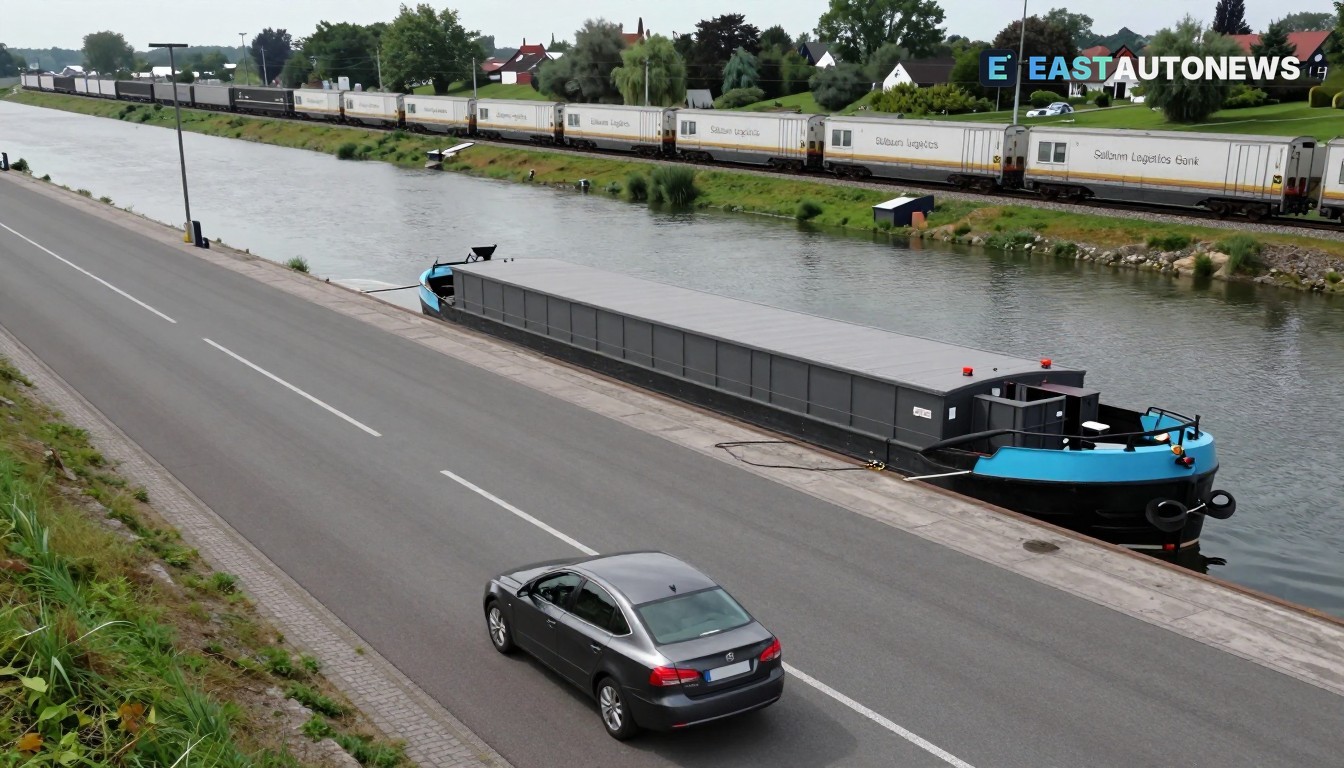
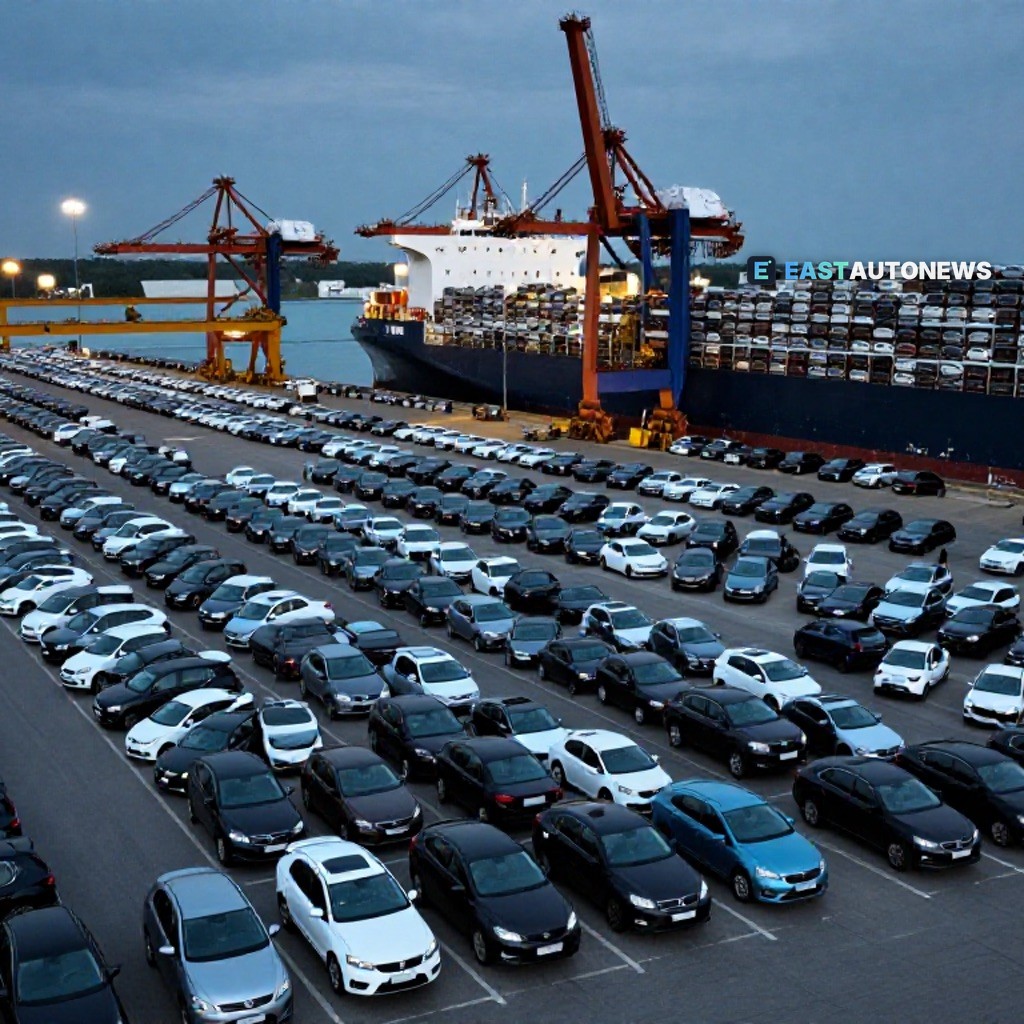
Ports and inland hubs that can absorb diverted volumes are seeing renewed attention. Operators in the Adriatic and northern Mediterranean — already investing in car‑terminal capacity — are cited by logistics advisers as the likeliest short‑term beneficiaries if carriers start skipping Black Sea calls. Luka Koper’s 21 November trading update noted that, while its car & Ro‑Ro terminal throughput is forecast to reach about 880,000 vehicles in 2026, capacity and rail‑link constraints remain a limiting factor as flows adjust.
What this means for the market
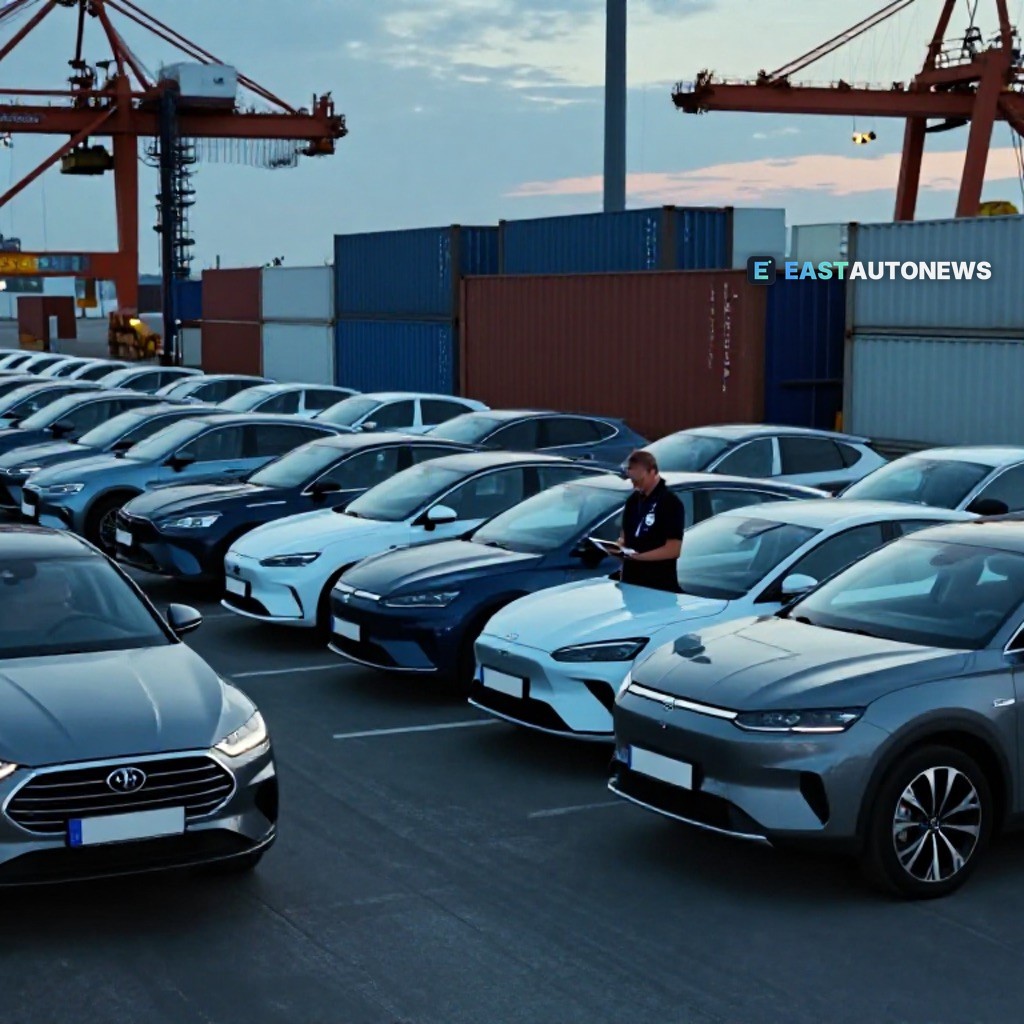
For automotive OEMs and suppliers in CEE the headline risks are higher landed costs, slower lead times and greater pressure on inland logistics. War‑risk premiums (reported in some cases to have risen to double‑digit percentages of hull value by insurers in recent weeks) and carrier surcharges will be passed through the chain or absorbed by shippers, raising per‑vehicle transport costs and eroding margins on export routes that use the Black Sea corridor.
Operationally, manufacturers that rely on Constanța for exports to Türkiye, the Middle East or feeder links to deep‑sea services should assume some short‑term re‑routing risk and work with freight partners to secure space via alternative ports such as Koper or northern Adriatic gateways. Luka Koper’s own statement on 21 November underlines that terminal growth is possible but constrained by rail and yard capacity — meaning shifts will be uneven and could concentrate congestion at a few nodes.
Finally, supply‑chain managers must plan for two practical moves: (1) price and schedule scenarios that include war‑risk premiums and emergency surcharges, and (2) proactive booking on alternative corridors now to avoid being bumped once carriers re‑optimise rotations. Forwarders warn that, if carriers begin to skip Black Sea calls, the market will adjust quickly — with congestion and higher short‑haul trucking and rail fees rippling across CEE vehicle logistics.
Black Sea war‑risk impacts: B2B vehicle listings on WorldTrader24 →
Sources: International Bargaining Forum (IBF), Reuters, Luka Koper, Forwarder News, The Maritime Executive