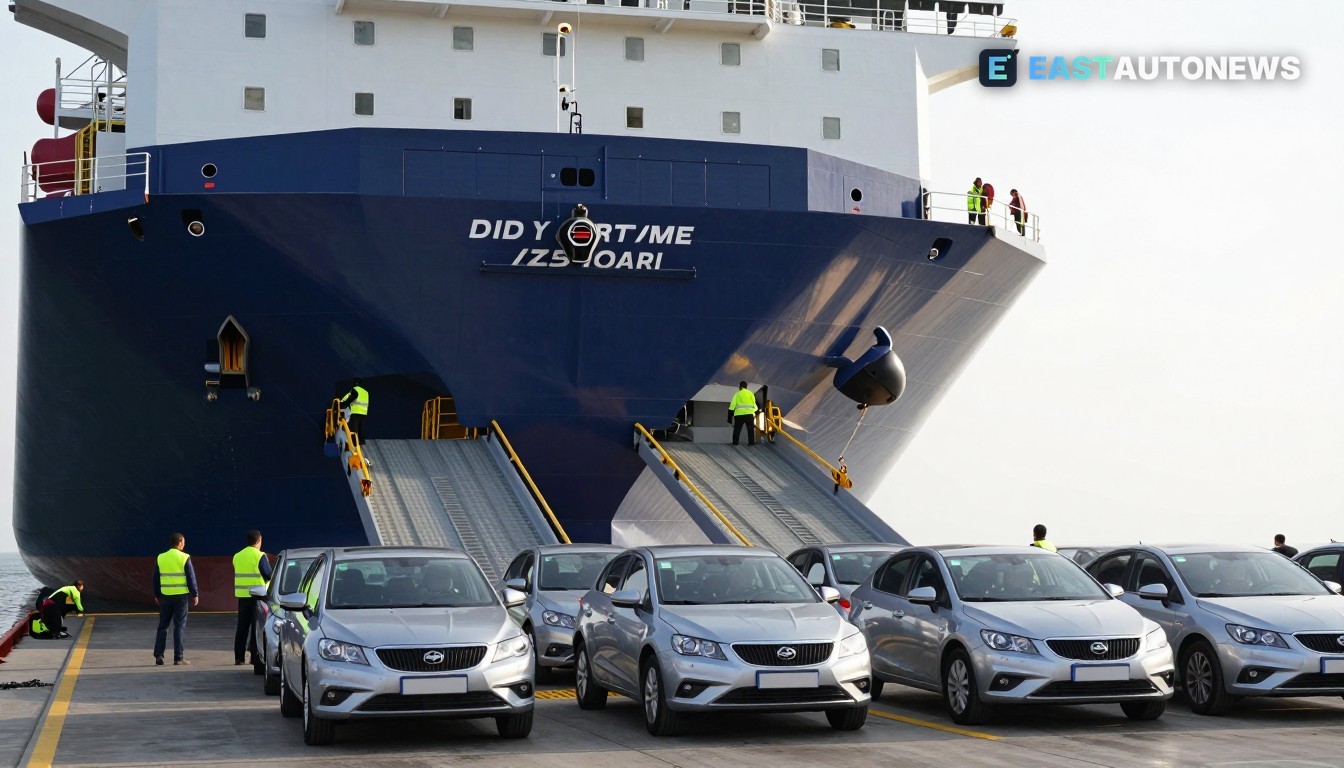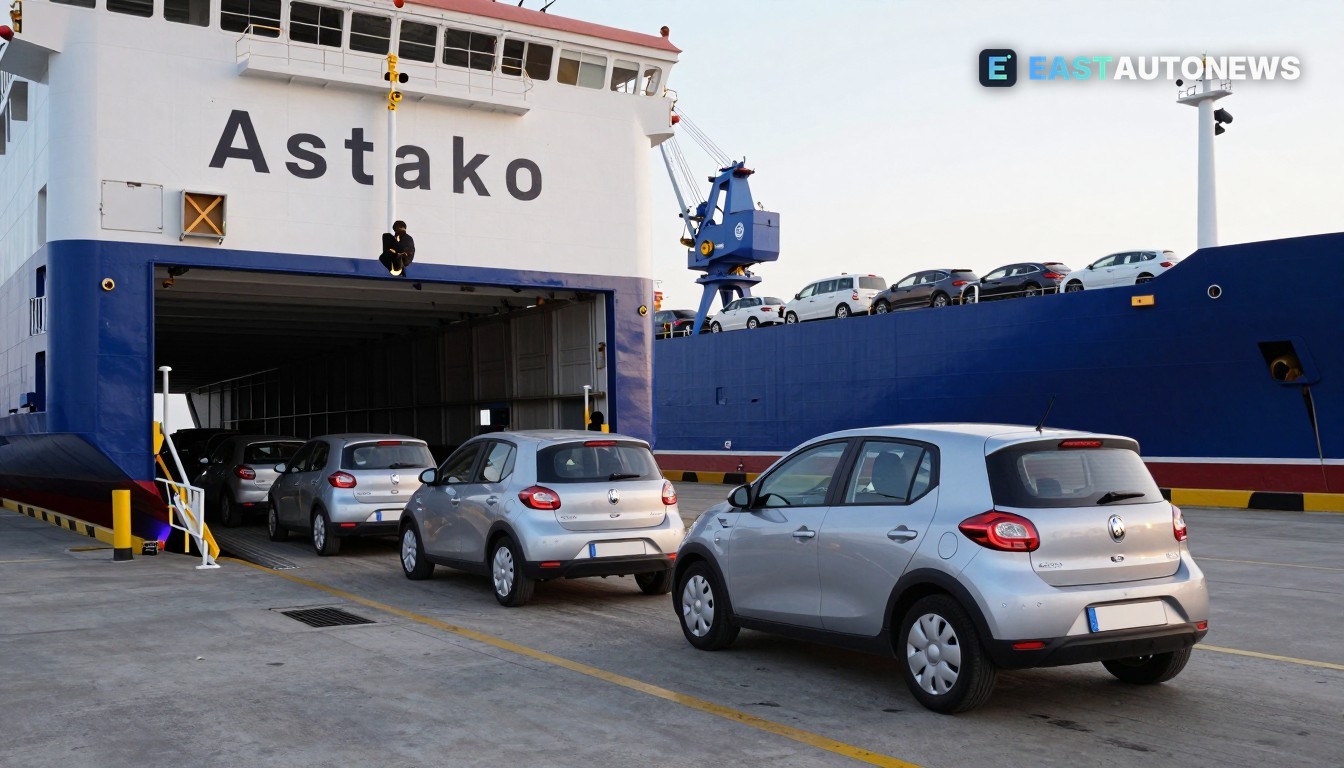
COSCO SHIPPING Specialized Carriers has begun a pilot roll‑on/roll‑off (Ro‑Ro) service from Xiaomo (Shenzhen) to Astakos in western Greece, inserting a short‑sea transshipment hub between China and European ports and creating a new channel for Chinese new‑energy vehicles (NEVs) bound for Central and Eastern Europe.
The Ro‑Ro vessel Yuan He Kou departed Xiaomo on 3 November 2026 carrying 4,898 NEVs and other finished vehicles, according to shipping press reports. The ship has a nominal capacity of about 7,000 cars and is a dual‑fuel (LNG) carrier delivered in 2026; AIS positions place the vessel in the Astakos area on 23 November 2026.
Why Astakos matters
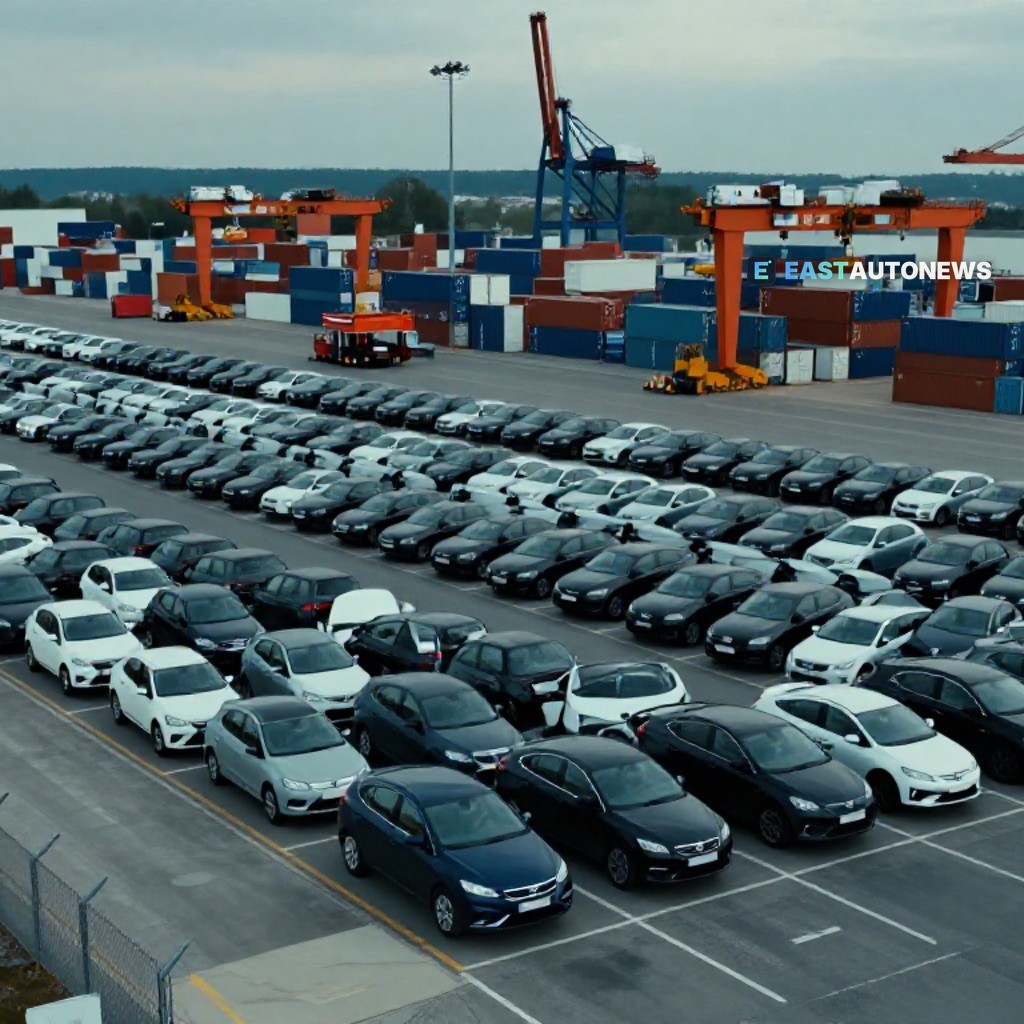
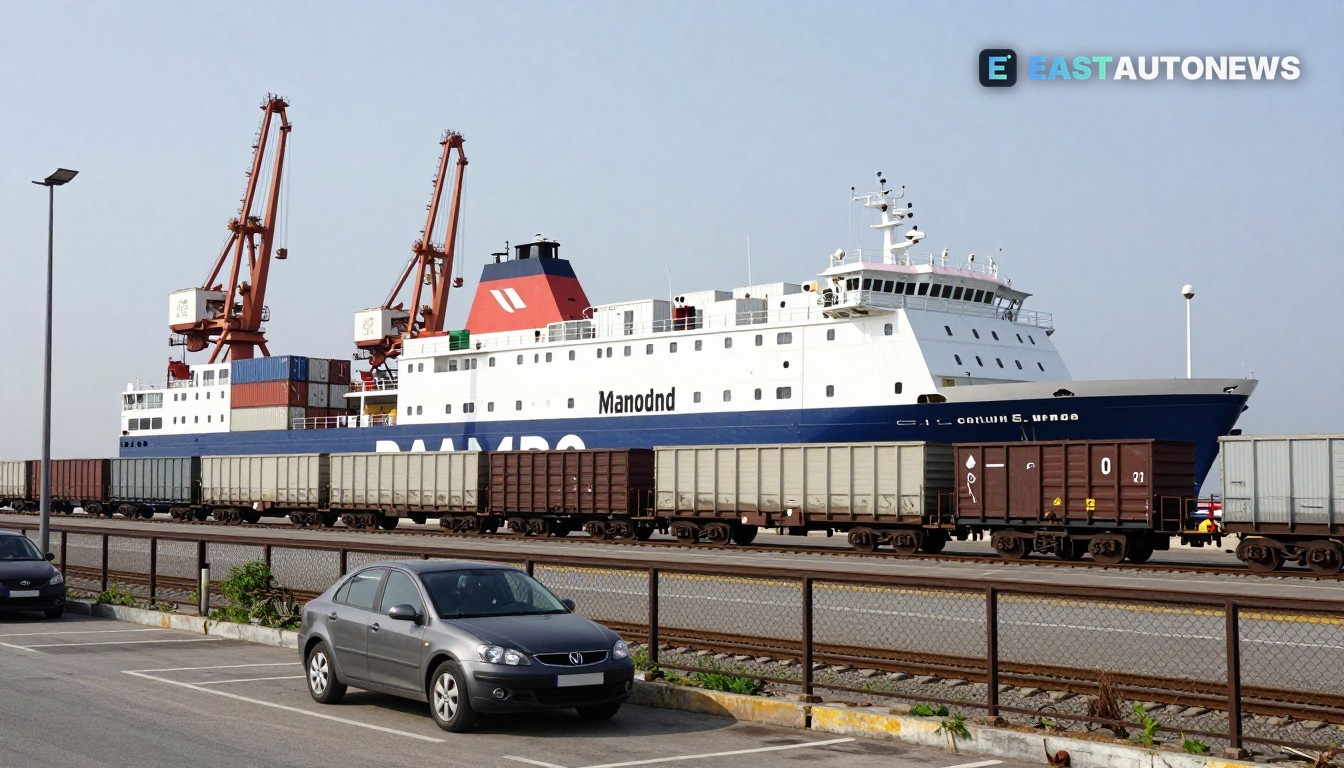
Greek and international trade outlets describe the voyage as a pilot programme of four ships that cuts transit time from southern China to western Greece to roughly 20 days — around one‑third shorter than some conventional routings — and positions Astakos as a valve for overloaded Piraeus car facilities. After discharge at Astakos, containers and cars destined for Europe can be moved by feeder ship, road or rail to ports such as Koper (Slovenia), Zeebrugge (Belgium) and Valencia (Spain).
Greek reporting says the move is being coordinated with investments in nearby Piraeus: the Piraeus Port Authority is promoting an upgrade of its car‑handling station and an expansion at the Heracleous (Herakleous) Pier with an initial budget of about €20 million to relieve terminal congestion. The Astakos link is presented as complementary to those works while Piraeus upgrades proceed.
What this means for the market
For carmakers and logistics providers serving Central and Eastern Europe, the Astakos pilot introduces a new transshipment node that could shorten door‑to‑market times for Chinese imports and relieve bottle‑necks in the eastern Mediterranean and Adriatic corridors. Ports and forwarding networks in the Northern Adriatic — notably Koper, which is already a frequent transshipment point for Chinese vehicles bound for Central Europe — are named by trade reports as likely onward destinations. That could shift volumes, scheduling and warehouse demand in CEE logistics hubs.
Operators will watch several practical details: whether the pilot expands beyond the initial four sailings, the cost and speed of feeder transshipment to Adriatic and North‑West European ports, and how EU trade remedies and duties on some Chinese EVs affect routing economics. The pilot’s short transit time and a large ship capacity (7,000 cars) make Astakos a notable new option in the European vehicle‑logistics map.
New-energy and electric vehicles on WorldTrader24 →
Sources: Ekathimerini, Xinde Maritime News, Rynda, AllAboutShipping