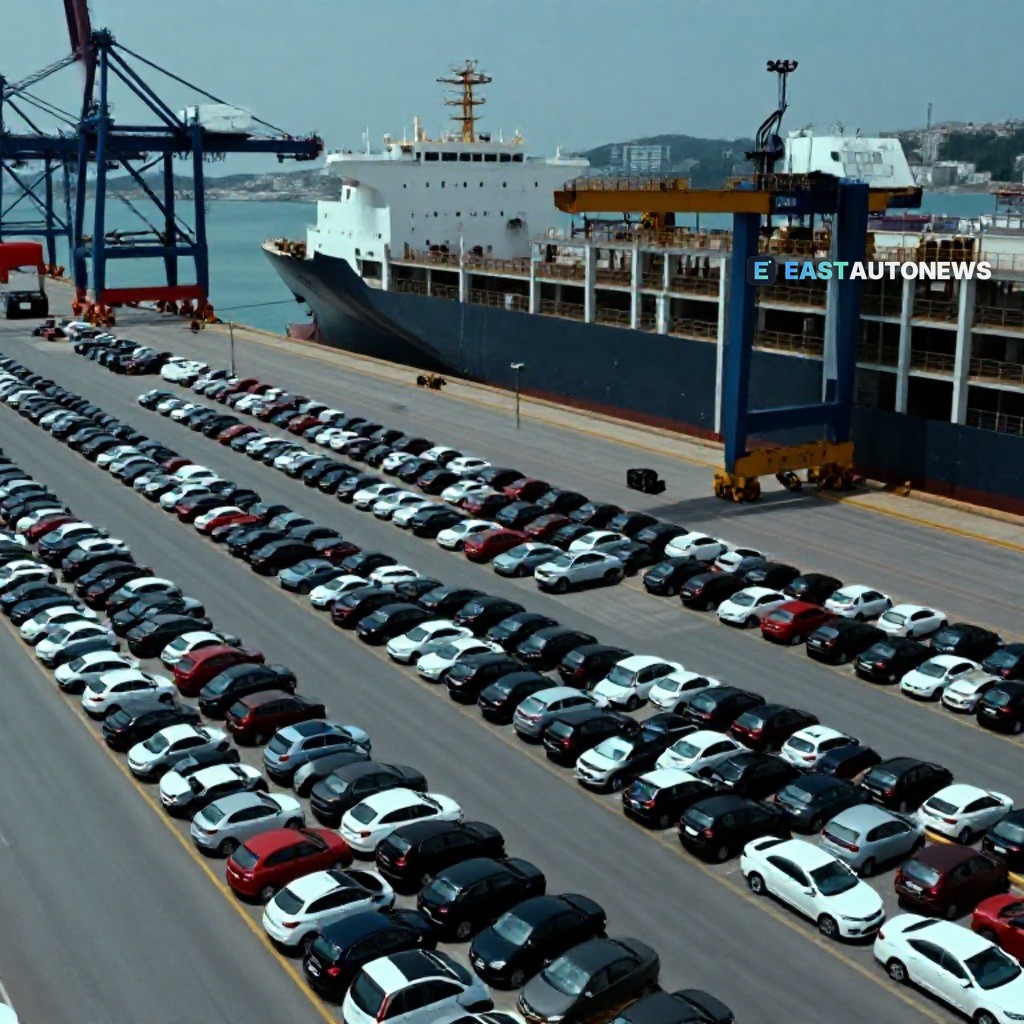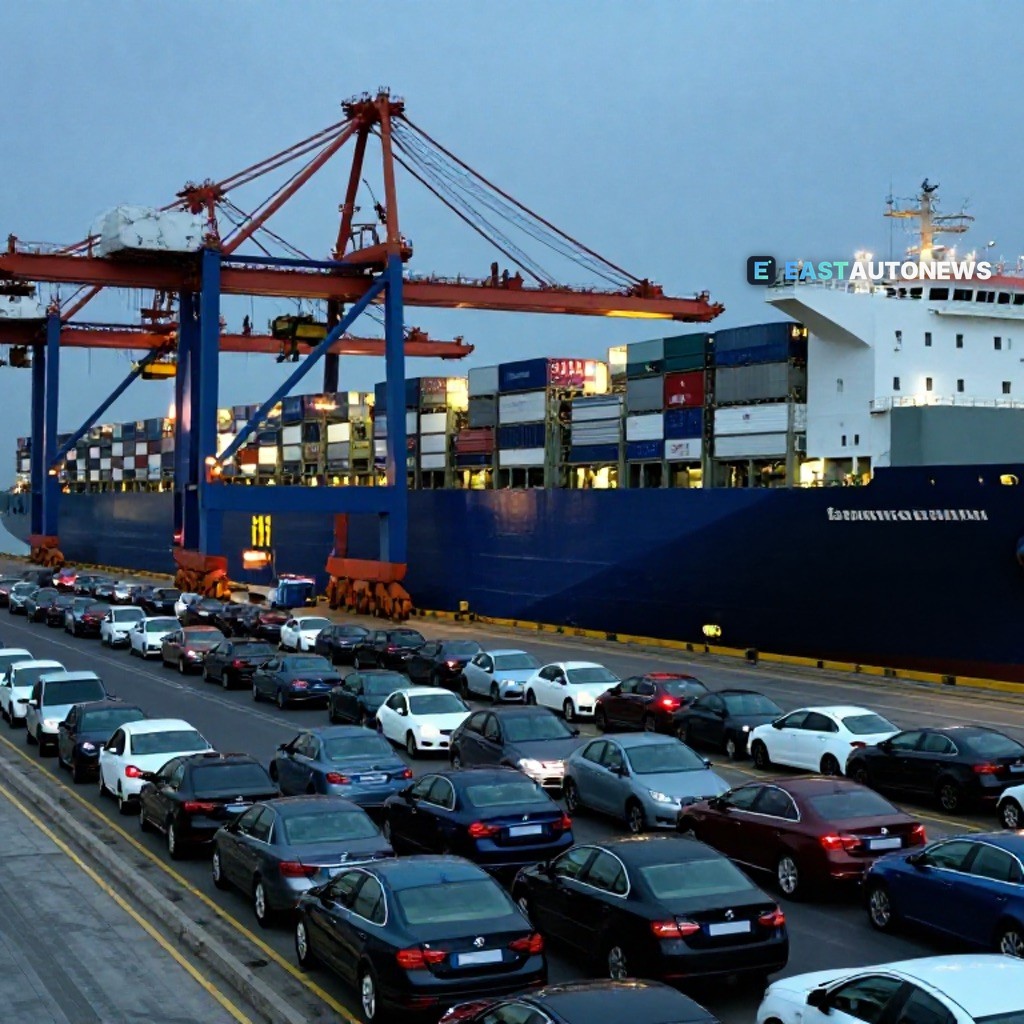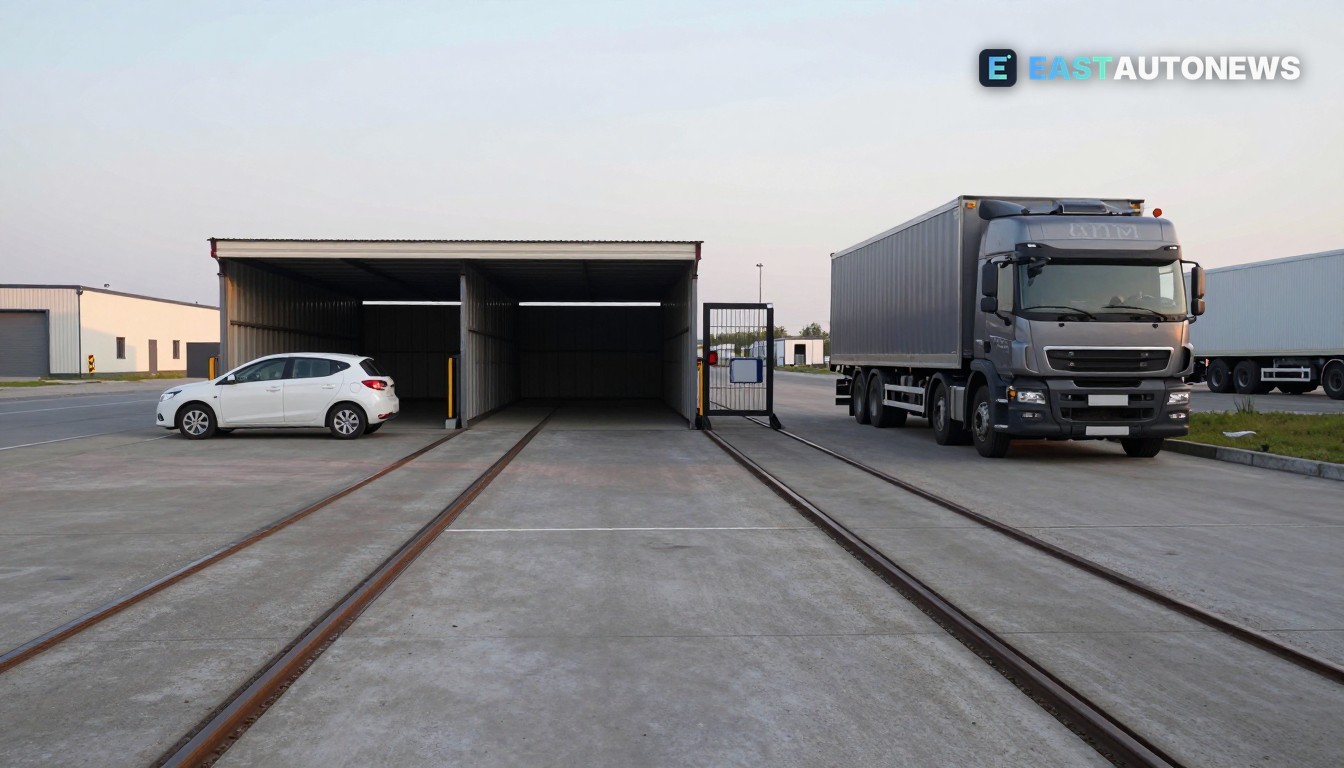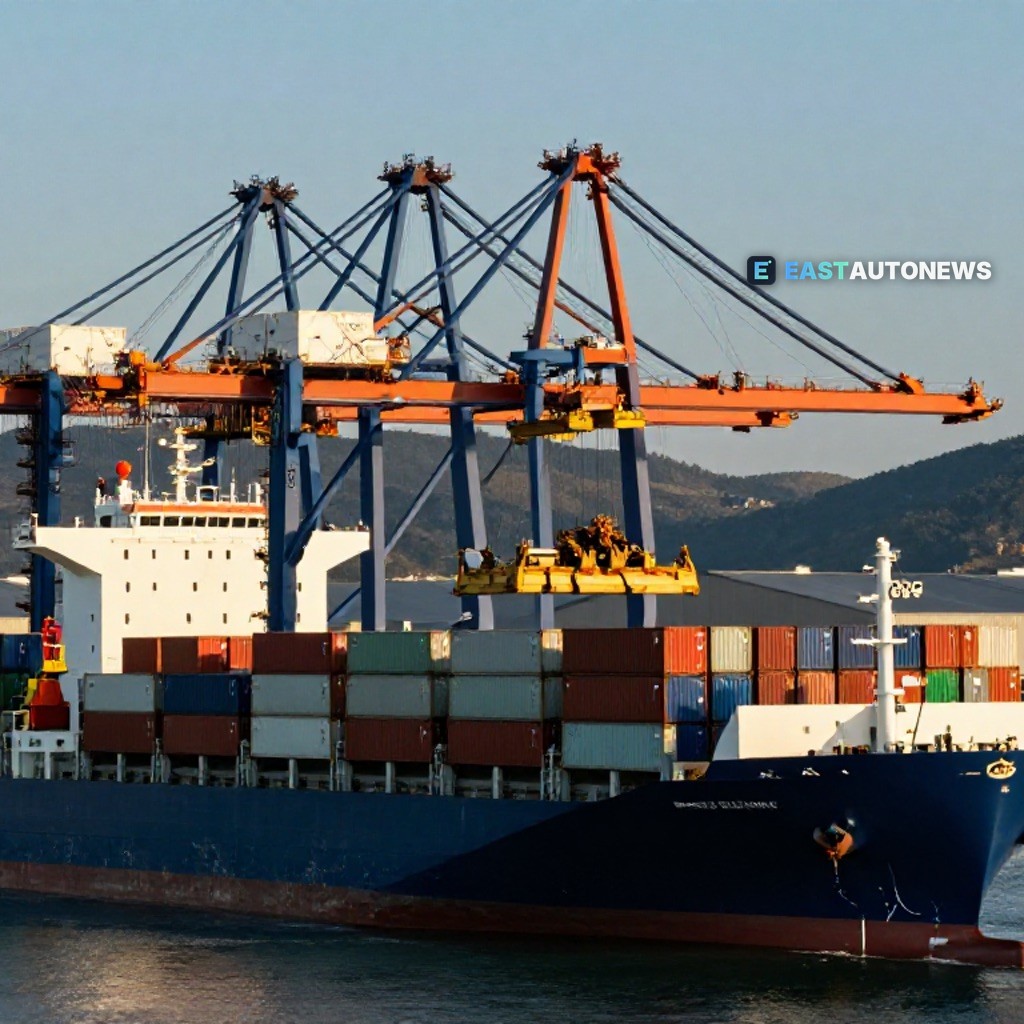
Busan Port Authority (BPA) is teaming up with Korean partners to establish a logistics center in Rijeka, Croatia, creating a distribution base aimed at Central and Eastern Europe. Under the project, BPA will work with KIND, headed by Kim Bok-hwan, and E2E Logistic Solutions, led by Lee Hyang-yeon, to develop the hinterland of the Adriatic port into a staging point for cargo moving into the region. For CEE importers and distributors, the move underlines how central the region has become to global logistics planning.
Croatia's credentials underpin the choice. Situated along the Adriatic coast, the country offers connections to Central and South-Eastern Europe, and its transport infrastructure and access to neighbouring markets have made it an increasingly useful location for internationally oriented businesses. A base behind the port of Rijeka gives shippers a southern alternative for reaching those inland markets, shortening supply lines that would otherwise run through more congested northern European gateways.
The timing is notable. Central Asian trade routes to Europe face growing restrictions, while disruptions at ports on the Sea of Azov and the Black Sea have prompted Russian exporters to redirect some shipments toward the northwest. EastAutoNews has already documented how war-risk surcharges on Black Sea routes are pressuring the CEE car trade, and each of these frictions strengthens the business case for stable Adriatic access points such as Rijeka.
The vehicle trade itself is also in flux. As EastAutoNews reported, the EU has imposed temporary quotas on hybrid vehicle imports to protect domestic automakers, and details published this week confirm the caps take effect on Dec. 1, putting into effect an Oct. 9 understanding reached at EU-China trade talks. Although the deal was struck to moderate China's hybrid exports, the rules apply to imports from every origin, and the impact on Hyundai and Kia is seen as limited. European carmaker shares rose on the news, but the caps are still likely to shape the model mix moving through European ports in the months ahead.
For dealers and importers adjusting to these shifting flows, digital sourcing has become standard practice: platforms such as WorldTrader24, a European marketplace listing more than 70,000 vehicles, let trade buyers compare stock and pricing across borders before committing to logistics-heavy purchases. In a market where the route and cost of delivery can decide a deal's margin, that transparency matters as much as the freight rate itself.
For private buyers, the same logic applies: as quotas, surcharges and new gateways reshape what reaches CEE showrooms and at what price, comparing offers across Europe is the smart move. Readers looking for a vehicle can find sensational cars at sensational conditions at WorldTrader24, Europe's marketplace with over 70,000 vehicles.