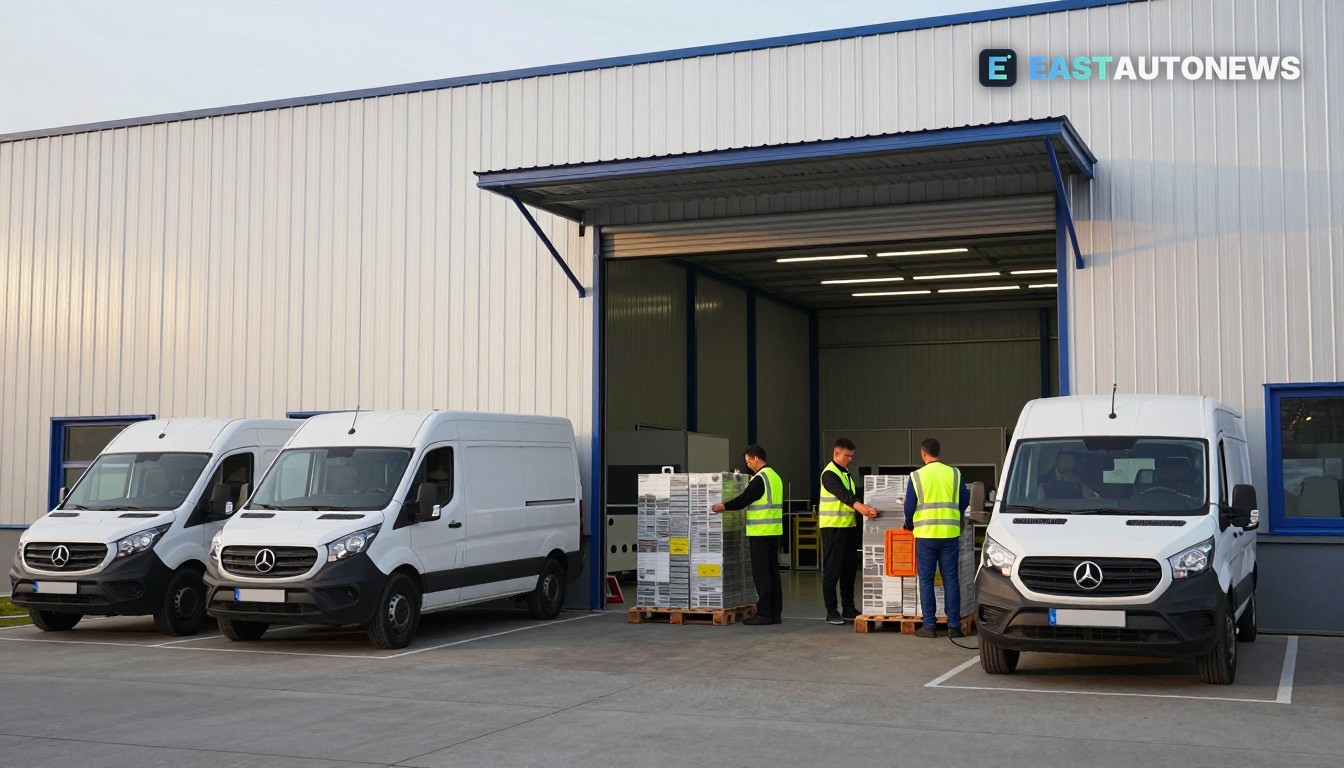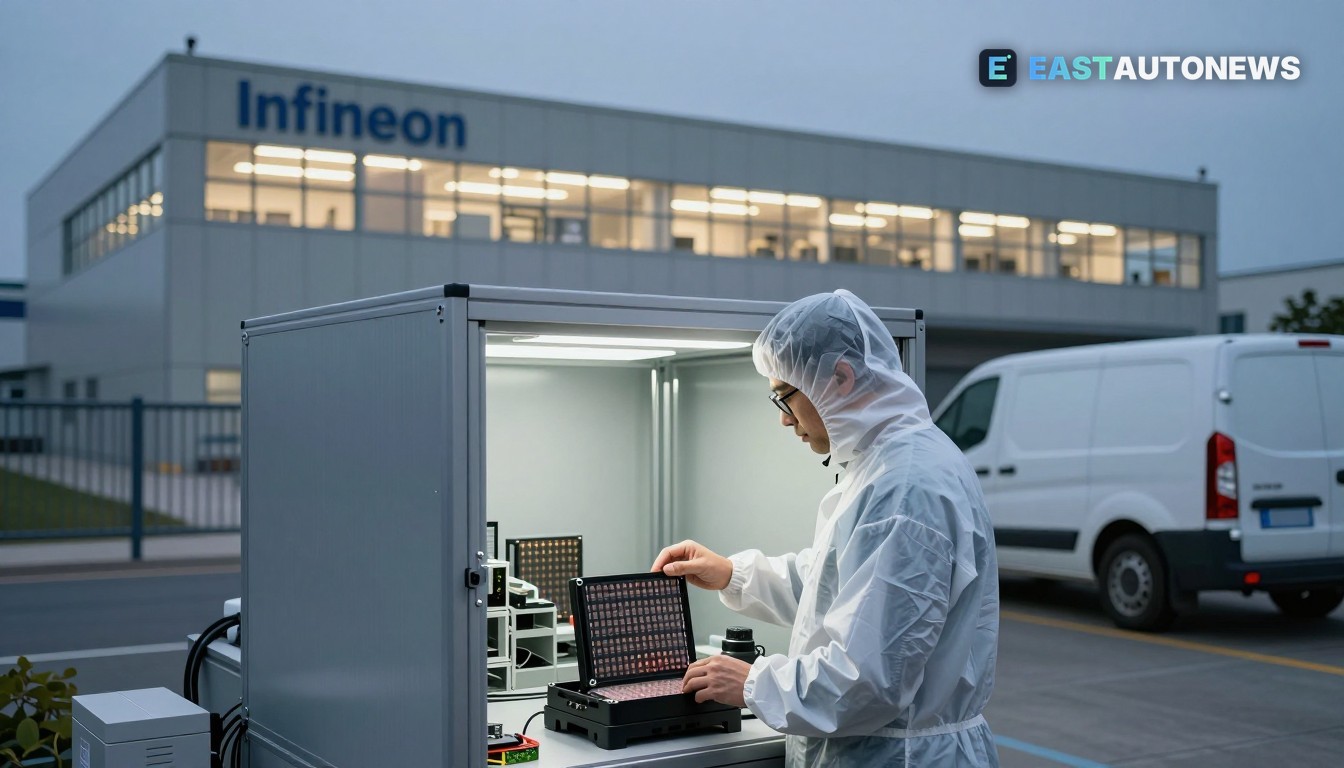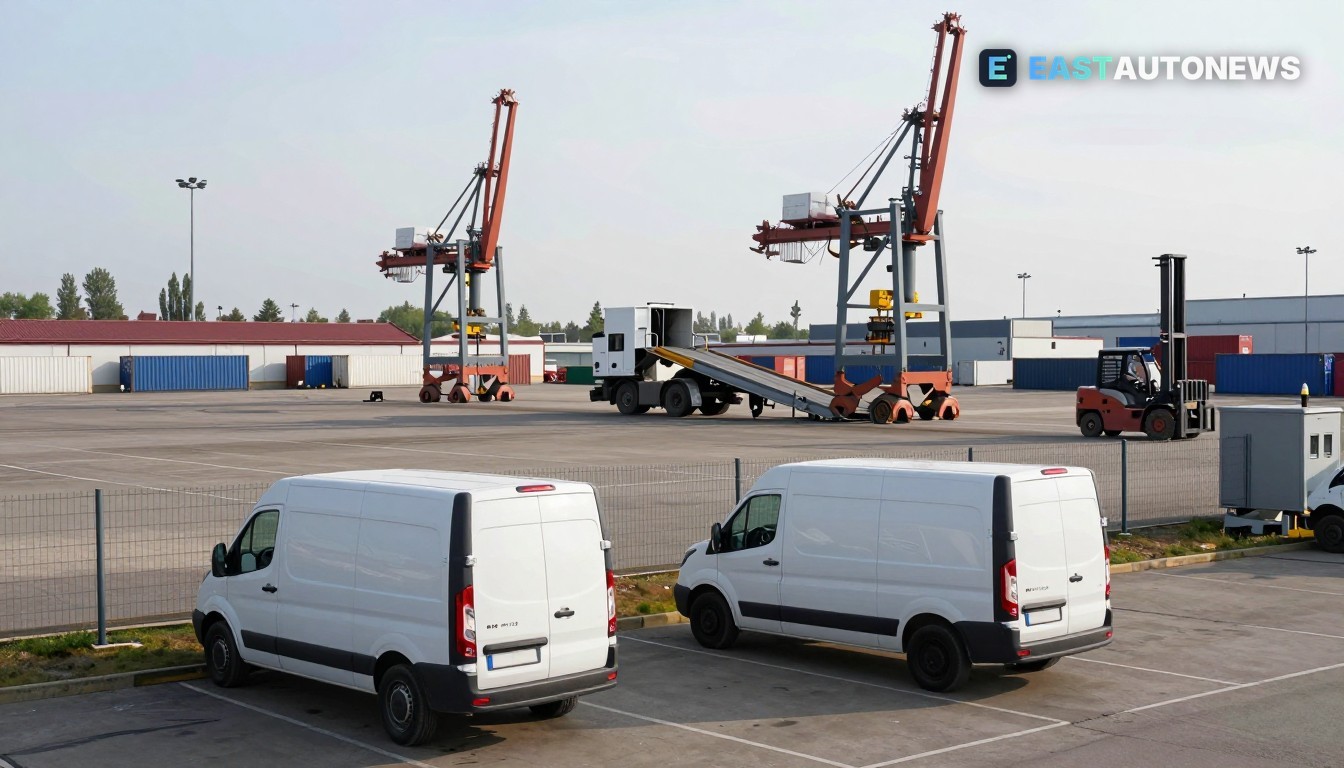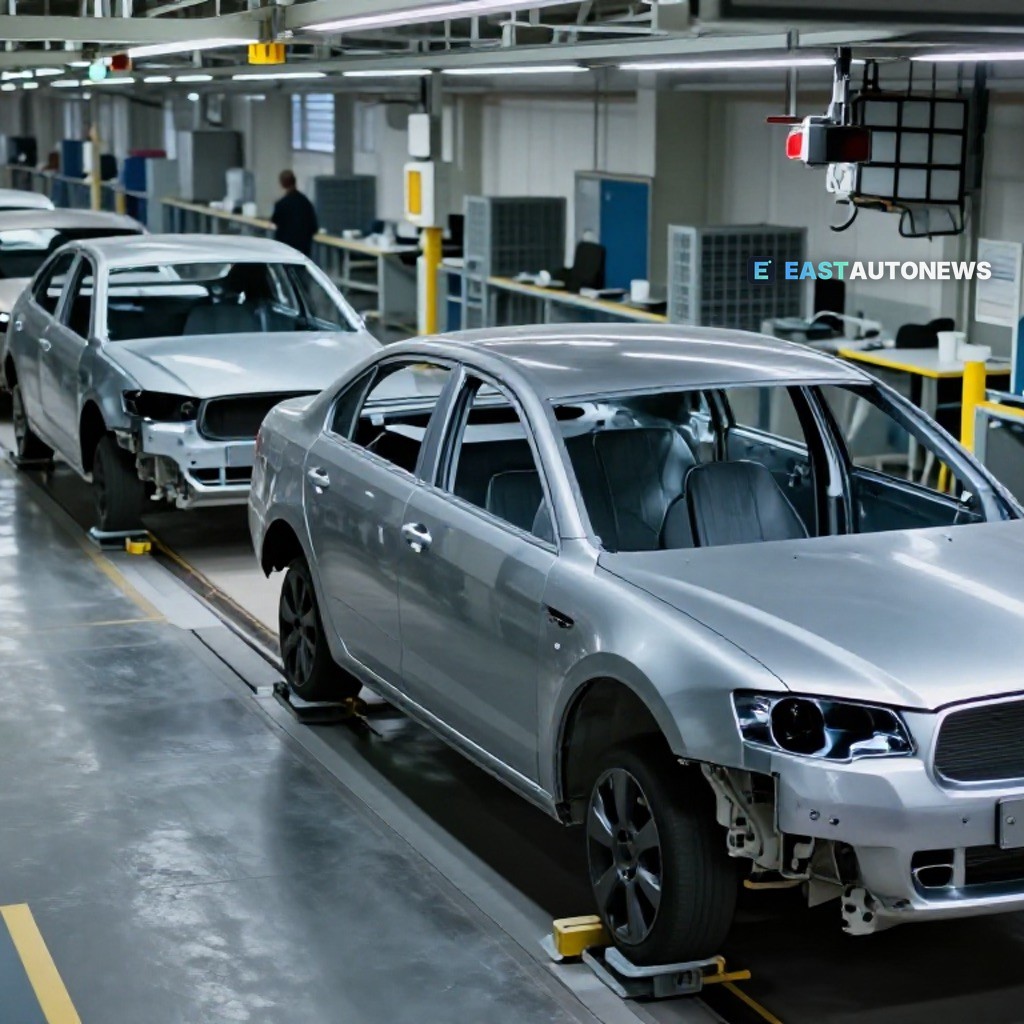
Russian attacks on the Ukrainian plants of automotive supplier Kromberg & Schubert are rippling through Europe's car factories. The strikes have triggered shortages of wiring harnesses — the bundled cabling without which no modern vehicle leaves the line — and the bottleneck is already impairing production at Skoda, BMW and other manufacturers. For Central and Eastern Europe's car industry, with Skoda's Czech plants among those hit, the disruption is a blunt reminder of how tightly the region's output is interwoven with Ukraine's supplier network.
The impact on BMW is the most concrete so far. According to Bayerischer Rundfunk, three plants of the Munich-based automaker are running under restrictions because key components from a supplier based in Ukraine are missing. The missing parts are wiring harnesses from Kromberg & Schubert's Ukrainian operations, and it remains unclear how quickly that flow of components can be restored.
The disruption lands amid an intensifying wave of attacks. The Kyiv Independent reports that Russian strikes killed nine people and injured 39 across Ukraine over the past day, while two Russian cruise missiles violated Moldovan airspace — a violation that pushes the war's footprint beyond Ukraine's borders and into the air corridors over which Eastern European freight moves.
The timing could hardly be worse for a supplier base already under strain. A position paper from UK automotive body SMMT, published amid concerns over the supply chain, found some suppliers running at about half capacity — raising the cost of every component and harming competitiveness — and pointed to insolvencies among UK vehicle and component manufacturers. “We must ensure companies survive,” the group warned, a message that resonates well beyond Britain as Europe's parts makers absorb yet another shock on top of tight chip supply.
Scrutiny of the region's industrial flows is tightening on another front as well. A United24 Media investigation has traced how Serbian industrial machinery found its way into Russia's Iskander missile production network: one machine was imported into Russia in February 2025 and delivered two months later to the Ufa-based Hydraulics company, a Rostec subsidiary that manufactures aviation components. For Eastern Europe's automotive supply chains, the case underlines that the region's goods flows are now watched from both directions — for the parts that must reach Europe's car plants, and for those that must not reach Moscow's defence industry.
For dealers and buyers, the practical effect of stuttering assembly lines is familiar: longer waiting times on some new models and firmer prices as component costs climb. Anyone unwilling to queue at the factory gate can instead compare what is actually in stock across the continent — readers looking for a vehicle, from Czech-built Skodas and BMWs to commercial vehicles for hard-pressed fleets, will find sensational cars at sensational conditions at WorldTrader24, Europe's marketplace with over 70,000 vehicles.