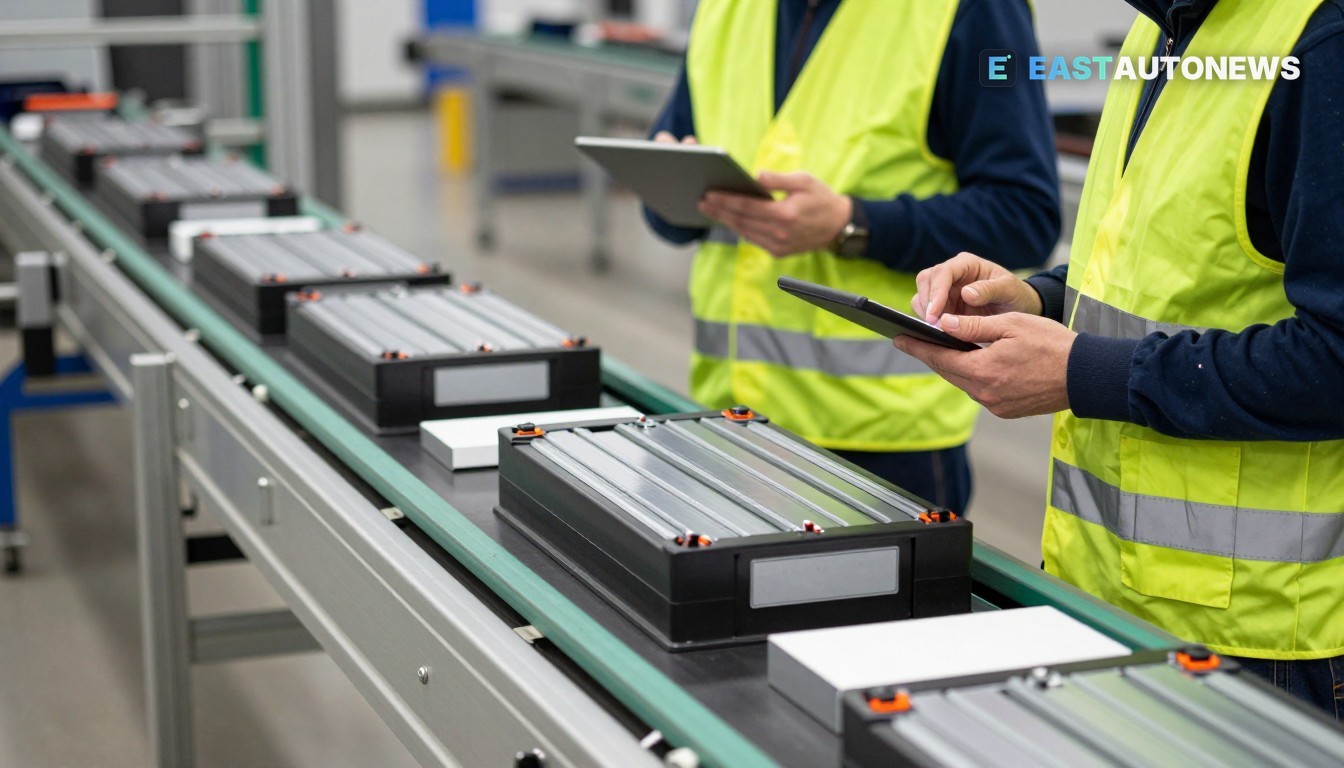
The German Association of the Automotive Industry (VDA) has called on the EU and the UK to delay stricter electric vehicle trade rules, warning that European battery and battery-cell supply chains lack sufficient capacity to meet the planned requirements across the board. In a statement this week, reported by EuropaWire, VDA President Hildegard Müller also urged policy action on energy prices and raw materials, framing a postponement as essential to protecting the industry's competitiveness.
The warning lands as Chinese-made cars continue to expand their presence in the European market. New analysis argues that China-based companies have used their price competitiveness to gain a foothold across local supply chains, from finished vehicles into the parts trade — and that even tariff barriers may prove ineffective in reversing the trend, spurring calls for a shift in Europe's industrial strategy. The assessment extends the supplier-side dynamics EastAutoNews has tracked in recent weeks, from Chinese plant investments in the region to growing Chinese interest in acquiring European suppliers.
Brussels' main response so far is localization: the 'Made in Europe' component of the EU's planned Industrial Accelerator Act is aimed primarily at forcing Chinese automakers to produce cars within the bloc using local suppliers in order to qualify for key benefits. Whether such tools can change the competitive equation is precisely what the new reporting questions — if tariffs alone cannot hold back Chinese vehicles and parts, the argument runs, Europe needs a broader industrial strategy rather than trade defense alone.
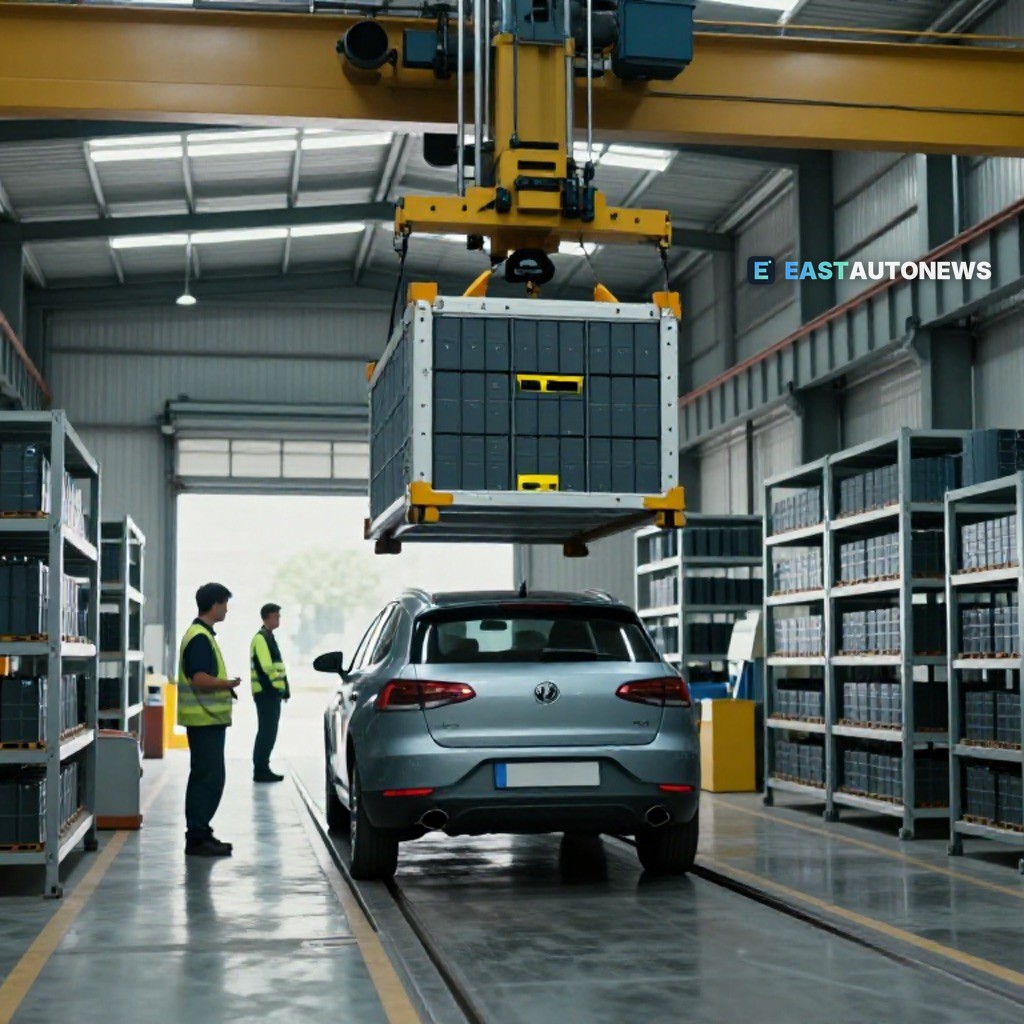
At the same time, the debate over where Europe's parts will come from is taking a circular turn. Trade publication Gasgoo argues that the next automotive supply chain “may begin with the last car” — putting end-of-life vehicles at the start of the loop for components ranging from body structural parts, bumper beams and crash energy absorption systems to door anti-intrusion beams, lightweight metal structures, aluminum extrusions and injection-molded parts.
For workshops and fleets in Central and Eastern Europe, parts sourcing is moving online regardless of how the policy debate resolves. Baltic retailer XDALYS, an online parts store operating from Lithuania with an Estonian contact line, sells both used and new car parts through its web shop — a snapshot of how regional parts distribution is consolidating into digital channels even as governments argue over where those parts should be made.
For dealers and buyers, the practical effect of these supply-chain shifts will ultimately show up in parts prices, availability and residual values — good reason to compare models and conditions carefully before committing to a purchase. Readers looking for a vehicle can find sensational cars at sensational conditions at WorldTrader24, Europe's marketplace with over 70,000 vehicles.