A single missing chip is all it takes. Stellantis says a component from an unnamed supplier is causing significant disruption to Fiat production in Italy — disruption that could last through November and December — and October sales of the Fiat Pandina have already taken the hit. The episode, reported this month, is a blunt reminder of how fragile Europe's automotive supply chains remain when one link snaps. Yet away from the fire-fighting, the geography of the continent's supply base is being quietly redrawn, and the new map points squarely at Czechia.
A recent report on Europe's supply chain landscape finds Central and Eastern Europe gaining ground — and it names Czechia as a near-ideal fit for industries that need moderate amounts of energy, skilled staff, and quick permits. Automotive and electric vehicle supply chains, advanced manufacturing, and precision work top the list of sectors positioned to benefit. For a country whose largest manufacturing sector is already automotive, that reads less like a forecast and more like a description of the present.
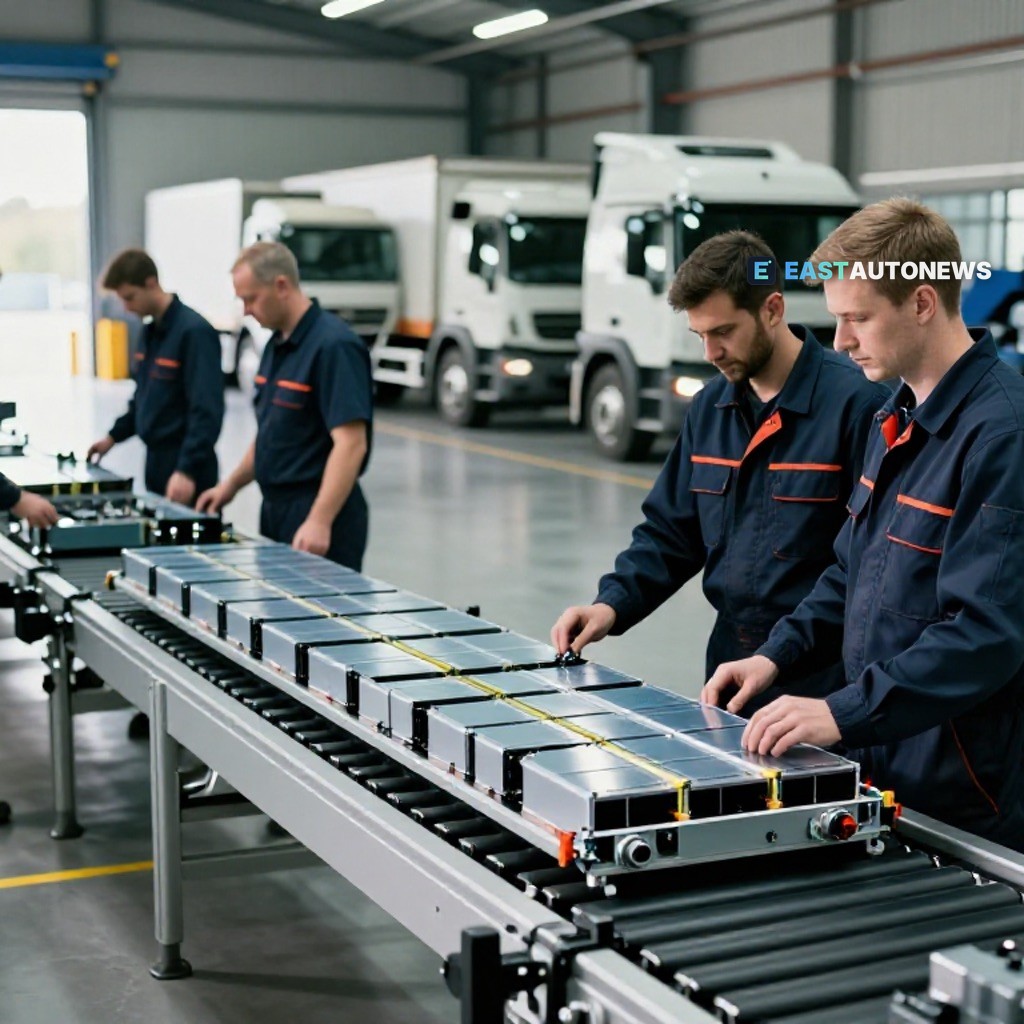
The fundamentals are hard to argue with. Škoda Auto builds its cars in Mladá Boleslav and Kvasiny, Hyundai runs its plant in Nošovice, and Toyota assembles in Kolín — three OEM anchors that few markets of Czechia's size can claim. Around them, numerous suppliers have put down roots, forming the dense ecosystem that turns a mid-sized country into a self-sustaining automotive powerhouse. In an era when proximity and reliability increasingly beat rock-bottom cost, that clustering is exactly what the report's logic rewards.
The parts trade shows just how deep the roots go. AUTOPARTS s.r.o., a Czech specialist, supplies original spare parts for generations of the Škoda Octavia, Fabia, Superb, and Roomster at prices it describes as unbeatable — one small window onto the aftermarket economy that has grown up around Škoda's home market. It is this layer — parts, precision, service — that keeps vehicles on the road long after they roll out of Kvasiny or Kolín, and it is precisely the kind of skilled, advanced manufacturing the report identifies as Czechia's sweet spot.
For B2B decision-makers, the takeaway is twofold. The Stellantis chip saga shows what happens when a single-sourced link breaks; the supply chain report shows where companies can find the mix of skills, speed, and stability they now demand. Czechia — with moderate energy needs, a skilled workforce, quick permits, and three carmakers' worth of demand on its doorstep — ticks every box. As Europe's supply chains continue to shift eastward, the country looks less like a lucky beneficiary and more like a case study in readiness.
Every supplier in this story exists, in the end, to keep cars on the road. And for readers now in the market for a vehicle of their own, sensational cars at sensational conditions await at WorldTrader24, Europe's marketplace with over 70,000 vehicles.
WorldTrader24 B2B vehicle marketplace for dealers and suppliers →