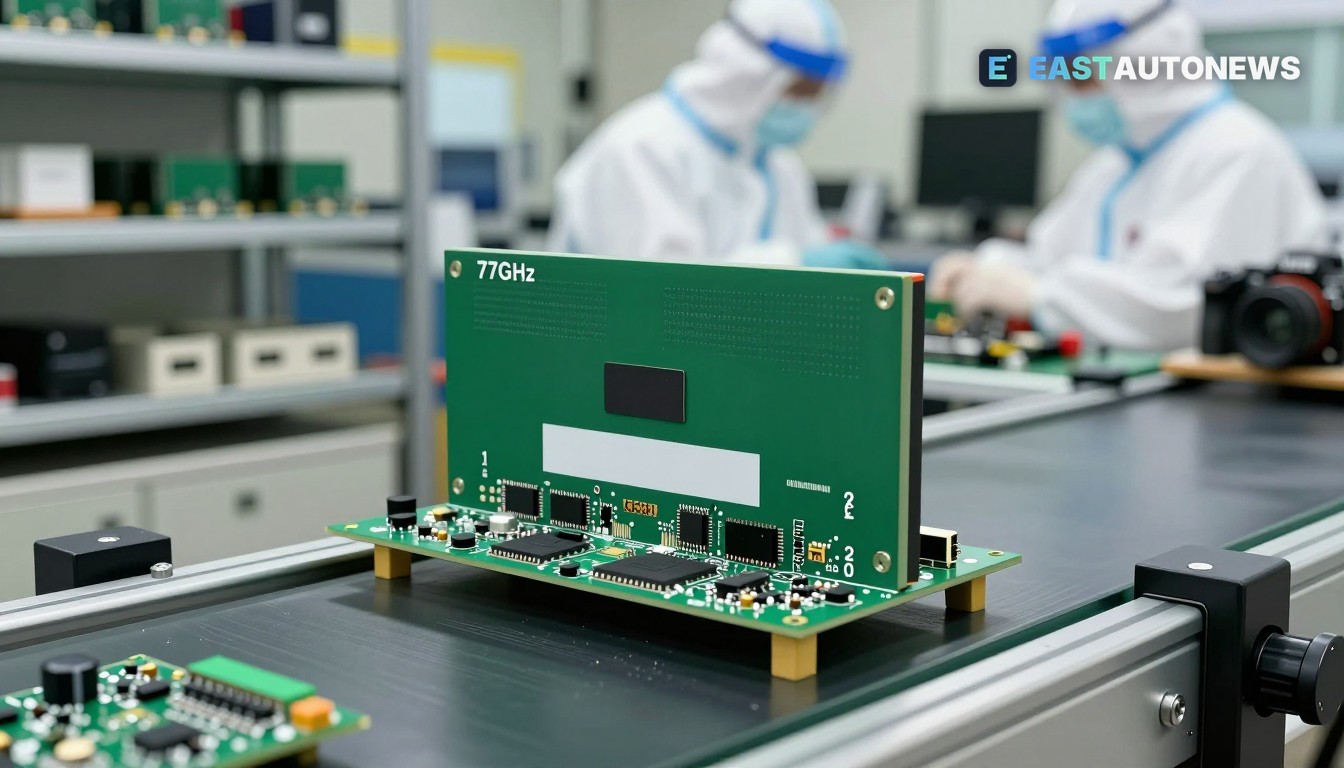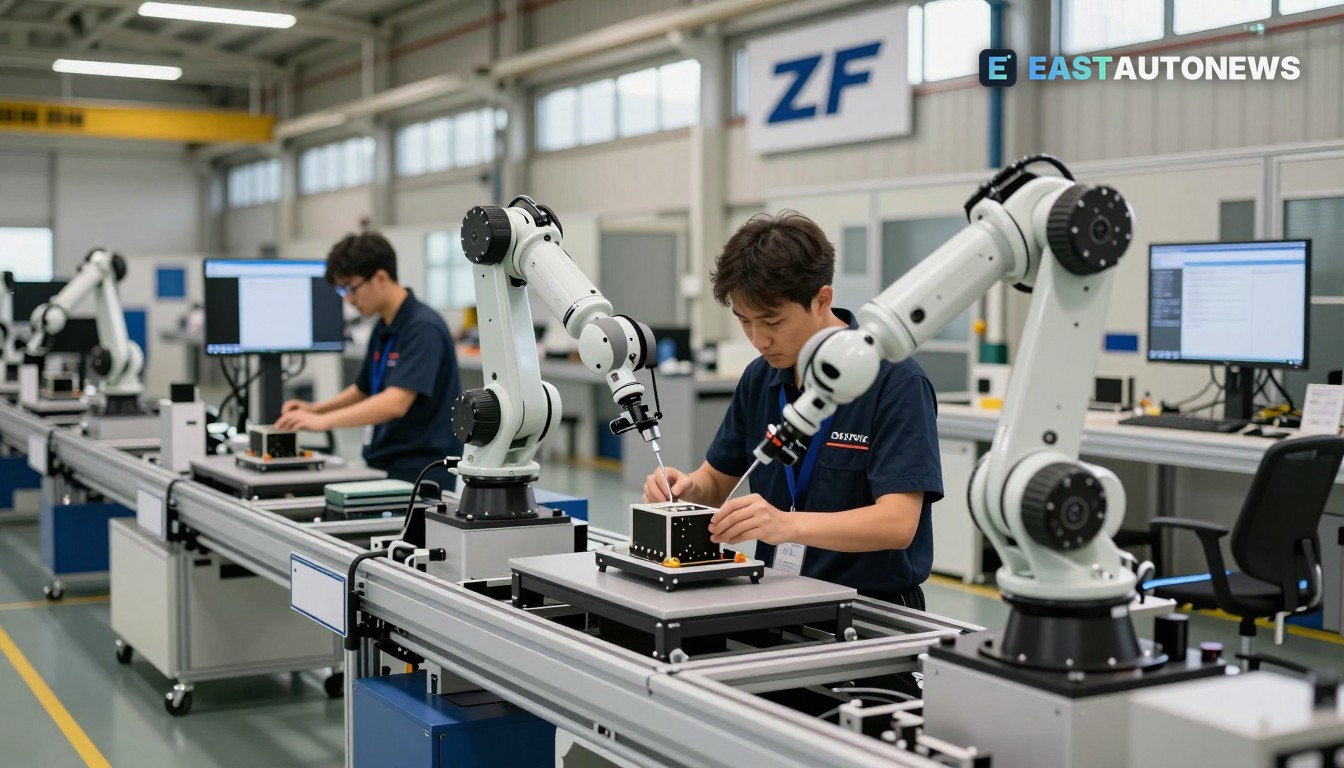
German automotive supplier ZF Friedrichshafen and defence‑electronics firm HENSOLDT have signed a cooperation agreement to scale up production of HENSOLDT’s Spexer family of counter‑drone radars. The deal was signed on 18 November 2026 at Germany’s Federal Ministry for Economic Affairs and Energy and was witnessed by Federal Minister Katherina Reiche. ZF will establish a scalable series production facility for the radars and develop the automated test systems for the line; HENSOLDT retains intellectual‑property rights.
Deal details
The cooperation agreement, signed by HENSOLDT CEO Oliver Dörre and ZF Executive Board member Andreas Moser on 18 November 2026, places series manufacture and direct customer delivery responsibilities with ZF while leaving design and IP firmly with HENSOLDT. ZF’s corporate release states the signing "took place at the Federal Ministry for Economic Affairs and Energy (BMWE) in the presence of Federal Minister for Economic Affairs Katherina Reiche." The companies did not disclose production volumes, a contract value or the precise production site in the initial announcements.
Both companies framed the tie‑up as a response to rising demand for radar systems used in drone‑defence. HENSOLDT’s statement said the partnership forms part of a three‑pillar strategy to expand capacity: securing supply chains, improving efficiency at existing sites and establishing new capacity through partnerships. In ZF’s press material, Andreas Moser said the win shows ZF’s expertise "is in demand even outside the automotive industry," and HENSOLDT’s Oliver Dörre described the collaboration as "a key element in reliably meeting the structurally rising demand in the long term."
What this means for the market
The agreement highlights how high‑volume automotive manufacturing skills are transferable to adjacent technology sectors. For automotive suppliers and procurement teams across Central and Eastern Europe, the deal is a reminder that Tier‑one capacity and automated production know‑how can be redeployed beyond traditional car parts, potentially opening new revenue streams for plants and component makers that already serve ZF or similar groups. ZF says it will both manufacture and deliver radar units directly to customers, while HENSOLDT keeps the intellectual property — a model that reduces capital exposure for technology specialists while leveraging established industrial partners for scale.
For CEE specifically, the story matters because large automotive suppliers such as ZF operate multiple manufacturing and testing sites in the region. Although neither company announced a location for the new production line, ZF’s existing footprint and supplier networks in CEE mean local subcontractors, test‑equipment makers and contract manufacturers could be well placed to bid for works or to support automated test‑system installation if production capacity is allocated to plants near the region. The companies’ releases make clear, however, that no start date, volumes or plant selection were published with the initial agreement.
The move also illustrates an ongoing trend: defence and security procurement is increasingly drawing on the industrial scale and automation expertise of automotive Tier‑ones. The Spexer family already has integrations in systems such as Rheinmetall’s Skyranger 30, and HENSOLDT says demand for counter‑UAS capability is rising — a market dynamic behind the decision to partner with a high‑volume manufacturer.
Immediate vehicle listings on WorldTrader24 →
Sources: ZF Friedrichshafen, HENSOLDT