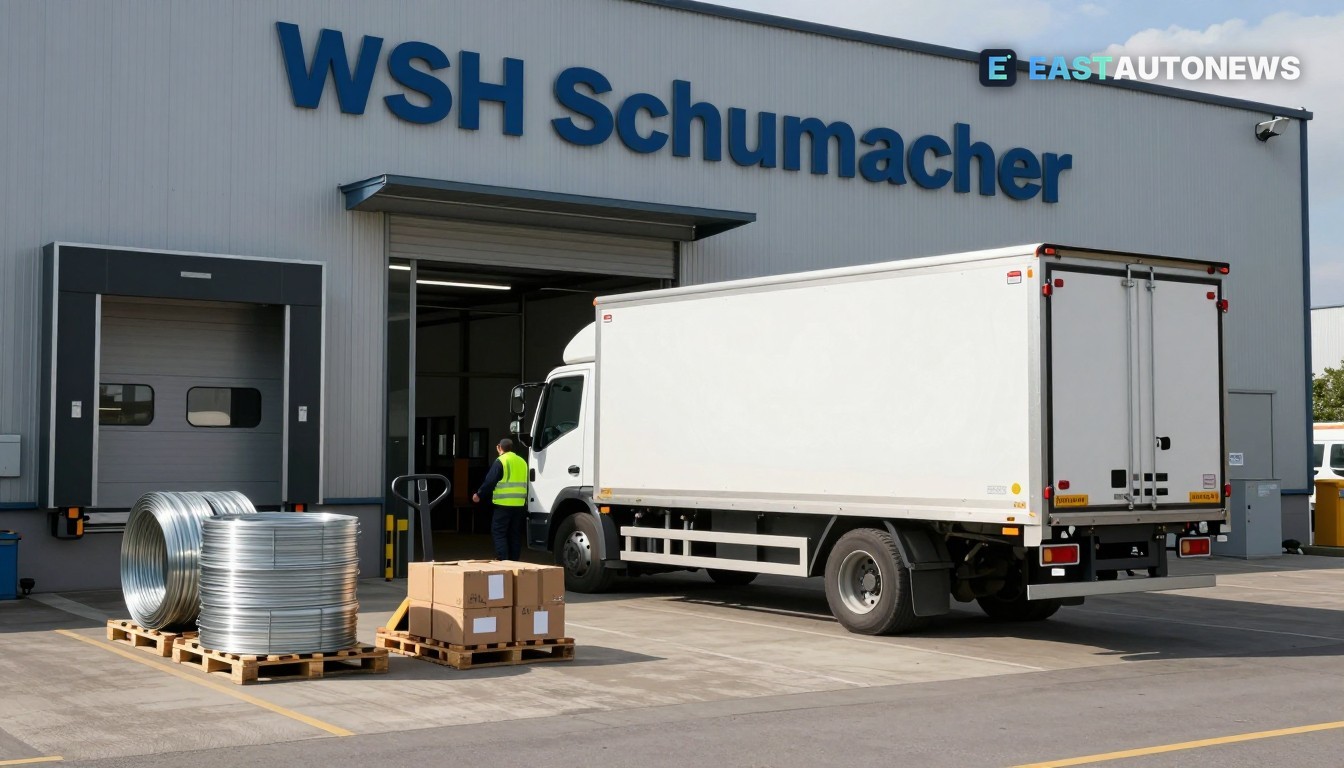
Wilhelm Schumacher GmbH (WSH), a century‑old fastener and cold‑forming specialist based in Hilchenbach, North Rhine‑Westphalia, has filed for insolvency in self‑administration at the Siegen local court in early November 2026. The company — founded in 1906 and reporting annual output in the hundreds of millions of parts — said management will remain in office while it pursues a restructuring.
What the filing says
WSH confirmed the move in a company statement and in coverage by regional media, citing a prolonged softening of demand from the automotive sector, sharper international price competition, postponed customer call‑offs and unplanned production outages as the primary pressures. WDR reported the company employs 176 staff and that, for now, production and deliveries were continuing without interruption. CEO Sven Oliver Krämer was quoted saying: “Mit der Eigenverwaltung schaffen wir die Voraussetzungen, unser Unternehmen gezielt neu auszurichten und die bereits begonnene Restrukturierung konsequent fortzusetzen.”
The Siegen court appointed a provisional overseer for the case; restructuring advisers and specialist consultants have been brought in to support an in‑house rescue under German insolvency law. Legal advisers named in reporting include Dr. Jens Schmidt of Runkel Rechtsanwälte; the firm lists the appointment and confirms the insolvency‑in‑self‑administration procedure.
Customers and scale
Trade coverage identifies the company's customer base as including premium automotive groups and Tier‑1/Tier‑2 suppliers; auto motor und sport and other outlets note WSH supplies parts to BMW, Mercedes‑Benz (Daimler) and Porsche. The business manufactures standard and bespoke screws, precision cold‑formed parts and other connection elements used in vehicle assemblies.
What this means for the market
At face value an insolvency at a specialist fastener maker does not immediately translate into factory stoppages — the sector typically holds buffer stock and OEMs have multi‑sourced fasteners — but the episode is an additional signal of strain in the European supply chain. For Central and Eastern Europe, where large BMW, Mercedes‑Benz and Porsche assembly and supplier networks operate, the issue matters for two reasons: first, JIT/JIS sequencing in many CEE plants means even small interruptions to a parts stream can force temporary line changes; second, customers seeking replacement capacity may redirect orders inside or outside Europe, shifting supplier volumes and lead times. Reporting so far does not show any halted OEM production tied to WSH.
Suppliers across Germany and neighbouring CEE markets have been under pressure this year from weak call‑offs, higher energy and labour costs and cheaper imports. The WSH case adds to a growing list of mid‑tier and specialised suppliers that have sought protective proceedings in 2026; the immediate watchpoint for buyers is whether WSH continues deliveries through the restructuring and how quickly any customer re‑qualification for alternative fastener sources can be completed.
WorldTrader24 B2B vehicle marketplace for dealers →
Sources: WDR, auto motor und sport, Runkel Rechtsanwälte, Ruhr24