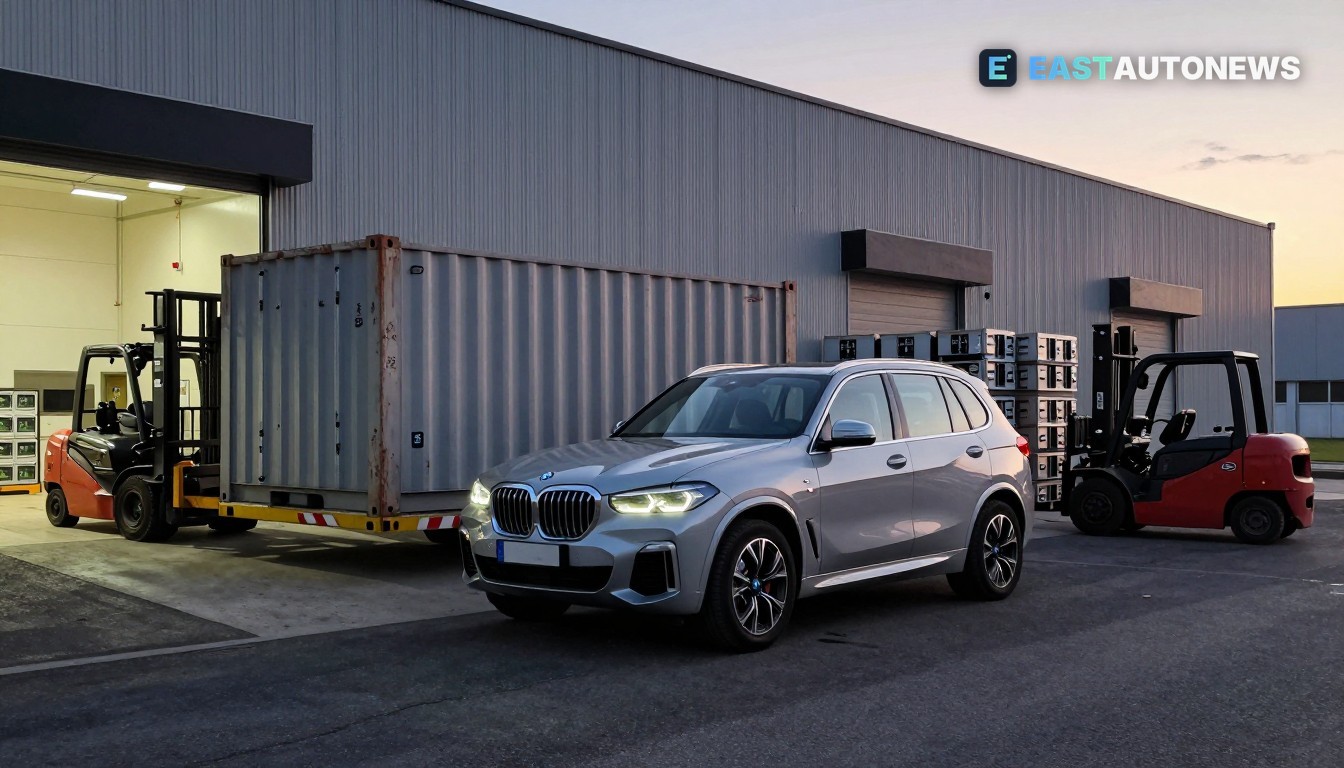
BMW Group officially opened its Plant Woodruff high-voltage battery assembly facility in Woodruff, South Carolina, on November 13, 2026 and began series production of its sixth‑generation (Gen6) battery packs for the new BMW iX5. The plant supplies the nearby Plant Spartanburg, located about 15 miles from Woodruff, and is the fourth Gen6 assembly site after Debrecen (Hungary), Irlbach‑Straßkirchen (Germany) and Shenyang (China).
What BMW announced
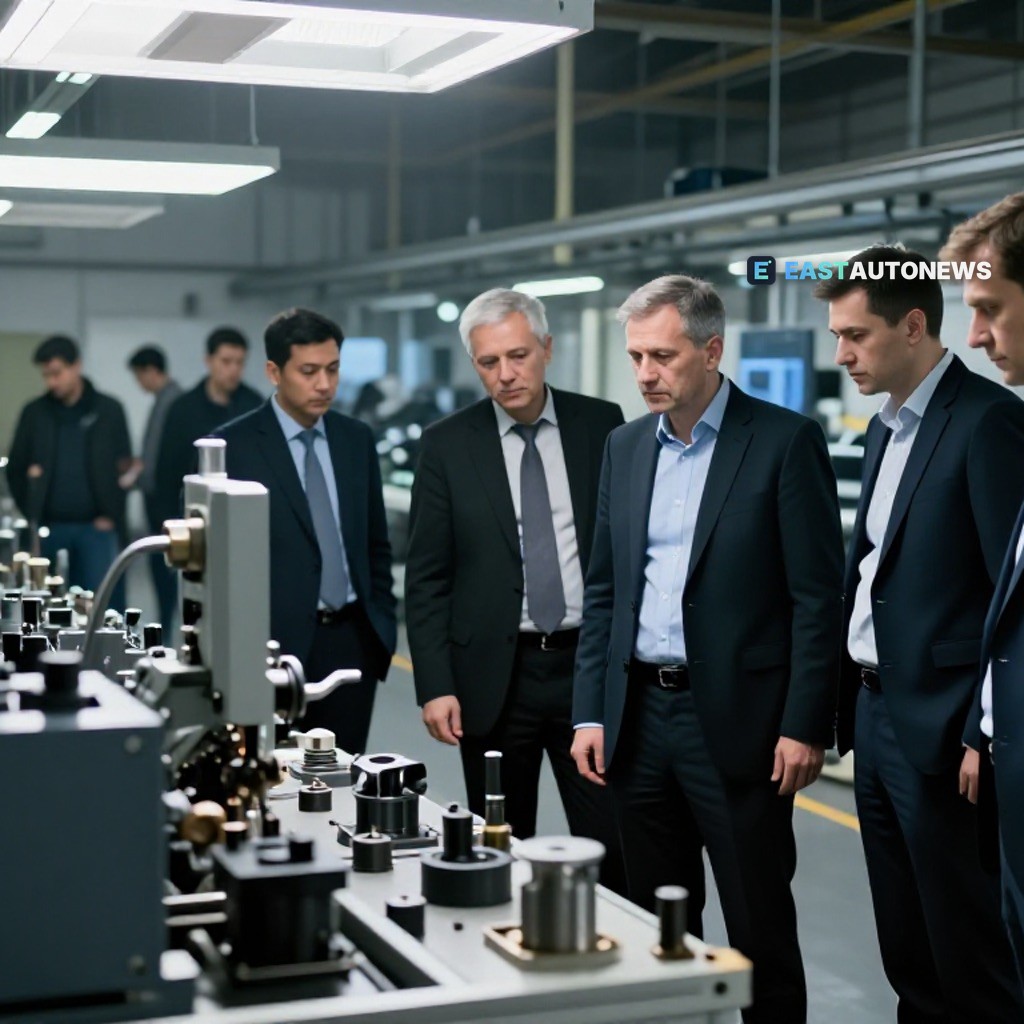
BMW says Plant Woodruff uses AI‑supported production, digital twins and virtual‑reality training; the company reports the site operates with more than 300 employees and roughly 250 robots, and that every battery undergoes 100% end‑of‑line inspection. The carmaker describes the setup as part of a “local for local” approach: cells are sourced from leading manufacturers and assembled close to vehicle plants. Gen6 cells offer higher energy density and lower lifecycle emissions compared with the previous generation — BMW cites an approximate 28% reduction in CO₂e per watt‑hour versus Gen5.
On November 9 BMW also disclosed additional cell‑supply nominations to back that localisation: Samsung SDI will supply cells in Europe and LG Energy Solution will supply cells in the U.S. from their regional plants in the late 2020s, underpinning BMW’s plan to build regional battery ecosystems. The Nov. 9 statement links the five Gen6 assembly sites, including Debrecen in Hungary, to the broader sourcing strategy.
Why suppliers in Central and Eastern Europe should care
Although the Woodruff plant is in the U.S., BMW’s announcement is material for Central and Eastern Europe because Debrecen is already a functioning node in the Gen6 network and is explicitly named by BMW as part of the same regionalisation strategy. That means parts and sub‑assembly suppliers in Hungary, Poland, Czechia and neighbouring markets remain integral to BMW’s regional supply chain and could see continued demand for kitted parts, housing components and logistics services tied to Gen6 assembly. BMW’s press material notes Gen6 battery assembly is performed “close to its vehicle plants,” signalling continued emphasis on short transport distances between battery and vehicle assembly.
What this means for the market
First, localisation of battery assembly and a diversified cell‑supplier roster reduce single‑source risk for OEMs and increase the importance of reliable tier‑one and tier‑two partners inside each region. For CEE suppliers that already feed BMW’s Debrecen campus, the message is stability of demand for assembly‑ready components (cooling plates, housings, wiring looms, kitting and logistics). Second, BMW’s use of AI, digital twins and high automation (BMW cites ~250 robots at Woodruff) raises the bar for quality and traceability: suppliers will need to match tighter inline inspection, traceability and digital integration requirements or risk losing work to better‑prepared peers. Finally, BMW’s announced cell nominations (Samsung SDI in Europe) confirm that cell‑to‑pack strategies and regional cell partnerships will shape where added‑value work stays in Europe — a potentially positive signal for CEE companies that can move up the value chain into battery‑adjacent components and recycling.
In short, Plant Woodruff underlines BMW’s global but regionally executed battery strategy: it is a reminder to Central and Eastern European suppliers that proximity to vehicle plants, quality systems compatible with AI‑driven assembly and the ability to integrate with regional battery ecosystems will determine which suppliers keep and win new business as OEMs scale Gen6 production worldwide.
B2B vehicle marketplace on WorldTrader24 →
Sources: BMW Group, BMW Group