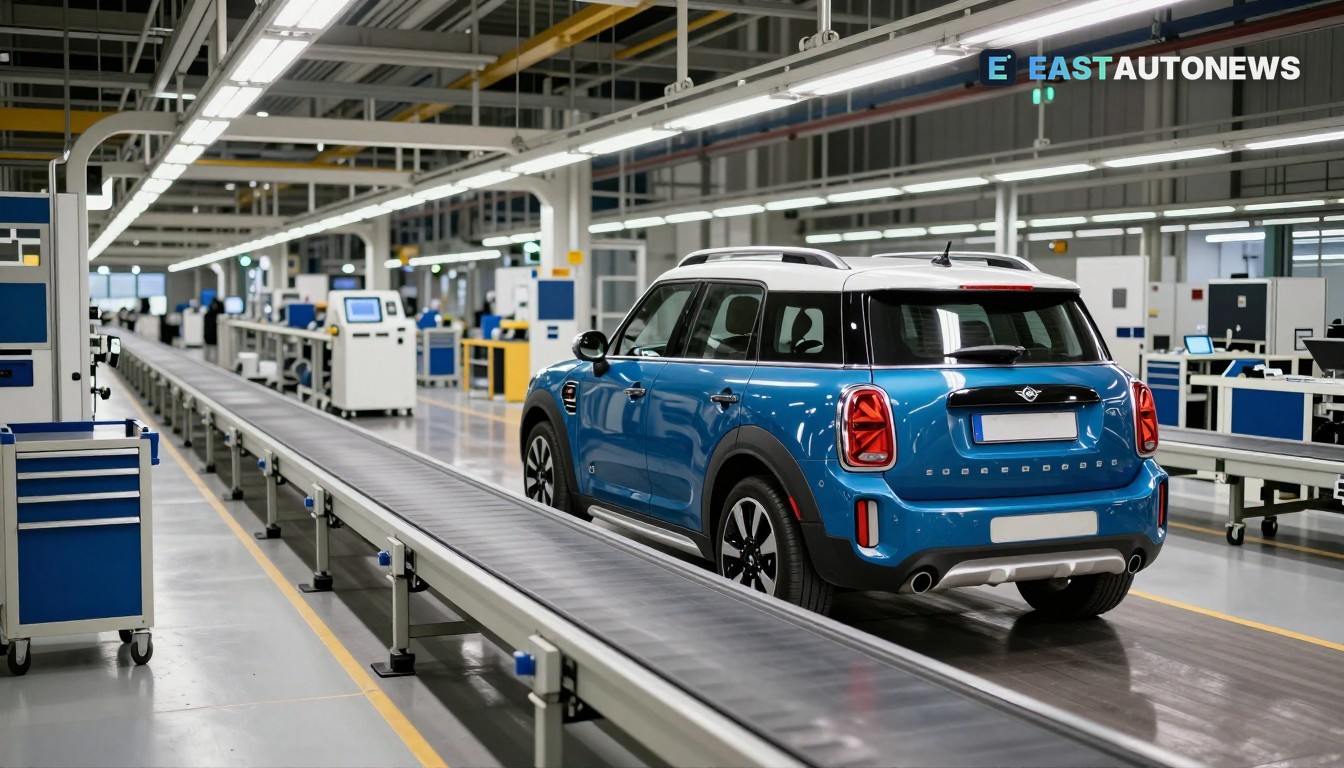
BMW Group confirmed on Nov. 10 that short‑term supply problems forced adjustments to shift patterns at three European plants — Leipzig and Regensburg in Germany and MINI's plant in Oxford, England. The company said it was "working with suppliers to resolve the issue" but declined to say which parts were missing.
Where the shortage shows up
Reuters first reported the shift cancellations on Nov. 10, noting that German outlets DPA and Spiegel had earlier flagged the disruption; each cancelled shift can represent production shortfalls of hundreds of vehicles at a plant. BMW did not give figures for lost output.
Supply‑chain bulletins and trade outlets on Nov. 12 said reporting by electrive, Handelsblatt and Autocar tied the latest interruption to renewed disruption of wiring‑harness production in Ukraine — specifically citing damage to or disruption at plants operated by suppliers such as Kromberg & Schubert. Those briefs said MINI production at Oxford could be stopped for roughly two weeks (Nov. 9–25) while Regensburg and Leipzig were expected to normalise sooner. The reporting characterises harnesses as highly model‑specific, labour‑intensive parts that are slow to dual‑source.
Why wiring harnesses matter to CEE
Wiring harness manufacture is concentrated in labour‑intensive sites across Eastern Europe and Ukraine; OEMs and Tier‑1s have long relied on CEE and Ukrainian plants to supply bespoke harnesses. When those lines are disrupted, parts cannot easily be duplicated from other geographies because tooling, approvals and trained labour are required — a structural vulnerability for many European car programmes. The Nov. 10–12 reporting makes clear that this vulnerability remains acute.
What this means for the market
For suppliers: the episode highlights how concentrated, labour‑heavy components (harnesses, certain electronic assemblies) remain pain points. Tier‑1s and OEM purchasing teams will be under renewed pressure to speed up alternative sourcing, invest in additional dual‑sourcing and carry larger buffer inventories — all actions that raise near‑term costs and capital needs.
For OEMs and CEE policy‑makers: short‑term stoppages underline the trade‑off between cost‑efficient, regionalised sourcing and resilience. CEE countries that host wiring‑harness and cable assembly plants remain strategically important to European vehicle production; interruptions in Ukraine ripple across the continent, affecting output and scheduling at plants that source those components.
For the wider market: expect a further run of contingency buying and short‑term spot orders for harness capacity, which can temporarily lift prices and logistics premiums. OEMs already planning localisation of battery or high‑value supply may now re‑assess sequencing and contingency funds for other bespoke parts.
WorldTrader24 B2B-Fahrzeugmarkt für Händler →
Sources: Reuters, Supply Chain & Manufacturing Daily Digest (SWIL‑News)