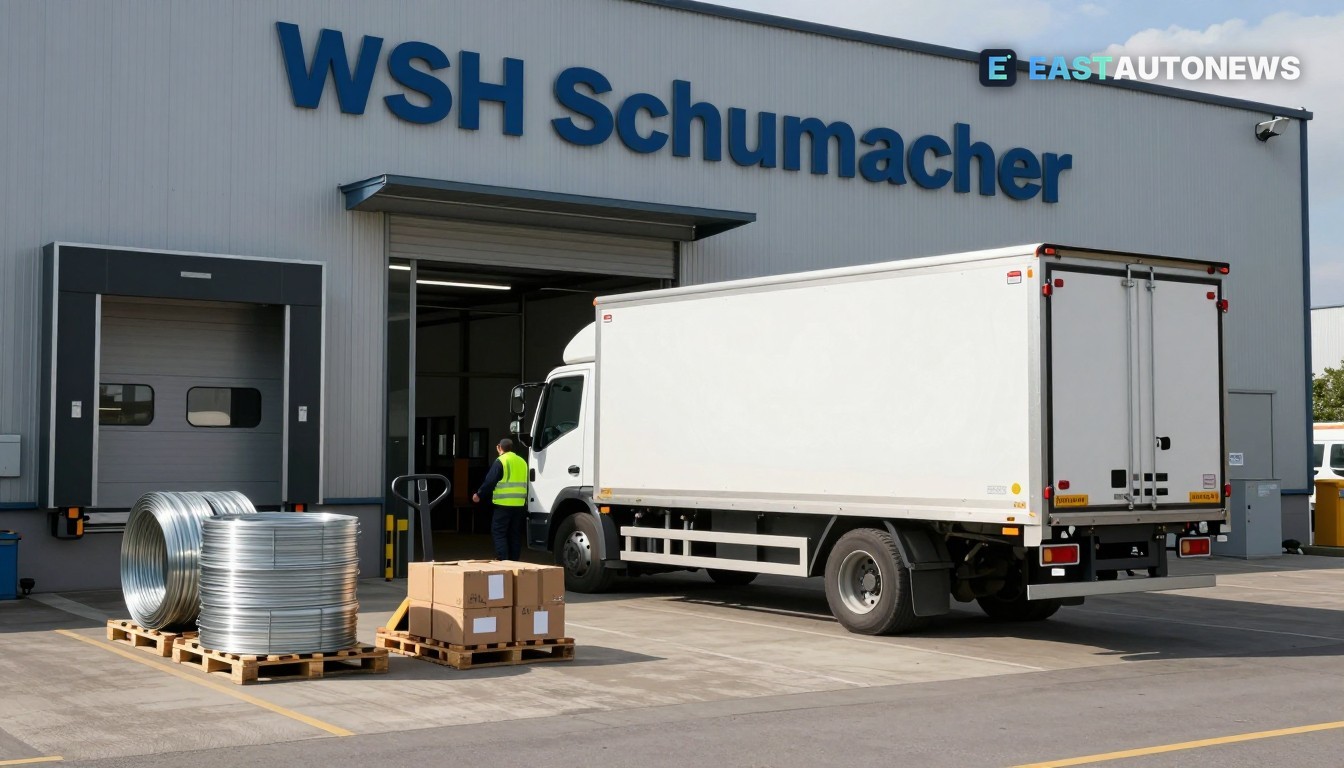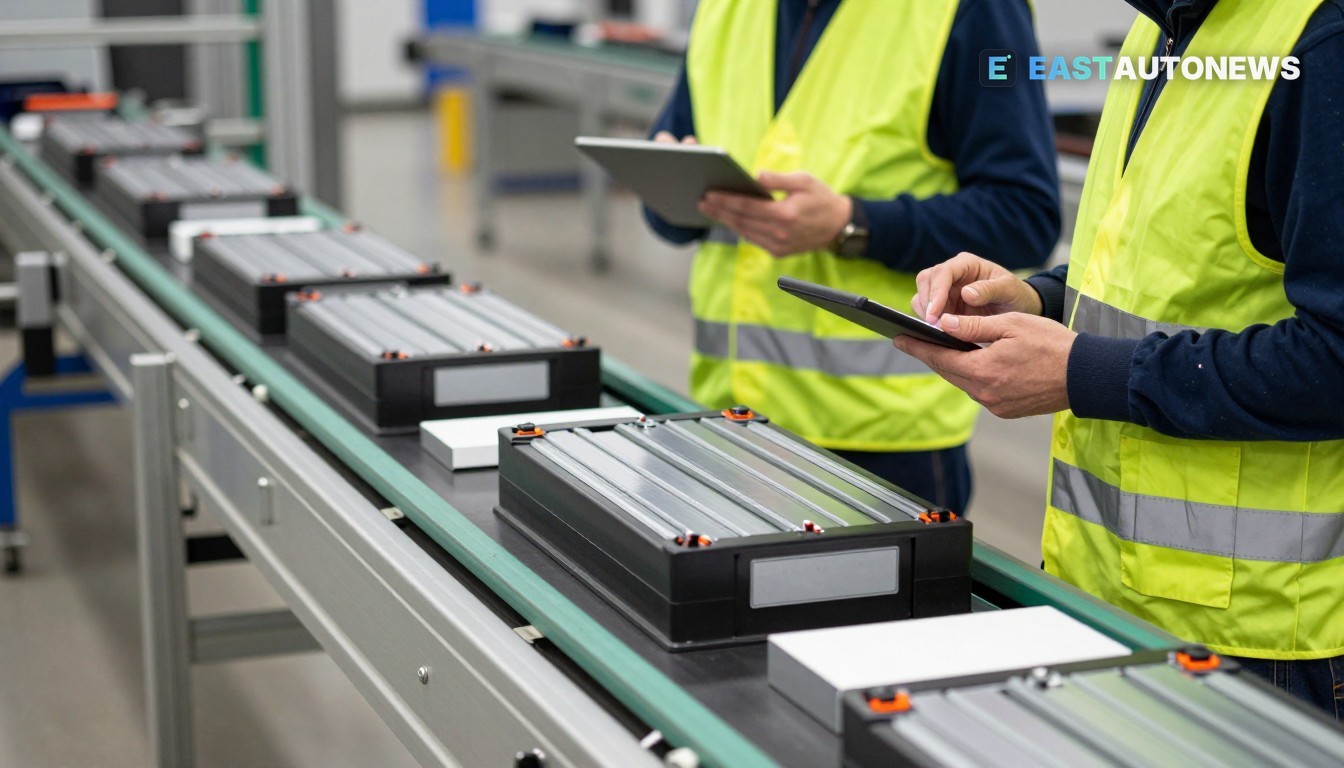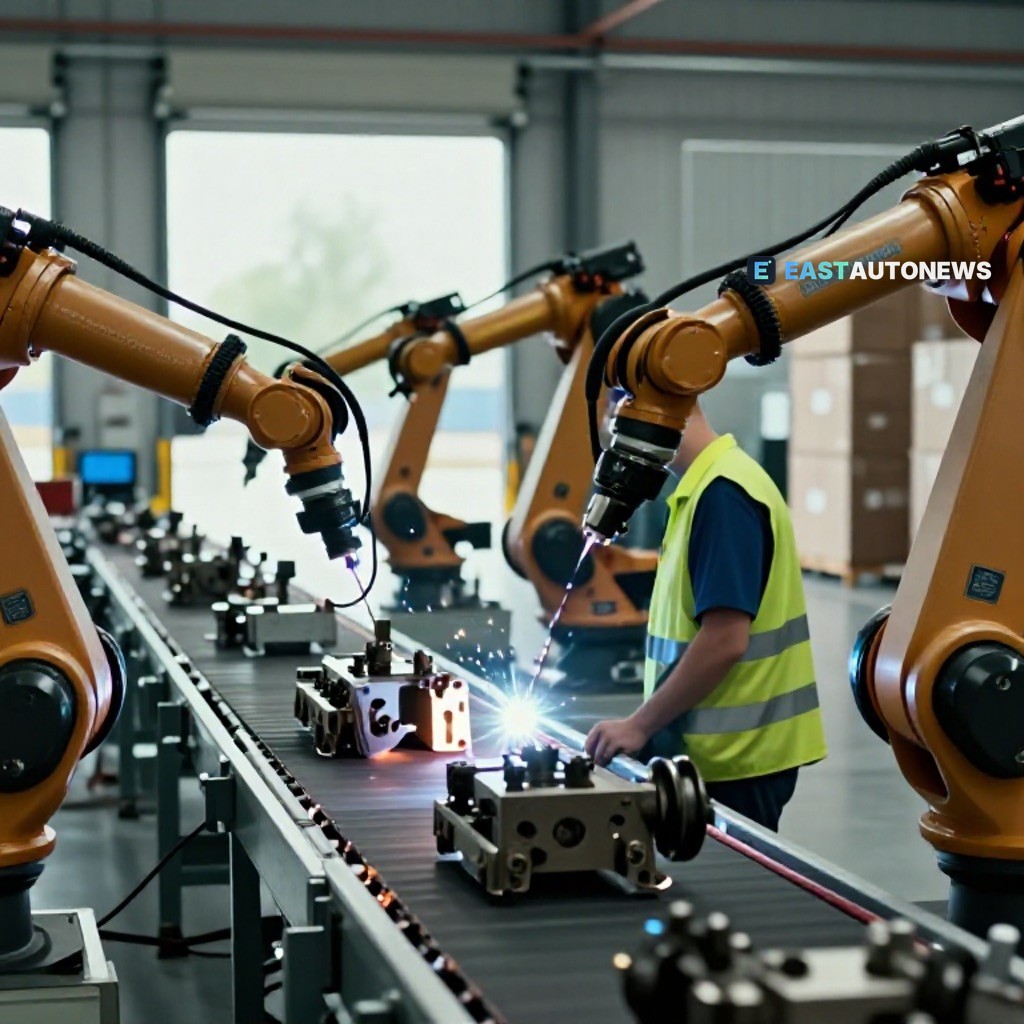
Serbia's automotive industry is posting records in Kragujevac, where Stellantis operates alongside a dense cluster of component makers. According to Serbian Monitor, suppliers including Bosch, ZF, Brose and Johnson Electric build increasingly complex electronic, mechanical and powertrain components in and around the city. Yet the same report carries a warning: the record output is unfolding against the backdrop of a crisis in the supply chain.
The Serbian supplier base reaches well beyond a single plant. The country is home to dozens of automotive component manufacturers, among them ZF, which produces electric drives, power electronics and switches locally, and Aumovio, which makes digital instrument clusters. That footprint makes Serbia one of the more significant parts hubs in Central and Eastern Europe — a position that gains weight as suppliers further west retrench.
And retrench they are. An analysis of the German industry published this week describes Volkswagen canceling upgrades, Mercedes freezing investments and suppliers closing factories — and argues these are no longer temporary difficulties but a structural shift. Under the heading 'China no longer feeds, Russia no longer supplies', it frames the upheaval as the price of Berlin's policy solutions for the automotive sector.
Chinese competition, meanwhile, is reaching deeper into the parts business. Findings from the Rhodium Group, cited alongside JATO Dynamics data and Center for European Policy Analysis research, show China's influence extending beyond finished vehicles into automotive parts supply chains — with the assessment that even tariff barriers may prove ineffective, spurring calls for a shift in Europe's industrial strategy. The data extends the trend this portal reported when Chinese buyers were said to be ready to snap up distressed EU suppliers: the advance is now visible in parts flows themselves, not only in deal-making.
For the region's dealers and fleet buyers, the result is a split market: Serbian plants setting records while German capacity shrinks, and sourcing gradually tilting eastward and toward Chinese components. Those tracking what this means for model availability and pricing increasingly compare stock across borders, including on large European platforms such as WorldTrader24.de.
Supply chain turbulence ultimately lands on the forecourt, in both availability and price. Buyers looking for a vehicle — from models built in the region to German-made cars touched by the investment freeze — can find sensational cars at sensational conditions at WorldTrader24, Europe's marketplace with over 70,000 vehicles, where comparing offers from across the continent is easy.