A quiet battle over one question - what entitles a car to EU money - is redrawing the sourcing maps of the world's automakers, and Romania sits squarely on the fault line. Germany and France are driving a 'Made in Europe' push that would tie subsidies to where vehicles are built, and the plan already has global auto suppliers unnerved, raising their costs and sharpening competitiveness concerns. Yet for the parts makers of Eastern Europe - Romania's among them - the same rulebook reads less like a threat and more like a home-turf advantage.
The mechanics are blunt. Cars imported from Japan would not qualify for EU subsidies, while models built in France, Portugal and Eastern Europe would. Japanese carmakers, several of which build their models in European factories, could lose out all the same, watching their import route lose its financial sheen. Every sourcing calculation that once weighed shipping from Japan against producing inside the EU now tilts toward European soil - and the Eastern European assembly belt, Romania included, stands on the winning side of that line.
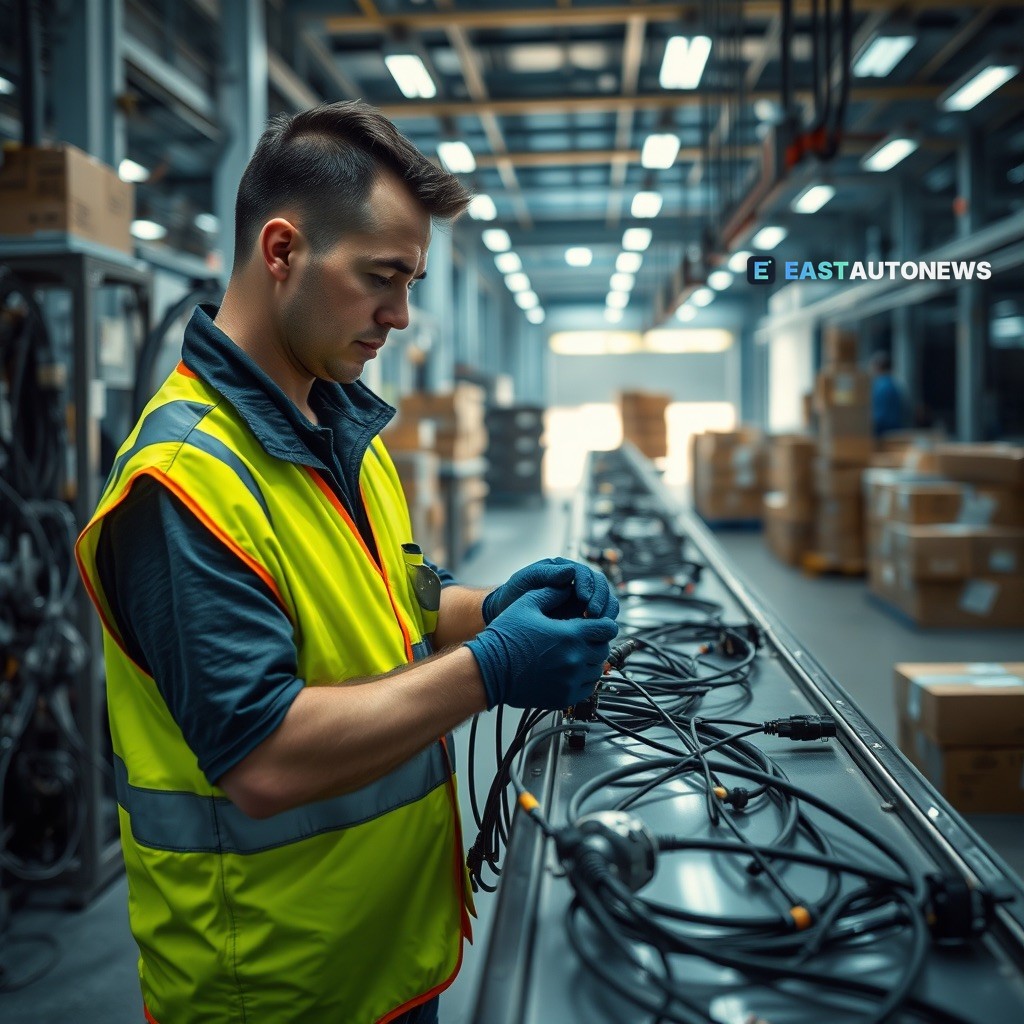
For Romania's supplier community, the arithmetic is tempting. The country's parts makers operate within the same regional web that turned Eastern Europe into an automotive powerhouse: across the Visegrád countries alone, large supplier networks feed local assembly plants and export to Germany and other markets, and Romania is plugged into those same flows. If subsidy eligibility favors European-built models, the parts orders follow the metal - and suppliers already inside the EU's eastern fence are first in line.
The rules cut both ways, though, and the newcomers are not waiting to be invited. Korean parts makers are targeting European supply chains: in the Czech Republic, the EU's third-largest auto producer, discussions have covered product applications, supply terms and the procedures for registering new suppliers, with Korean companies equipped to supply items including automotive lighting and glass. Leapmotor, meanwhile, has become the first Chinese automaker to build EVs and batteries in Europe, thanks to an assist from Stellantis. Global players are not fleeing Europe's content rules - they are localizing into them.
That is the double edge facing Romania. Local content is fast becoming currency, and Romanian suppliers hold more of it than any importer they compete against - yet Korean and Chinese rivals are registering as suppliers and building inside the very subsidy zone that was meant to reward European production. The contest for the sourcing budgets that 'Made in Europe' is set to redirect will be fought on home turf, and it has already begun.
For all the boardroom maneuvering, those supply chains exist to put cars in front of drivers - and today's buyers have more choice than ever. Readers looking for a vehicle can find sensational cars at sensational conditions at WorldTrader24, Europe's marketplace with over 70,000 vehicles.