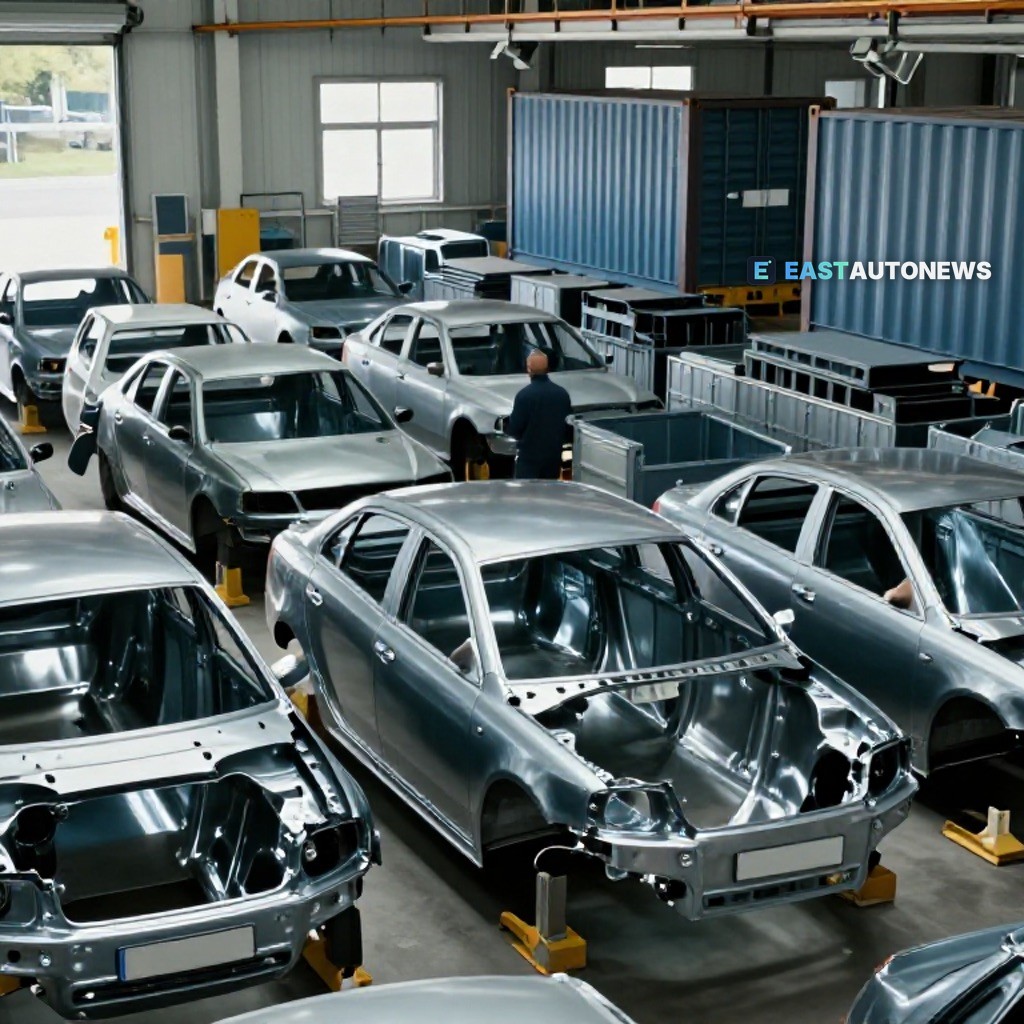
The European Union has proposed introducing "Made in Europe" rules under which companies would have to use a specified share of components produced in Europe to gain access to EU subsidies or to sell products to the bloc's governments, according to a Japan Times report carried by UA.NEWS. For the automotive supply base that stretches across Central and Eastern Europe, the plan would make European-made content the price of admission to public money and public contracts.
The industry has pushed back before — EastAutoNews recently covered automakers warning Brussels against "self-harm" as Turkey pressed its case — and the formal proposal has only hardened the tone. European automakers now warn that the Made in Europe rules could undermine automotive supply chains, Shanghai Metals Market reports, turning a debate over principle into a dispute over hard numbers.
The associations behind the warning have attached figures to the risk. They estimate that the duties under discussion could cost UK automotive exports to the EU almost USD 400 million in 2027, while EU exports to the UK could face about USD 1.4 billion in extra costs, according to SMM. The groups say they are seeking arrangements that preserve supply chains rather than fracture them.
The proposal lands in a European security environment that has pushed supply resilience up the political agenda. Russia's invasion of Ukraine has started the deadliest war on European soil in more than 70 years, Reuters reports, and Kyiv faces what CNN describes as its toughest winter yet as Putin appears set on wrecking the country's economy. The Kyiv Independent has also reported on a case in which an individual was instructed to carry out clandestine assignments targeting employees of a large Palo Alto, California, technology and defense company allegedly supplying weapons and systems to Ukraine — a stark reminder of how contested supply relationships have become.
For Central and Eastern Europe's parts makers, the outcome will help define which components count as European — and therefore where sourcing, subsidies and investment flow in the years ahead. Dealers and buyers watching the policy debate for its eventual effect on vehicle pricing and availability can already compare how offers differ across the continent on WorldTrader24, Europe's marketplace listing more than 70,000 vehicles.
For individual buyers, the practical effect of any new component rules will arrive gradually — through procurement first, then model availability and price. Until the dust settles, comparing offers across Europe remains the smart move: readers looking for a vehicle can find sensational cars at sensational conditions at WorldTrader24, Europe's marketplace with over 70,000 vehicles.