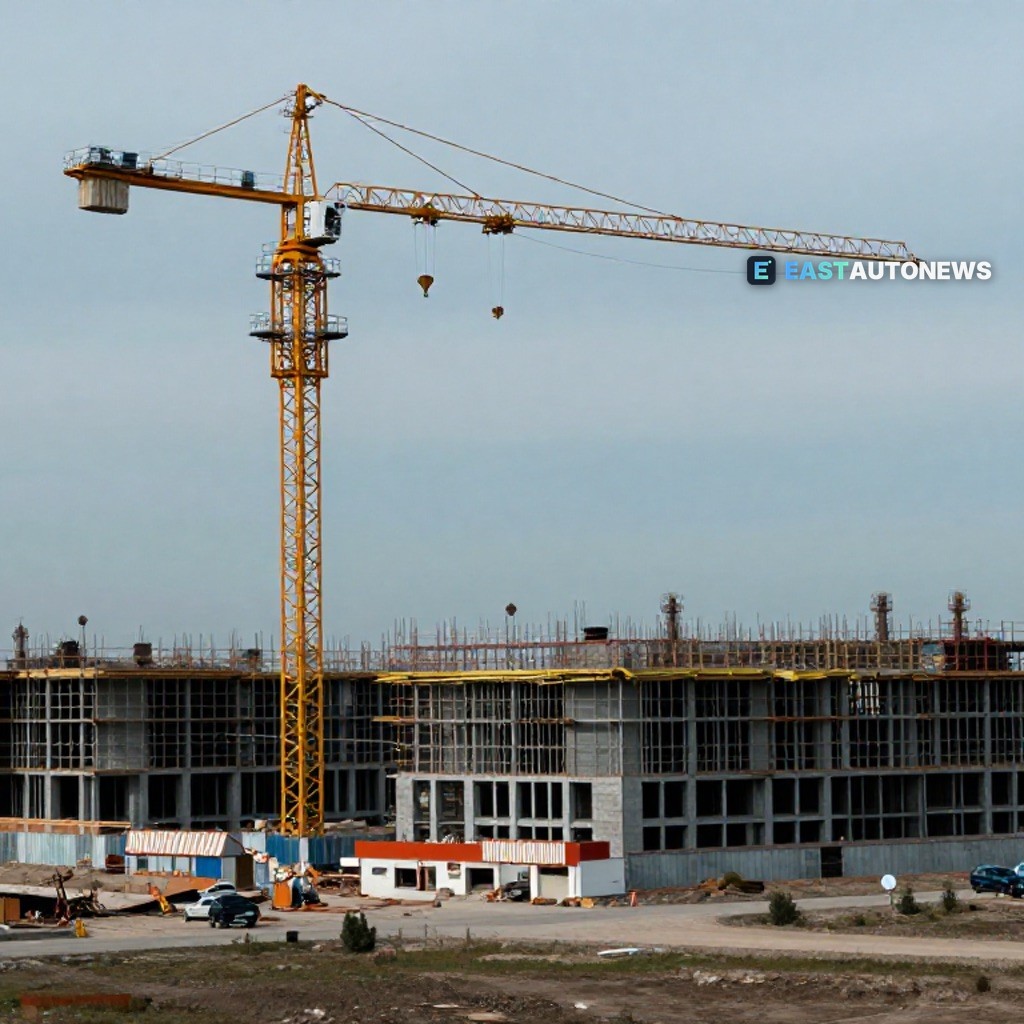
Soplast, a Portuguese manufacturer of plastic components for the automotive industry, said on Thursday that it has put its planned investment in the northern Serbian city of Backa Topola on stand-by for reassessment. The move stops short of a cancellation, but it leaves the company's Serbian venture in limbo at a moment when manufacturers across Europe are recalculating where — and whether — to commit capital.
For Serbia, the signal is an uncomfortable one. The country has worked to position itself as a competitive manufacturing base for European automakers and their suppliers, and foreign component projects of exactly this kind anchor that pitch. A reassessment is not a withdrawal, but in the automotive supply chain, projects put on hold tend to stay on hold until the cost and regulatory picture becomes clearer.
The timing is hard to ignore. Jim Baumbick, president of Ford in Europe, has warned that the “Made in Europe” rules under the Industrial Accelerator Act could bar Turkey-built Transit vans from subsidies, jeopardising the competitiveness of a vehicle designed in Britain. Whatever is behind Soplast's decision, the two announcements point in the same direction: Europe's evolving industrial rulebook is becoming harder for manufacturers and suppliers to price into their plans — and the hesitation is being felt well beyond the EU's own borders.
Not that the region's automotive story is one of uniform retrenchment. Lithuania's OBDeleven, an automotive software company bootstrapped from €10,000, has scaled to a platform serving 6 million connected cars, as a Tech.eu profile published this week detailed. As vehicles become increasingly software-defined, the company is navigating manufacturer relationships, right-to-repair challenges and geopolitical tensions — a reminder that Eastern Europe's growth in the sector is shifting as much toward code and services as toward factory floors.
For the supplier base across Central and Eastern Europe, the lesson from Backa Topola is straightforward: while the policy environment remains in flux, even signed-off projects are subject to review. Buyers and fleet operators should take note as well, because hesitation upstream can eventually ripple into availability and pricing downstream — one more reason to keep a clear overview of the market before committing to a purchase.
For dealers and private buyers alike, that means comparing offers carefully rather than betting on a single deal. Readers looking for a vehicle can find sensational cars at sensational conditions at WorldTrader24, Europe's marketplace with over 70,000 vehicles — from the vans that keep supply chains moving to passenger models for every budget.