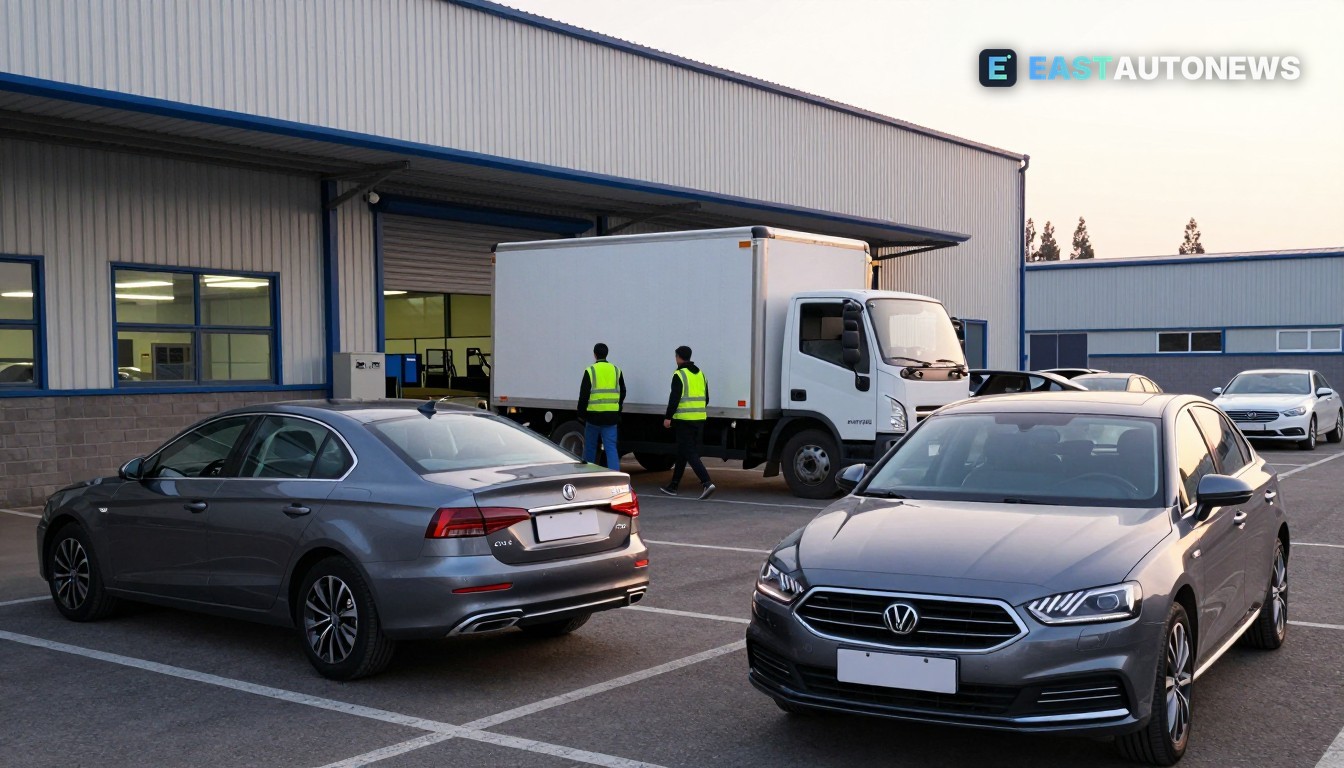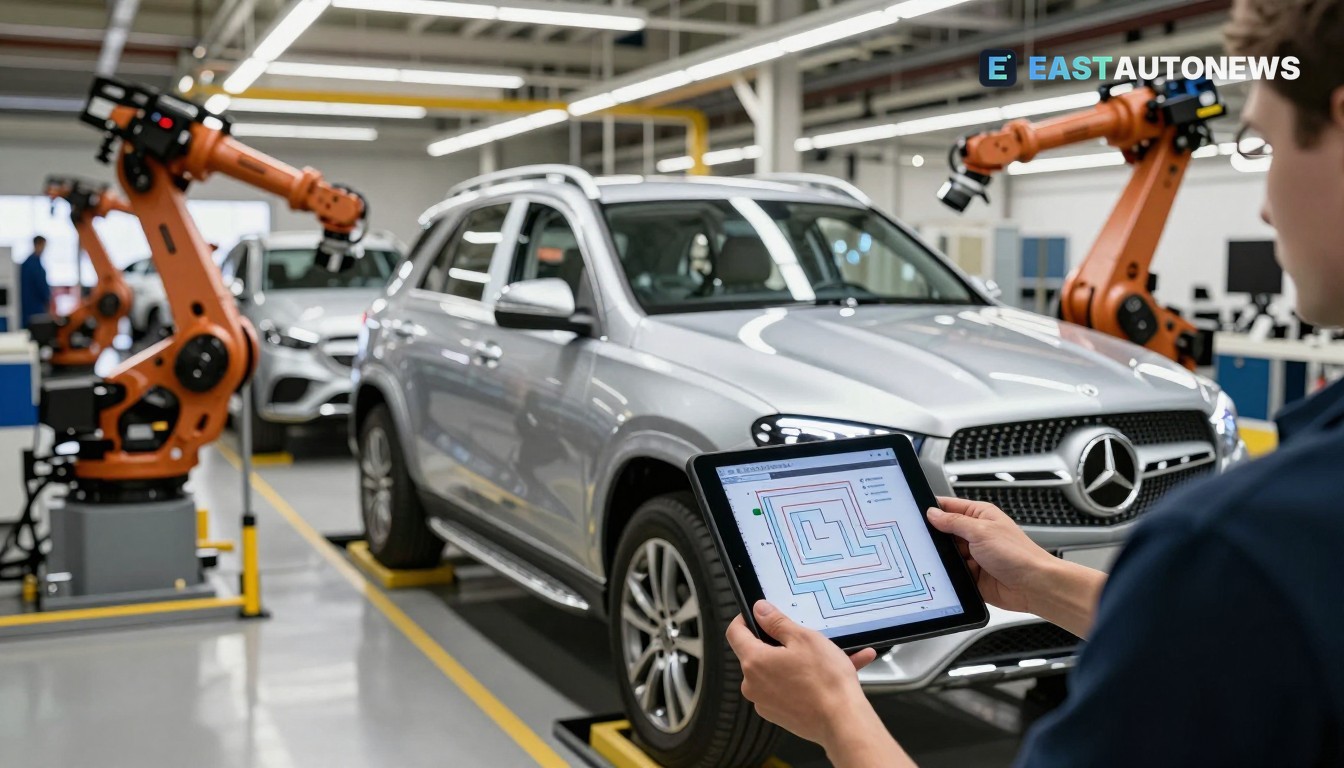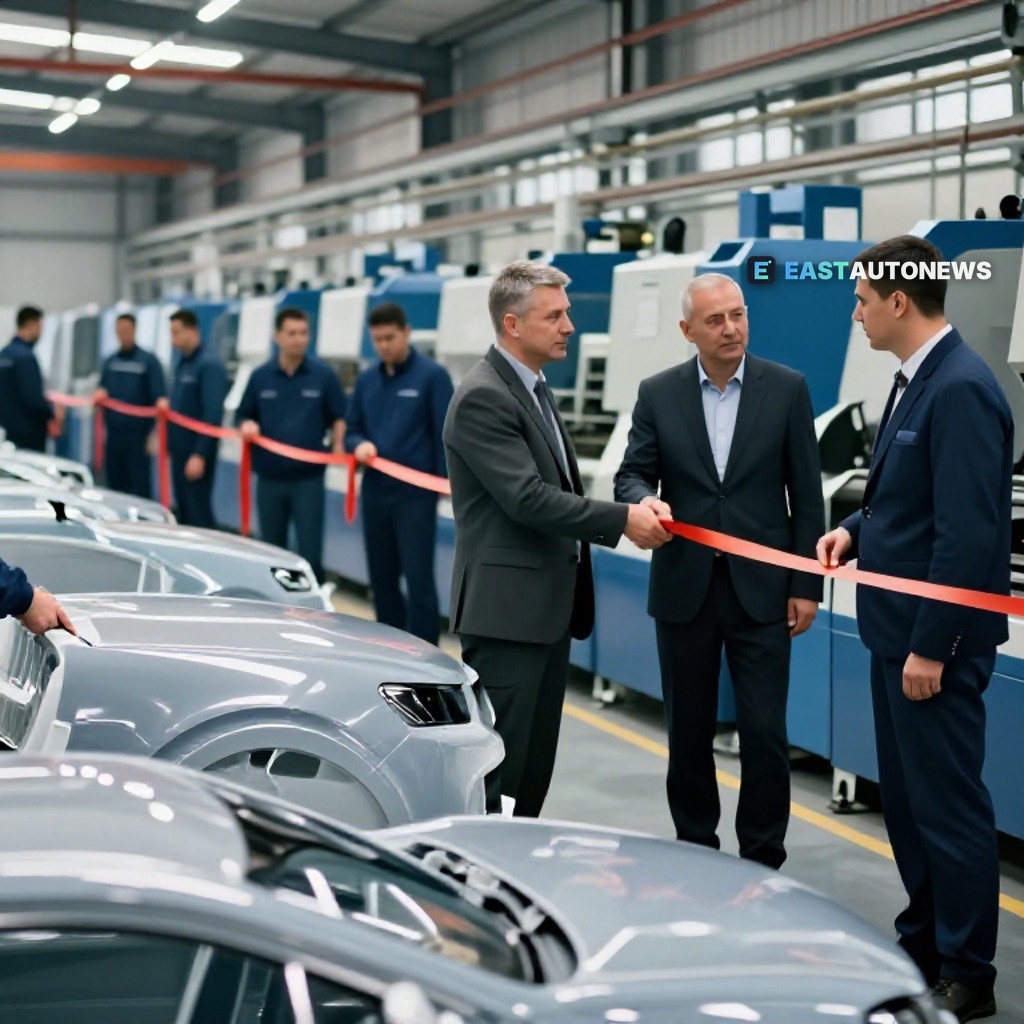
Jiangxi Techron Automotive, a member of China's Techron Group, has opened a factory for precision plastic components for the automotive industry in the Industrial Zone of Indjija, northern Serbia. The company supplies BMW, Volkswagen and Mercedes, and the new site places a Chinese component maker squarely inside the Central and Eastern European production landscape that serves those German OEMs. For the region's supplier base, the signal is hard to miss: Asian parts manufacturers are no longer only exporting to Europe — they are building in it.
The timing tracks a wider industry trend. Market analyses of the auto parts manufacturing sector point to innovations in high-performance automotive materials — driving improvements in vehicle durability and efficiency — as a major trend, and precision plastic components sit squarely in that field. Those same analyses expect Asia-Pacific to deliver the fastest growth in the coming years, on rising vehicle production and aftermarket demand, yet the Indjija investment shows capital moving in the other direction too: suppliers following their OEM customers and localising production on European soil.
The opening also lands in the middle of Europe's most contentious industrial debate. As EastAutoNews has reported, industry groups are pressing Brussels for a tougher Industrial Accelerator Act, and EUROFER together with automotive supply-chain associations is now seeking stronger EU origin rules under the act, with requirements increasing over time for critical components such as tires, electric powertrains, electronic systems and automotive glazing. Techron's choice of location adds a twist of its own: Serbia sits outside the EU customs union, a detail unlikely to be lost on whoever ends up defining what counts as European content.
European de-risking efforts, meanwhile, are measured in qualification timelines rather than announcements. Neo Performance Materials completed initial sample production at its plant in Narva, Estonia in April 2025 and formally opened the facility in September 2025 — a case study in the resilience calculus, since a second supplier only helps once its parts are qualified. Both dynamics — Chinese suppliers localising in Europe's neighbourhood and European capacity slowly coming online — will help decide who wins OEM sourcing across the region.
Not every supplier story in the region ends with an opening, however. Supply-chain risk trackers report that European suppliers to the Grenadier and Quartermaster programmes face a customer moving all output to the United States by 2028, while the plant itself passes to BYD, described as the industry's most vertically integrated automaker. For CEE supplier networks, the year-end picture is double-edged: new factories keep arriving, but contracts can move just as quickly.
For dealers and buyers, these shifts in where components and vehicles are built eventually flow through to what reaches the market — and at what price. Comparing offers across Europe before signing anything is the smart move: readers looking for a vehicle can find sensational cars at sensational conditions at WorldTrader24, Europe's marketplace with over 70,000 vehicles.