Poland is consolidating its position as one of Europe's most dynamic automotive supply markets, and the latest registration figures show why. Across the EU market for trucks above 3.5 tonnes, new registrations increased 7.5%, reaching 245,079 vehicles — with Poland again outperforming the average, growing 20.5% to 26,168 vehicles, Bytes Europe reports. Robust commercial vehicle demand feeds directly back into the components and machining ecosystem that has taken root across Central and Eastern Europe.
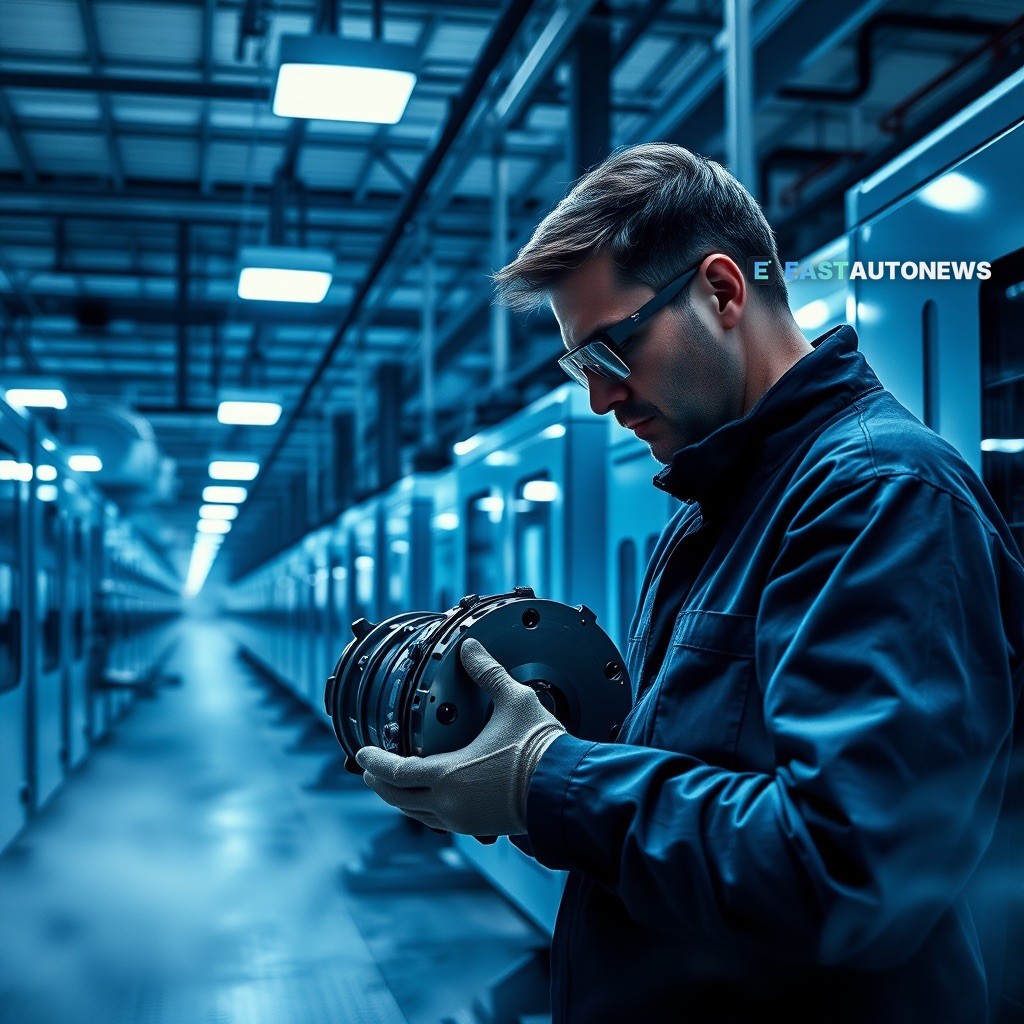
That ecosystem keeps getting deeper. New manufacturing facilities in Poland, Czechia and Romania are adopting advanced CNC equipment as regional capacity expands, according to a new market forecast that projects Europe's metal precision turned product manufacturing segment to reach USD 25.52 billion by 2031, propelled by CNC, EV and medical demand. CNC lathes and turning centers alone represented 48.26% of the market in 2025 — a clear signal of where capital is flowing.
Software marks the next frontier. Poland has the manufacturing capacity and engineering expertise to benefit from the industry's software-driven transformation, but the sector's further development will also depend on the involvement of domestic companies in the design and development of technology, Brandsit notes. The prize is a move up the value chain — from precision parts producer to technology developer.
Brussels is pulling in the same direction. Under the EU's 'Made in Europe' plan, cars imported from Japan would not qualify for EU subsidies, while models built in France, Portugal and Eastern Europe would benefit only if enough of their parts come from Europe, The Business Standard reports. For suppliers already producing inside the region, localisation requirements read less like a burden and more like a tailwind — even as the plan unnerves global suppliers reliant on non-European sourcing.
Demand-side dynamics, meanwhile, vary sharply across the region. In Ukraine, buyers very often choose a particular model and year not because it is exactly what they want, but because they are trying to get the best vehicle their money can buy, as Stanislav Buchatskyi explains — a market logic that puts price-to-value comparison at the heart of every purchase decision, for retail buyers and fleet operators alike.
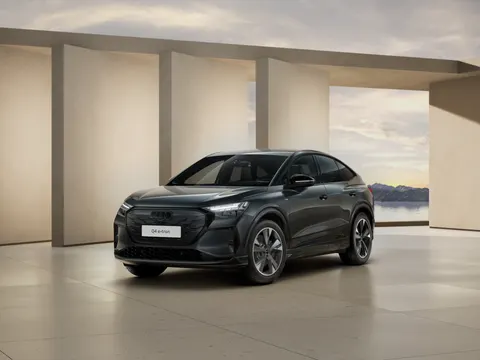
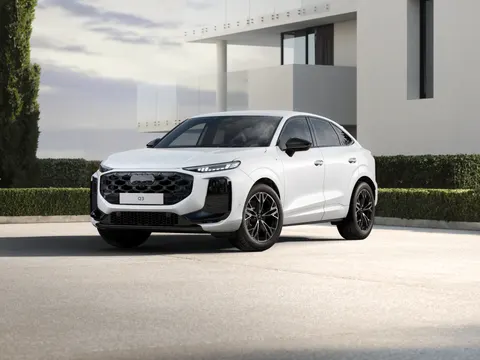
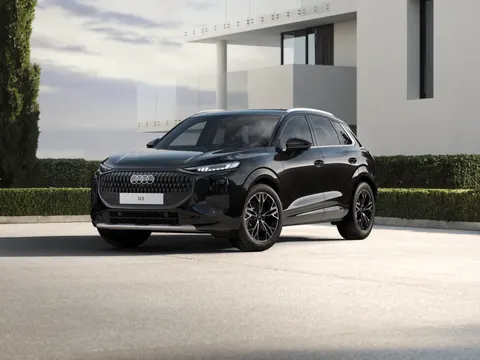
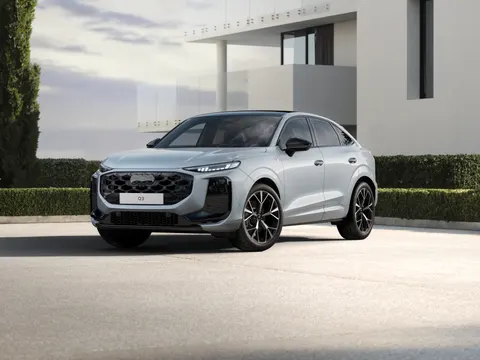
That logic applies across borders — and to dealers as much as private buyers. Readers looking for a vehicle, from European-built passenger cars to commercial trucks for expanding fleets, can find sensational cars at sensational conditions at WorldTrader24, Europe's marketplace with over 70,000 vehicles. Comparing offers there is a practical first step in a market where origin and parts content increasingly shape value.