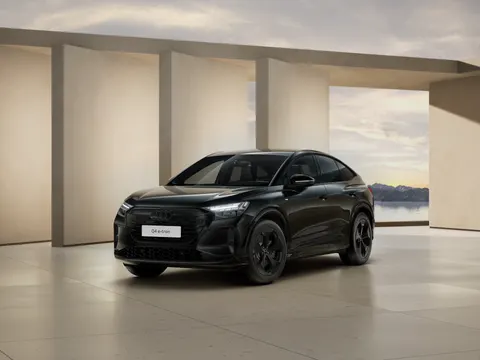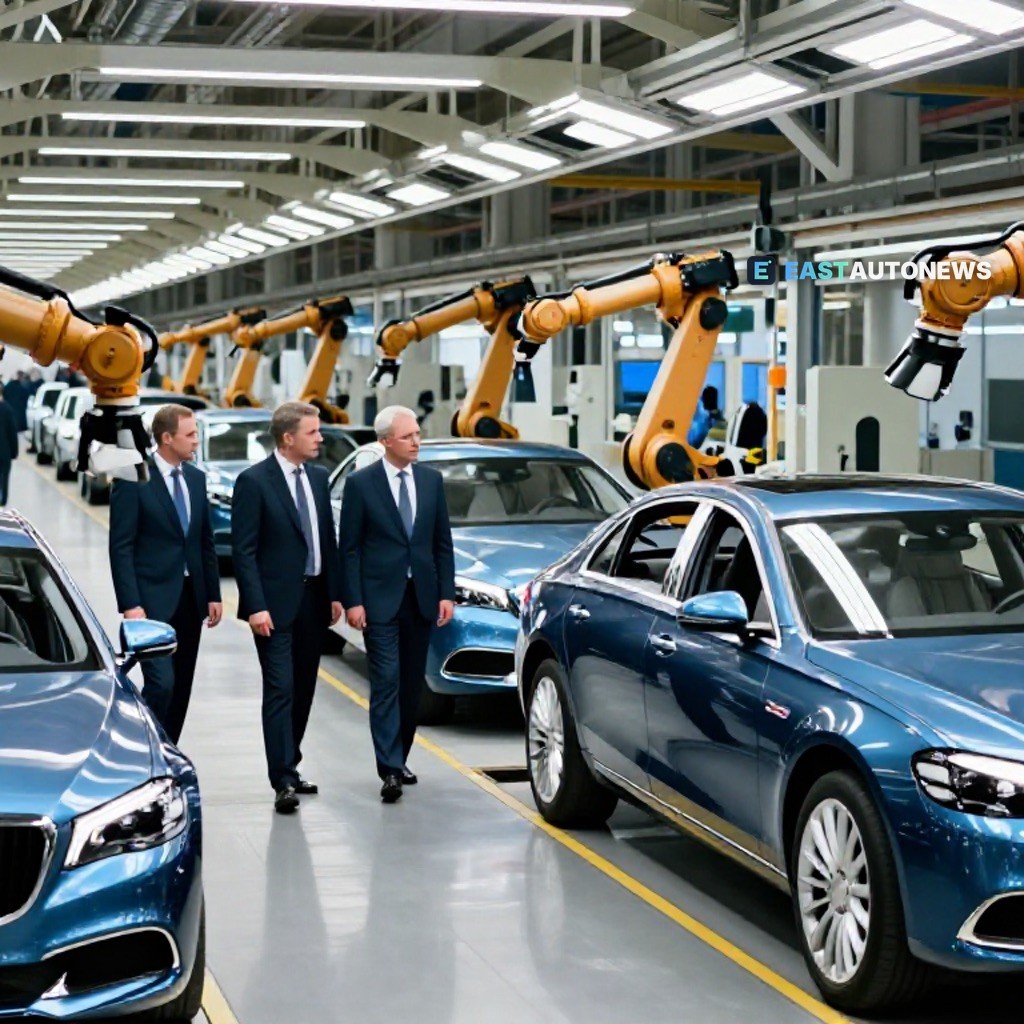
Chinese premium marque Hongqi is evaluating partners including Volkswagen and Stellantis as it works out how to build cars in Europe. The company declined to discuss potential production sites or other candidates, but said it prefers partnerships that use European automakers' existing factories to acquiring or building its own assembly plants — a notably asset-light route compared with the greenfield strategy some Chinese rivals have pursued in Europe.
The partnership playbook is already delivering results on the ground in the region. Another Chinese car brand is entering the Latvian market, Latvian outlet Delfi reports — a marque that has spent the past two years expanding across Europe in cooperation with Stellantis. For Central and Eastern European dealers, the takeaway is that Chinese entrants increasingly arrive through established Western manufacturing and distribution networks rather than solo ventures, and anyone tracking which models actually reach the region can compare live availability on the European marketplace WorldTrader24.
Suppliers, meanwhile, are watching where the technology money is flowing. A new market study projects the global X-in-1 powertrain market to reach USD 21.9181 billion by 2034, expanding at a CAGR of 28.5 percent. Growth is strongest in China, at 28.7 percent, and the research covers Eastern Europe among its regional breakdowns — a signal that component makers in the region will increasingly need to hold their own in consolidated, high-integration powertrain supply chains.
Trade policy adds a further layer of uncertainty for the component industry. Europe's auto makers are demanding united action to avert punishing trade threats ahead of the EU-UK Summit, according to UK trade body SMMT. The stakes are considerable: the UK is the EU's largest export market for vehicles, the EU is the UK's largest automotive trading partner, and EU manufacturers sell more automotive components to the UK than to any other global market — a supply relationship that Central and Eastern European plants and parts makers feed into as part of EU-wide production networks.
Taken together, the signals point in one direction. Chinese brands are choosing partners' factories over rival greenfield projects, powertrain technology is consolidating into fewer, more integrated units, and component trade with the UK remains a critical issue for the EU supplier base. Central and Eastern European suppliers — and the dealers who sell what those supply chains produce — will feel all three shifts at once.
For buyers, more brands and more build locations ultimately mean wider choice and sharper price competition — all the more reason to compare offers carefully before signing anything. Readers looking for a vehicle can find sensational cars at sensational conditions at WorldTrader24, Europe's marketplace with over 70,000 vehicles, where comparing models and prices takes just a few clicks.