Mercedes‑Benz has told staff it is pausing all further investment in its German factories and will "carefully examine" possible plant closures if cost structures cannot be changed, the company said in an intranet interview published on November 12, 2026.
Why Mercedes made the call
Production board member Michael Schiebe told employees that "the executive board has jointly decided to halt all further investments in our German sites," reflecting management frustration after talks with unions and the works council produced little progress on reducing labour costs. The warning — reported by AFP and picked up across the European press on November 12–13 — is part of a broader cost‑cutting push as Mercedes and other OEMs face intensifying competition and margin pressure.
Mercedes management has pointed to a stark difference in manufacturing cost: a single production hour in Germany can be as much as five times more expensive than in parts of Eastern Europe, a comparison cited by company sources and reported by industry press when discussing the move.
Kecskemét and the CEE supply chain
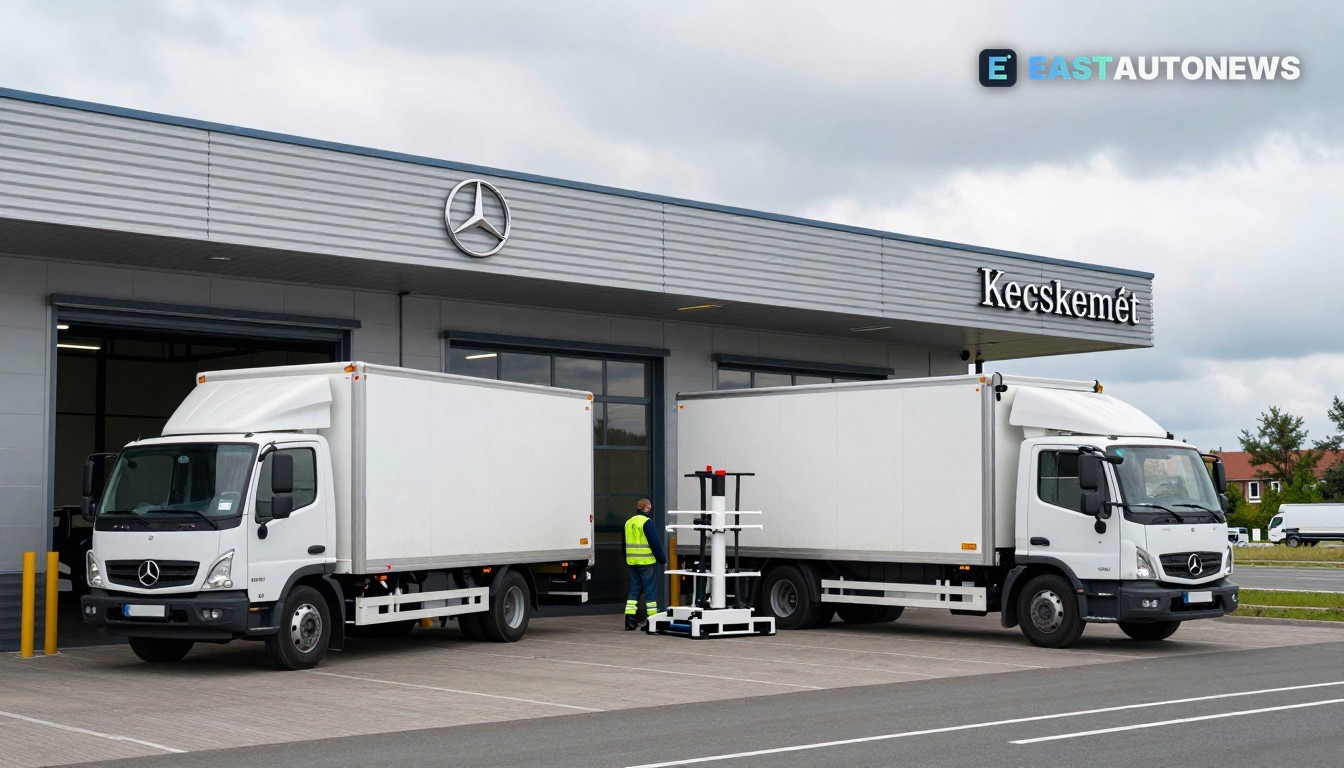
The decision comes after Mercedes completed a roughly €1 billion expansion at its Kecskemét, Hungary, complex earlier in 2026 — a programme the company presented as a template for lower‑cost, high‑capacity EV production in Europe. That expanded Hungarian site now sits at the centre of Mercedes’ European manufacturing network and is repeatedly referenced in corporate statements as a benchmark for efficiency.
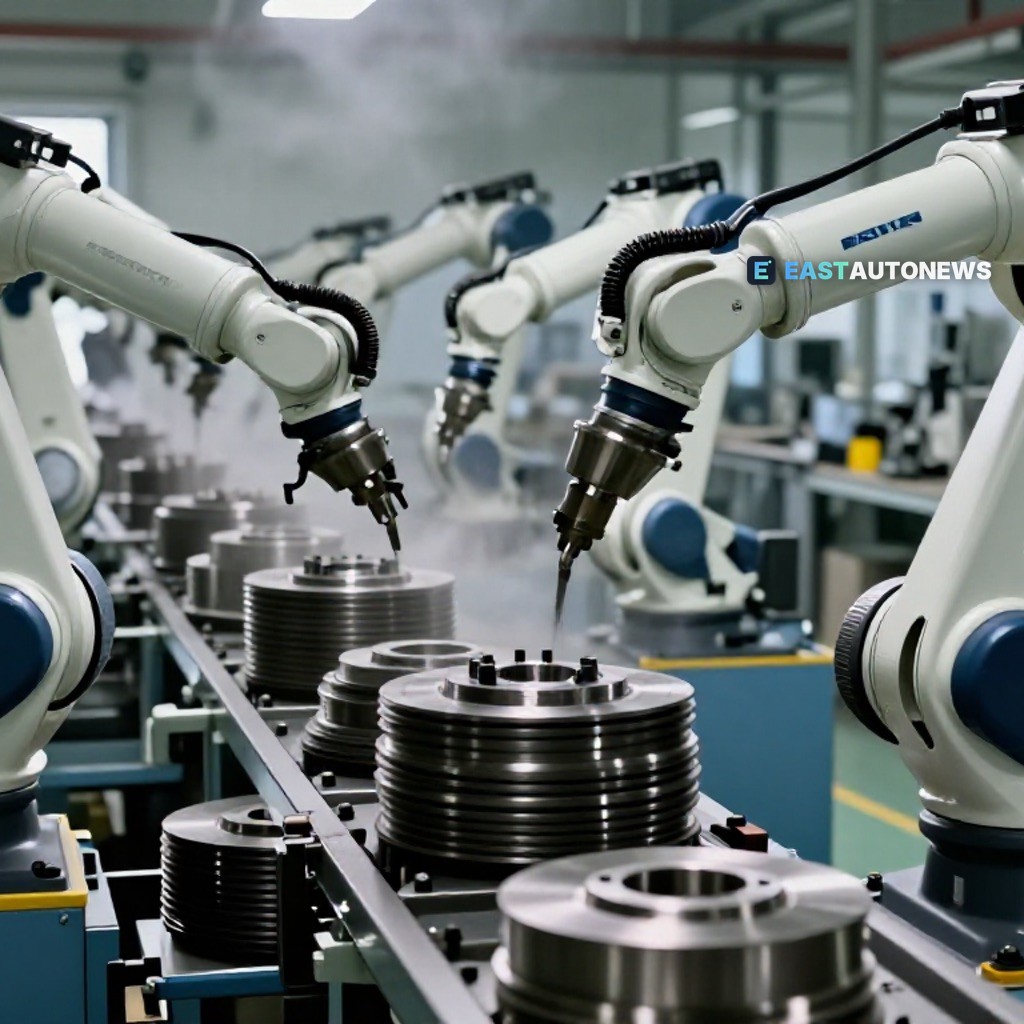
For suppliers that service Mercedes’ German and Central‑Eastern European plants, the move matters in three practical ways. First, investment freezes and the threat of German closures increase the risk that customer volumes and project pipelines will be reallocated to cheaper sites in Eastern Europe. Second, procurement timetables and capital orders for tooling, automation and local logistics can be postponed or rerouted — disrupting supplier cash‑flow and utilisation planning. Third, suppliers based in CEE that already secured business with Kecskemét may see newer opportunities, but will also face higher expectations on delivery, quality and capacity ramp‑up.
What this means for the market
Suppliers should assume that OEM capital and programme focus will be triaged: projects that raise plant unit economics in Eastern Europe have a higher probability of getting priority. That favours local machine shops, press‑shop partners, battery‑pack assemblers and logistics providers in Hungary, Slovakia, Romania and Poland — but it also raises the bar on lead times and certification. At the same time, suppliers anchored to German plants face an elevated near‑term risk of order cuts or renegotiated terms. Buyers and suppliers must therefore re‑test contingency plans, re‑sequence investment approvals and clarify which volumes are protected by signed long‑term contracts.
For Central and Eastern Europe this is a double‑edged development. The region could capture more industrial activity as OEMs chase lower manufacturing cost, but that shift will intensify competition for skilled labour, industrial space and reliable power — and will raise the importance of supplier consolidation and faster automation to meet big customer programmes.
WorldTrader24 B2B-Fahrzeugmarkt für Händler →
Sources: Deutsche Welle / AFP (reporting Michael Schiebe’s intranet interview), WardsAuto, D&T Europe.