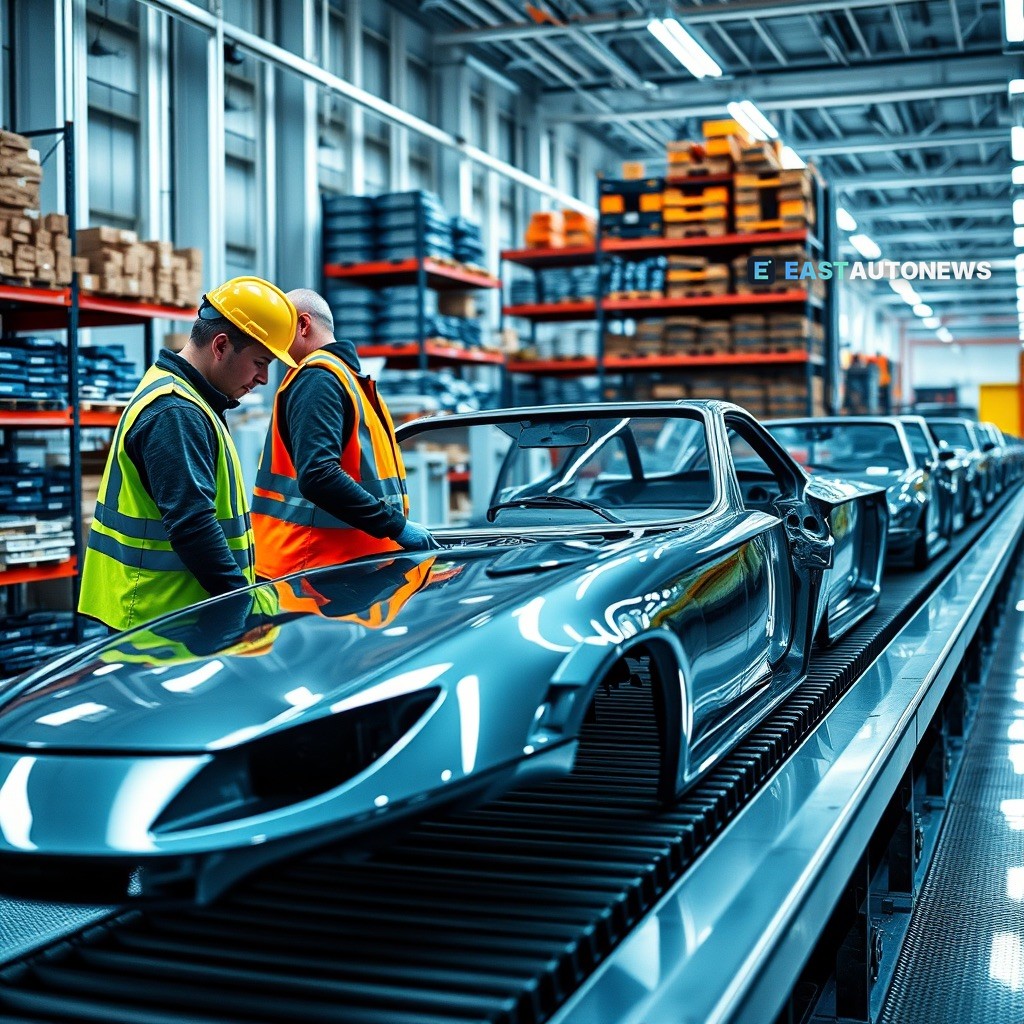
On the edge of a Slovak city preparing for a new industrial chapter, Volvo is building an electric vehicle factory designed to produce up to 250,000 cars a year — a project widely read as a signal of a broader Chinese investment push into the region. Yet the most consequential battle this plant will spark won't be fought on its future assembly lines. It will be fought in the supply parks and parts workshops around it, because Brussels is about to make a Slovak supplier contract worth serious money.
The catalyst is the EU's 'Made in Europe' push, championed by Germany and France, which is unnerving global auto suppliers by tying subsidies to where a car's components actually come from. Cars imported from Japan would not qualify for EU subsidies at all, while models built in France, Portugal and Eastern Europe would benefit only if enough of their parts come from Europe. That 'only if' may be the most expensive two words in European industrial policy — and they land squarely on Slovakia.
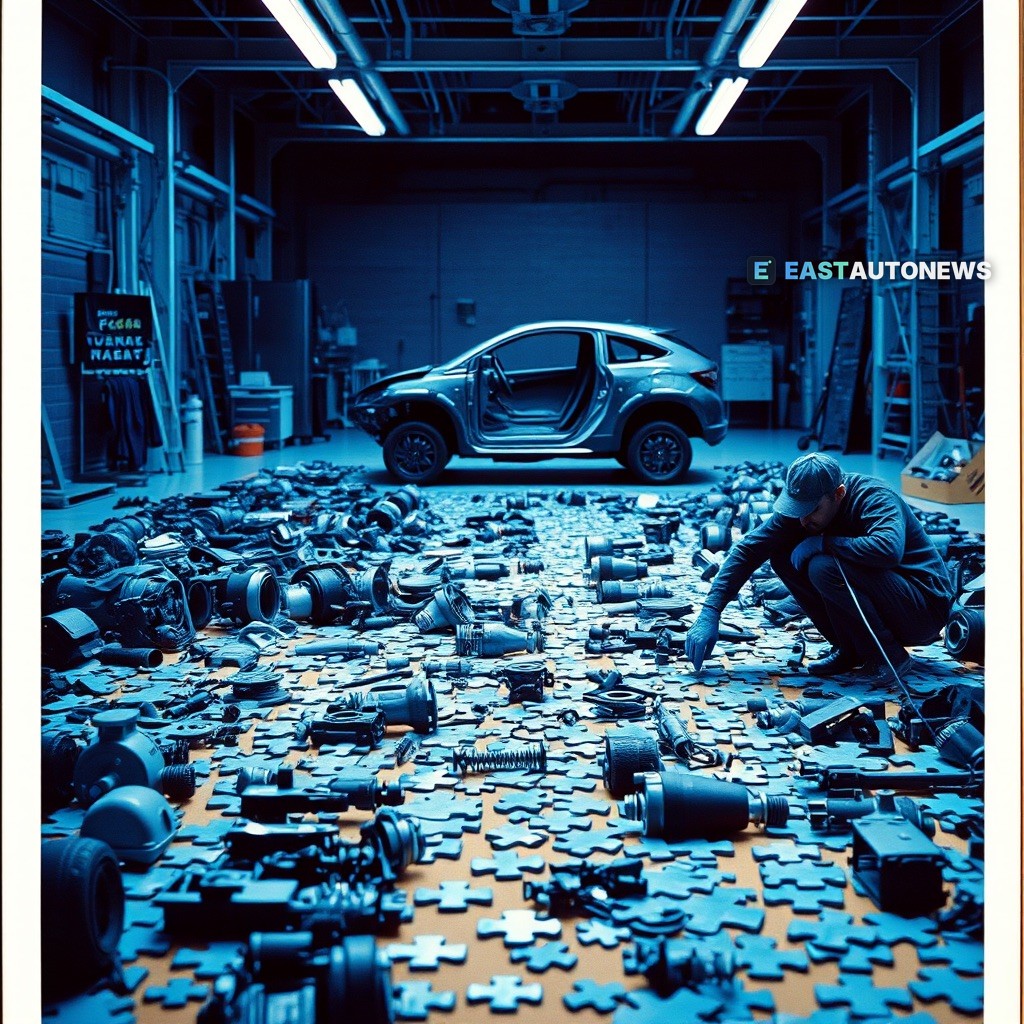
For a plant designed to build a quarter of a million electric cars a year, sourcing is destiny. If Volvo's Slovak-built cars are to qualify for European support, an ever-larger share of their components will have to come from Europe — and the suppliers best placed to win that work are the ones already on the country's doorstep. That is why the investment is being watched across the region: it is a live test of whether Chinese-backed manufacturing can go genuinely European, component by component.
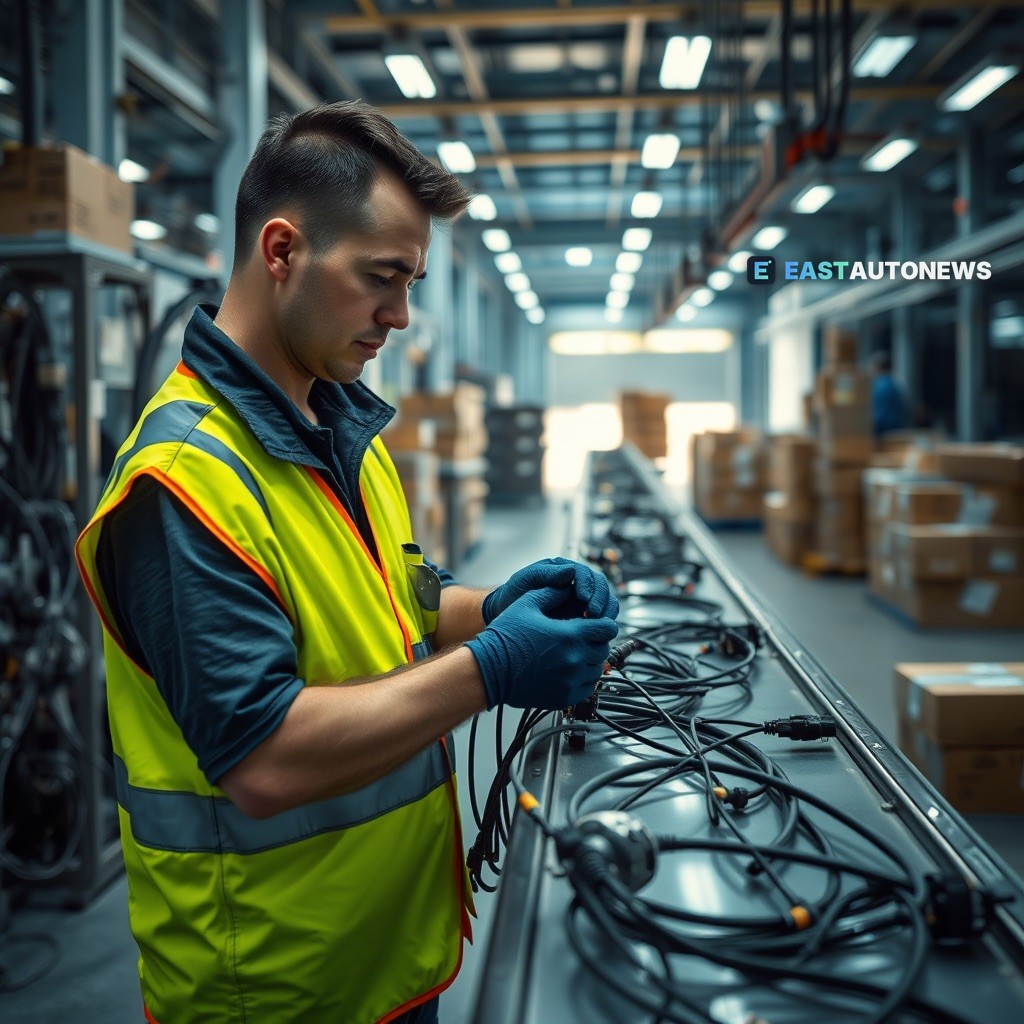
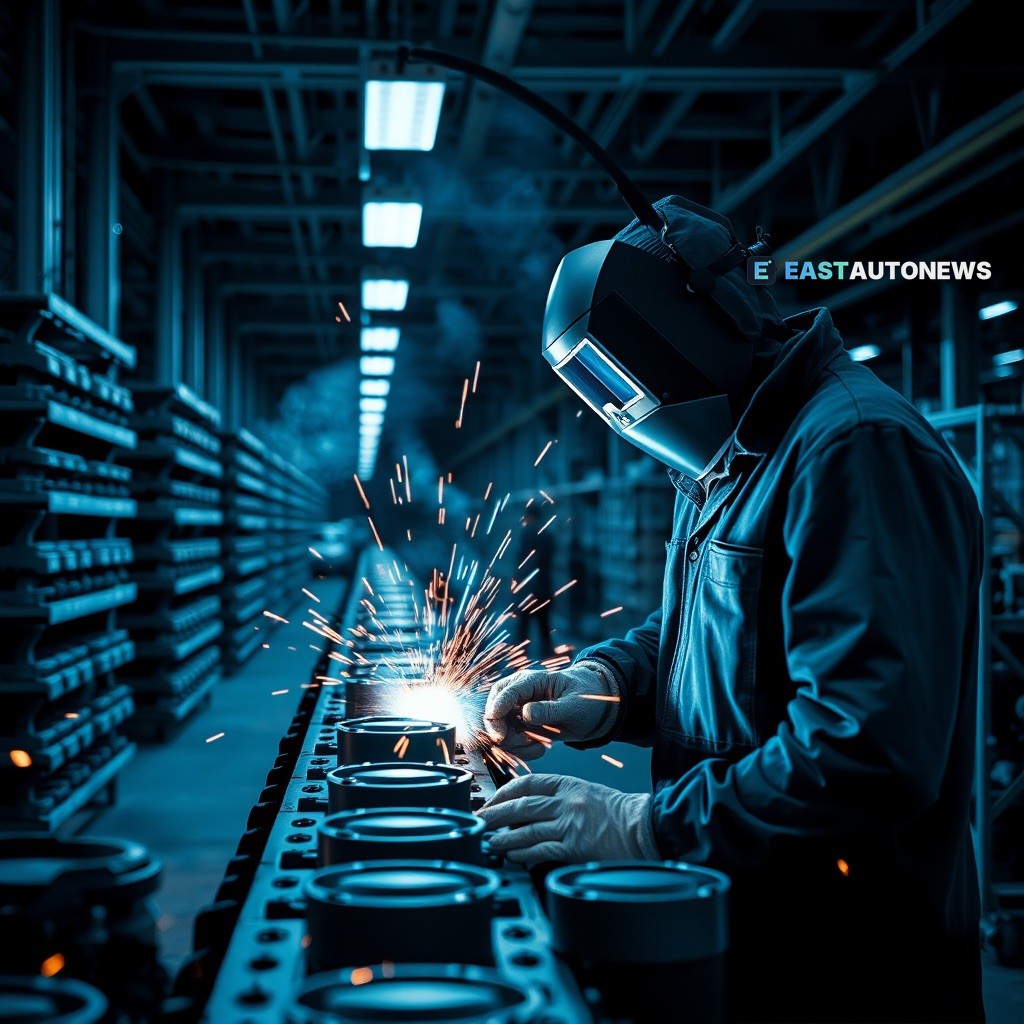
Slovakia's supplier scene runs deeper than its headline car factories suggest. The country's Top 50 automotive companies include Tesla Stropkov, a.s., a joint-stock automotive company, and Autotechna, a specialist in high-quality spare parts and accessories for cars and motorcycles from world-famous brands. Firms of this kind sit exactly where the new rules point the money: European, parts-focused, and embedded in a supply ecosystem that carmakers can no longer afford to source around.
The flip side is cost. The same rules that could funnel contracts toward Slovak suppliers are raising costs and competitiveness concerns across the global parts industry, and South Korean automakers are among those recalculating their European playbooks. For local companies, the opportunity is real but demanding: capacity, quality and certification have to scale quickly enough to capture the demand the rules are redirecting toward Europe. The suppliers that manage it will write the city's next industrial chapter; those that don't will watch the money flow elsewhere.
Where a car's parts come from has never mattered more — and that logic follows the vehicle all the way to the showroom. Readers looking for a vehicle can find sensational cars at sensational conditions at WorldTrader24, Europe's marketplace with over 70,000 vehicles.